Tier List Maker: Create Custom Rankings Easily Online
Introduction
A tier list maker has become one of the most popular online tools for organizing opinions, comparing options, and creating visually appealing rankings. From gaming communities and anime fans to businesses and educators, people across different industries use tier lists to categorize items based on quality, performance, popularity, or personal preference. The simple drag-and-drop format makes it easy for anyone to create rankings that are both informative and entertaining.
The popularity of tier lists has grown rapidly due to social media platforms, video-sharing websites, and online communities. Content creators frequently use tier list templates to rank video game characters, movies, television shows, sports teams, food brands, technology products, and much more. These rankings often generate discussion and engagement because audiences enjoy comparing their own opinions with those of others. As a result, tier lists have become a major part of internet culture and digital content creation.
Today, modern tier list maker tools offer advanced customization options, image uploads, collaborative features, and sharing capabilities. Whether you are a gamer looking to rank characters, a marketer evaluating products, or a teacher encouraging classroom participation, a tier list creator can help present information in a clear and engaging format. This guide explores everything you need to know about tier list makers, their benefits, features, applications, and future potential.
What Is a Tier List Maker?
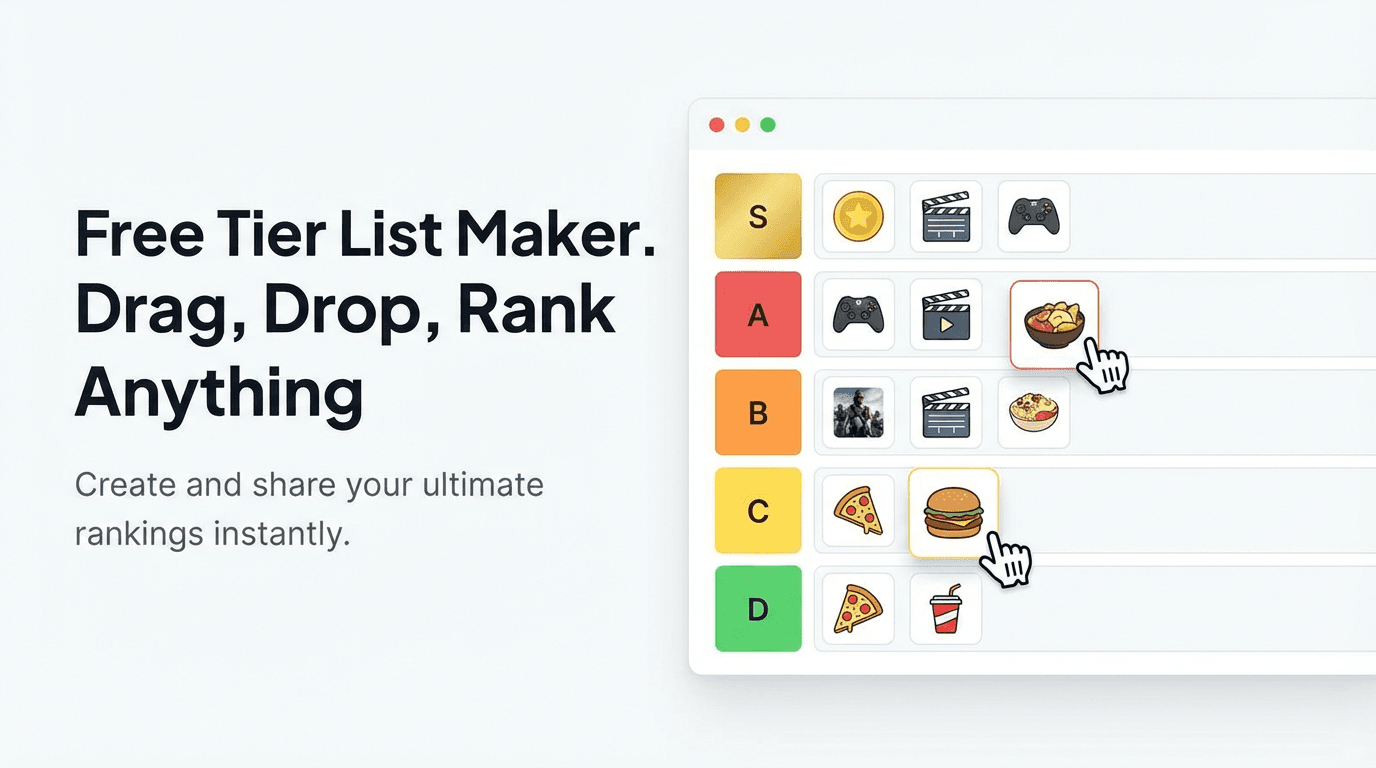
A tier list maker is an online application designed to help users organize items into ranked categories known as tiers. The traditional format places the highest-ranked items in S Tier, followed by A Tier, B Tier, C Tier, D Tier, and additional levels depending on the creator’s preferences. This structure allows users to quickly visualize which items are considered the best and which are less favorable.
The concept of tier rankings originated primarily within gaming communities. Players wanted a simple way to compare characters, weapons, abilities, and strategies. Over time, the format expanded beyond gaming and became popular across many forms of entertainment and professional fields. Today, people create rankings for movies, television series, books, smartphones, restaurants, sports players, and countless other subjects.
Modern tier list creators simplify the ranking process by providing customizable templates and drag-and-drop functionality. Users can upload images, rearrange items, customize categories, and share completed rankings with audiences worldwide. This combination of simplicity and flexibility has helped make tier list makers one of the internet’s most widely used visual content tools.
Why Tier Lists Are So Popular Online
One of the primary reasons tier lists have become so popular is their ability to simplify complex opinions. Rather than writing lengthy reviews, users can communicate their thoughts instantly through a visual ranking system. Viewers can understand the creator’s perspective within seconds, making tier lists highly effective for online engagement.
Social media has also contributed significantly to the rise of tier list culture. Platforms such as YouTube, TikTok, Reddit, Discord, and X frequently feature ranking discussions that encourage audience participation. When users see a tier list, they naturally compare it to their own opinions, leading to comments, debates, and content sharing.
Another factor behind their success is the universal appeal of ranking things. People enjoy comparing products, entertainment options, and experiences. Tier lists satisfy this desire by providing a structured framework for evaluation while remaining easy to understand. This combination of simplicity, entertainment, and interaction has made tier lists a lasting internet phenomenon.
Essential Features of a Good Tier List Maker
A high-quality tier list maker should offer extensive customization options. Users need the flexibility to rename tiers, modify colors, adjust layouts, and personalize the overall appearance of their rankings. Customization ensures that the tool can be adapted to different subjects and audience preferences.
Image support is another critical feature. Most modern ranking tools allow users to upload images directly or choose from built-in libraries. Visual elements improve clarity and make rankings more appealing to viewers. The ability to resize, move, and organize images efficiently contributes significantly to the user experience.
Sharing and collaboration capabilities have become increasingly important as online communities continue to grow. Many advanced tier list platforms enable multiple users to participate in ranking projects, making them valuable for teams, classrooms, gaming groups, and social media audiences seeking interactive experiences.
How Tier List Makers Improve Content Creation
Content creators constantly search for ways to increase audience engagement, and tier lists provide an effective solution. Visual rankings attract attention quickly and encourage viewers to interact with the content. This increased engagement can help creators grow their audiences and strengthen community relationships.
Tier lists also provide endless content opportunities. A creator can rank characters from a game, evaluate movie franchises, compare products, or analyze industry trends. Because rankings are inherently subjective, they often inspire viewers to share their own opinions, resulting in higher interaction rates.
Additionally, tier list content is highly shareable. Audiences frequently repost rankings, discuss controversial placements, and create response content. This organic sharing helps expand reach and visibility across multiple platforms, making tier list creators a valuable tool for modern content strategies.
Common Uses of Tier List Makers
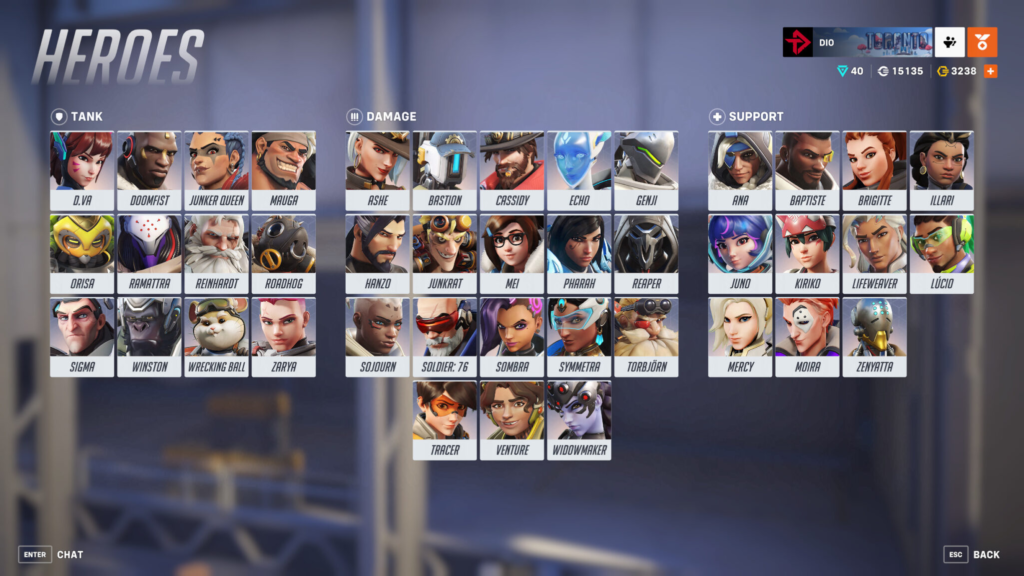
Gaming remains one of the largest categories for tier list creation. Competitive players frequently rank heroes, weapons, maps, and strategies to help others understand current game balance and meta trends. These rankings often influence player decisions and community discussions.
Entertainment enthusiasts also rely heavily on tier list makers. Fans rank movies, television shows, anime series, music albums, and books based on personal preferences or critical evaluations. Such rankings often generate significant online discussion and audience engagement.
Outside entertainment, businesses and educators have adopted tier lists for practical purposes. Companies use ranking systems to evaluate products, marketing campaigns, and customer feedback. Teachers use tier lists to encourage critical thinking and classroom participation. This versatility demonstrates the broad usefulness of ranking tools across various industries.
SEO Benefits of Tier List Content
Tier list content performs exceptionally well in search engines because users frequently search for rankings and recommendations. Keywords such as best games tier list, anime tier list, character ranking guide, and product tier list attract substantial search traffic throughout the year.
The visual nature of tier lists increases user engagement metrics such as time on page and interaction rates. Visitors often spend longer reviewing rankings and reading explanations than they would with standard informational content. Higher engagement can contribute positively to overall SEO performance.
Furthermore, tier list articles naturally incorporate related keywords and semantic phrases. Terms such as ranking chart, online tier list creator, custom ranking tool, visual comparison system, and tier ranking template can be integrated seamlessly into content, improving topical relevance and search visibility.
Best Practices for Creating Effective Tier Lists
Creating an effective tier list begins with establishing clear evaluation criteria. Whether ranking products, games, or entertainment content, users should define the factors influencing their decisions. Transparent criteria help audiences understand rankings and increase trust in the creator’s conclusions.
Context is equally important when developing rankings. A list designed for beginners may differ significantly from one intended for experts. Explaining the intended audience helps viewers interpret results correctly and reduces confusion regarding item placement.
Presentation quality also plays a major role in effectiveness. Clean layouts, readable labels, consistent image quality, and logical organization contribute to a better user experience. Professional presentation enhances credibility and increases the likelihood of social sharing and audience engagement.
Mistakes to Avoid When Using a Tier List Maker
Many users make the mistake of creating rankings without explaining their reasoning. While tier lists are subjective by nature, providing context helps audiences understand the thought process behind placements and encourages more meaningful discussion.
Another common problem is overcrowding the ranking board with too many items. Excessive content can make the list difficult to read and reduce its overall impact. Focusing on the most relevant options often results in a cleaner and more engaging final product.
Ignoring audience expectations can also limit effectiveness. Successful tier lists consider community interests, current trends, and relevant evaluation factors. Understanding what matters most to the target audience helps create rankings that generate stronger engagement and discussion.
The Future of Tier List Makers
The future of tier list makers appears extremely promising as digital content continues to evolve. Advances in artificial intelligence are expected to introduce smarter ranking suggestions, automated organization features, and personalized recommendations for users.
Interactive and collaborative functionality will likely become more advanced as online communities seek greater participation opportunities. Real-time voting systems, audience-driven rankings, and collaborative editing features could transform how tier lists are created and shared.
As social media platforms increasingly prioritize visual and interactive content, tier list makers will continue to play an important role in online communication. Their ability to combine entertainment, organization, and audience engagement ensures their relevance for years to come.
Conclusion
A tier list maker is far more than a simple ranking tool. It serves as a powerful platform for organizing information, sharing opinions, encouraging discussion, and creating highly engaging content. From gaming communities and entertainment enthusiasts to businesses and educators, tier lists offer a flexible and effective way to present complex ideas visually.
The continued growth of social media, content creation, and online communities has strengthened the importance of tier lists in digital culture. Their simplicity, accessibility, and interactive nature make them valuable for both casual users and professionals. By understanding how tier list makers work and following best practices, users can create rankings that are informative, engaging, and widely shared.
As technology advances and audience expectations evolve, tier list creators will continue to innovate with new features and capabilities. Their role in content creation, communication, and online engagement is likely to expand, making them an essential tool for anyone looking to share rankings and opinions effectively.
Leave a Comment