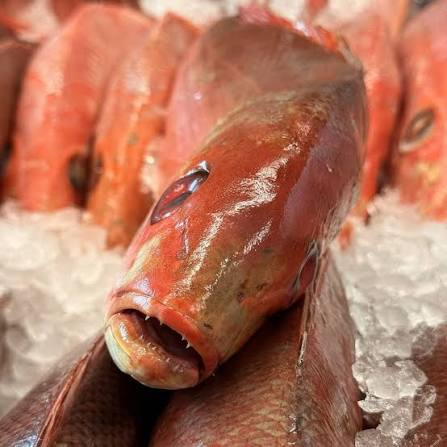

Finding sushi grade fish near me is an important step for anyone who wants to prepare restaurant-style sushi, sashimi, poke bowls, or other Japanese-inspired dishes at home. The right fish can make a significant difference in flavor, texture, appearance, and overall eating experience. However, choosing fish for raw consumption requires more than simply looking for a fresh fillet or a package labeled sushi grade. Buyers should understand where to shop, which fish varieties are commonly used, how to evaluate a seafood supplier, and what safety precautions matter before serving raw fish.
Whether you are preparing sushi for a family dinner, planning a special occasion, or experimenting with Japanese cuisine for the first time, knowing how to find a reliable seafood supplier can make the process easier. This guide explains where to look for sushi suitable fish, what questions to ask before buying, how to store it, and how to make a more informed purchasing decision.
Where Can I Find Sushi Grade Fish Near Me?
If you are searching online for sushi grade fish near me, start with specialty seafood markets, reputable fishmongers, Japanese grocery stores, and seafood suppliers that understand the requirements for raw fish preparation. Some premium supermarkets also sell fish intended for sushi or sashimi, although availability varies by location. Calling ahead can save time and help you confirm whether a particular fish is available for your recipe.
A dedicated seafood supplier may provide more information about the fish’s origin, processing history, storage conditions, and suitability for raw consumption than a general grocery store. These details are particularly important because fish that looks fresh is not automatically safe to eat raw.
Online seafood retailers are another option in areas where specialty stores are limited. Before placing an order, review the seller’s shipping procedures, cold-chain practices, sushi grade fish near me product descriptions, and delivery arrangements. Ask whether the product is specifically intended for raw consumption and how the supplier controls parasite and bacterial risks.
What Does Sushi Grade Fish Actually Mean?
The phrase sushi grade fish near me is commonly used to describe fish that a seller considers suitable for sushi or sashimi. However, in the United States, it is not an official FDA certification or a universally defined legal grade. Therefore, seeing these words on a label does not independently prove that a product is safe to eat raw.
The more important factors include the species of fish, its source, handling practices, freezing history where applicable, and temperature control throughout storage and transportation. A trustworthy seller should be able to explain these details instead of relying only on a marketing label.
When shopping for fish intended for raw consumption, ask the seller whether the product is specifically recommended for that purpose. Also ask about the supplier’s parasite-control procedures and whether any required freezing treatment has been completed. These questions can help you make a better-informed decision, although they cannot eliminate every food safety risk.
Which Types of Fish Are Commonly Used for Sushi?
Several fish varieties are popular in sushi sushi grade fish near me restaurants and home kitchens. The best choice depends on your recipe, taste preferences, budget, and the availability of fish from a supplier experienced in handling seafood for raw consumption.
Salmon
Salmon is widely recognized for its rich flavor, soft texture, and attractive orange or pink color. It is commonly used in nigiri, sashimi, sushi rolls, and rice bowls. Its relatively rich texture makes it appealing to people who are trying sushi for the first time.
However, ordinary fresh salmon should not automatically be considered safe for raw consumption. Wild and farmed salmon can have different parasite risks, and the safety of a particular product depends on its production and handling history. Purchase salmon intended for raw consumption from a knowledgeable supplier and follow appropriate food safety guidance.
Tuna
Tuna is another popular choice for sushi and sashimi. Depending on the species and cut, it can have a mild, clean taste or a richer flavor. Lean tuna is often used in traditional sushi, while fattier cuts are valued for their softer texture and richer mouthfeel.
When buying tuna, ask about the species, source, storage temperature, and intended use. Some tuna products may also present risks associated with histamine formation if they have not been properly temperature controlled. Histamine cannot reliably be removed by cooking or freezing, so careful handling throughout the supply chain is essential.
Yellowtail
Yellowtail is frequently used in Japanese sushi grade fish near me restaurants and is appreciated for its smooth texture and delicate flavor. It can be served as sashimi or used in nigiri and specialty rolls. sushi grade fish near me Its taste and fat content vary according to the species and the cut being sold.
If yellowtail is your preferred choice, confirm that the supplier can provide fish intended for raw preparation. Do not assume that every yellowtail fillet sold at a fish counter is appropriate for sushi.
Sea Bream
Sea bream is used in several Japanese seafood preparations and is often appreciated for its mild flavor and relatively firm texture. It can be suitable for delicate nigiri or sashimi dishes when sourced and handled appropriately.
Before purchasing sea bream for raw consumption, ask the fishmonger about the species, origin, processing, and any required parasite-control treatment. Proper identification and handling are important because different fish species can have different safety considerations.
Other Seafood Options
Some sushi dishes use other fish or seafood, including mackerel, shrimp, scallops, and various locally available marine fish. However, suitability for raw consumption depends on the specific species and how it has been processed.
Certain seafood products are traditionally cooked, sushi grade fish near me cured, or otherwise treated before serving. Do not assume that a product commonly found in sushi restaurants can safely be eaten raw in every form. Ask your supplier for preparation recommendations and follow established food safety advice.
How to Choose a Reliable Sushi Fish Supplier
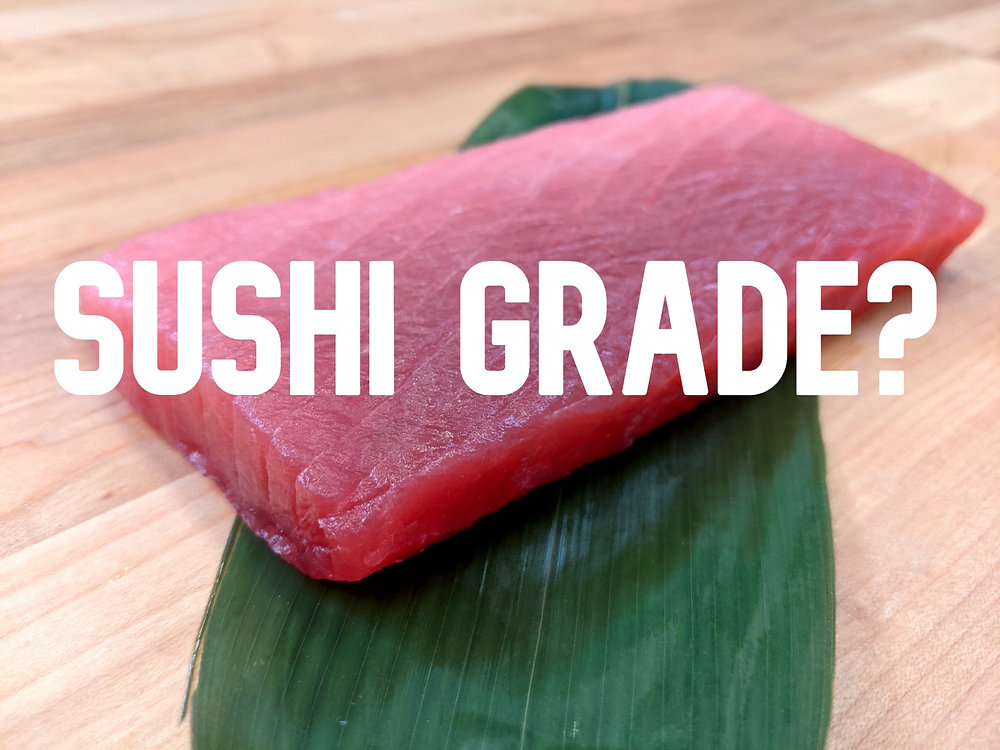
Choosing the right supplier is one of the most important parts of buying fish for homemade sushi. A reputable seller should be transparent about product sourcing, refrigeration, handling, and intended use.
Start by asking whether the fish is specifically intended for raw consumption. Then ask how it has been stored, whether it has undergone any required parasite-control treatment, and whether the seller can provide information about its origin. Clear answers are a positive sign, although they should not replace your own food safety precautions.
You should also examine the store’s general cleanliness and refrigeration practices. Fish should be kept properly chilled, and staff should handle raw seafood using clean equipment and suitable procedures. Avoid products that have been left at room temperature or displayed in conditions that appear poorly controlled.
Customer reviews may help you compare local suppliers, but positive reviews alone do not establish that fish is safe to eat raw. Look for businesses that provide useful product information, maintain appropriate storage conditions, and answer specific questions about raw seafood.
How to Check Fish Freshness Before Buying
Freshness is important for flavor and quality, but it is not a guarantee of safety. Fish can look and smell normal while still containing harmful microorganisms or parasites. sushi grade fish near me Therefore, check both the product’s condition and the supplier’s handling procedures.
Fresh fish should generally have a mild, clean smell rather than a strong fishy, sour, rancid, or ammonia-like odor. The flesh should look reasonably firm and should not appear excessively dried out, mushy, or discolored. For whole fish, clear eyes and firm flesh can provide additional indications of quality. sushi grade fish near me
Temperature is equally important. Choose seafood that is properly refrigerated or displayed on a sufficient bed of fresh ice. For frozen fish, avoid damaged packages, signs of thawing and refreezing, or products that are not fully frozen when they should be.
Never rely on appearance alone to determine whether fish is suitable for sushi. Proper sourcing, parasite controls, sanitation, and temperature management are essential considerations. The U.S. Food and Drug Administration provides additional guidance on selecting and handling seafood safely.
Can You Buy Sushi Grade Fish at a Regular Grocery Store?
Yes, some regular grocery stores and premium supermarkets carry fish intended for sushi or sashimi. However, not every grocery store offers this type of product, and availability depends on local demand, suppliers, and refrigeration facilities.
If you are shopping at a supermarket, sushi grade fish near me ask the seafood department whether it sells fish specifically intended to be eaten raw. Request information about the product’s handling and parasite-control history rather than relying on a general freshness claim. If staff cannot answer your questions, consider contacting a specialty seafood supplier instead.
Frozen seafood can also be an option. In fact, certain freezing treatments are used to control parasites in fish intended for raw consumption. However, ordinary home freezers may not reach the temperatures or maintain the conditions required for these treatments. Freezing also does not eliminate every bacterial hazard.
For these reasons, a properly handled product from a knowledgeable supplier is a better choice than an ordinary fillet selected solely because it looks fresh.
How Much Does Sushi Grade Fish Cost?
The price of sushi suitable fish varies according to the species, sushi grade fish near me cut, source, season, processing method, and location. Premium tuna cuts and specialty seafood may cost more than commonly available fish. Salmon prices can also vary considerably depending on whether it is wild-caught or farmed, fresh or frozen, and sold as a whole side or individual portion.
Buying a larger quantity may sometimes reduce the cost per portion, but only purchase what you can store and use appropriately. Raw fish requires careful temperature control, so buying more than you need can create unnecessary waste and increase handling challenges.
When comparing prices, consider the total value rather than the lowest advertised cost. A supplier who provides clear sourcing information, suitable packaging, reliable refrigeration, and appropriate handling may offer greater value than a cheaper product with an uncertain history.
For an accurate comparison, contact several local suppliers and ask for the price per pound or kilogram, the available cuts, and whether the fish is intended for raw consumption. Prices and stock can change frequently, so confirm the details before visiting or ordering.
Should You Buy Fresh or Frozen Fish for Sushi?
Both fresh and frozen fish can be used in sushi preparations, provided the product is appropriate for the intended use and has been handled correctly. sushi grade fish near me The word fresh does not automatically mean safer, and frozen does not necessarily mean lower quality.
Commercial freezing can be an important method of controlling parasites in fish intended to be eaten raw. Certain fish require specific time and temperature combinations under applicable food safety guidance. Some exemptions and alternative controls may apply depending on the species and production method, so the supplier should be able to explain the process relevant to the product.
Fresh fish may appeal to buyers who prefer a particular texture or flavor, but it still requires careful sourcing and storage. Frozen fish can offer convenience and more predictable availability, particularly when seasonal supplies fluctuate.
If you purchase frozen fish, follow the supplier’s thawing instructions. Thaw it in the refrigerator rather than leaving it on the counter, and keep it chilled until preparation. Avoid refreezing or storing the product in ways that conflict with the supplier’s instructions.
How to Store Sushi Fish Safely at Home
Proper storage is essential after bringing seafood home. sushi grade fish near me Keep fish cold during transportation and refrigerate or freeze it promptly. The FDA advises keeping refrigerated seafood at 40°F (4°C) or below and using seafood within two days of purchase; otherwise, freeze it appropriately.
For fish intended for raw consumption, follow the supplier’s storage instructions carefully. Keep it in a clean, covered container and prevent juices from contacting other foods. Store it separately from ready-to-eat items when necessary to reduce the risk of cross-contamination.
Wash your hands before and after handling raw fish. Clean cutting boards, knives, countertops, and other equipment thoroughly. Using separate preparation equipment for raw seafood and ready-to-eat ingredients can further reduce contamination risks.
Do not leave raw fish at room temperature for extended periods. Perishable seafood should generally not remain unrefrigerated for more than two hours, or more than one hour when the surrounding temperature exceeds 90°F (32°C). When in doubt about storage history or spoilage, discard the fish rather than tasting it to check whether it is safe.
Is Sushi Grade Fish Safe to Eat Raw?
No raw fish is completely risk-free. Eating uncooked seafood can expose people to parasites and harmful microorganisms, even when the fish appears fresh and has been handled carefully. Appropriate freezing can reduce certain parasite risks, but it does not destroy every harmful germ.
The safest option is to cook seafood thoroughly. The FDA recommends cooking finfish to an internal temperature of 145°F (63°C). People who are pregnant, young children, older adults, and individuals with weakened immune systems should avoid raw or undercooked fish because they face a greater risk of serious foodborne illness.
If you choose to prepare sushi at home, sushi grade fish near me buy from a supplier experienced in providing fish for raw consumption, follow appropriate storage and sanitation practices, and understand that the term sushi grade is not a safety certification.
Food safety should always take priority over appearance, price, or convenience.
Where to Buy Sushi Grade Fish Online
Online seafood retailers can be useful when local shops do not carry the fish you want. Many suppliers offer chilled or frozen seafood, different portion sizes, and delivery services. However, shipping raw seafood requires careful temperature management, so it is important to evaluate the seller before placing an order.
Review the product description to determine whether the fish is specifically intended for raw consumption. Check the delivery area, estimated arrival time, packaging details, and instructions for receiving the shipment. If the seller does not explain how the seafood is kept cold during transport, contact customer support before buying.
When the order arrives, inspect the packaging and temperature condition immediately. Frozen products should remain frozen as appropriate, while chilled products should arrive properly cold. If the shipment appears to have been temperature-abused or the product’s condition is questionable, do not eat it raw.
Compare online suppliers based on transparency, sushi grade fish near me handling procedures, product selection, and delivery reliability instead of choosing solely on price.
Tips for Finding the Best Sushi Fish Near Your Location
A more focused local search can help you find suitable suppliers faster. Instead of searching only for sushi grade fish near me, try related phrases such as sushi fish market near me, sashimi grade salmon near me, raw tuna for sushi near me, or seafood delivery near me.
These searches may reveal specialty markets, fishmongers, and online suppliers that do not use the exact phrase sushi grade in their business descriptions. Once you find potential sellers, call ahead to verify stock and ask whether the fish is intended for raw preparation.
Consider the distance between the store and your home, particularly when buying chilled seafood. A nearby supplier can make it easier to transport fish quickly and maintain the cold chain. If you order delivery, check the seller’s packaging and arrival instructions.
It is also worth asking whether the supplier offers smaller portions, pre-cut fillets, or advice for beginners. These options can make home sushi preparation more convenient without requiring you to purchase a large quantity of seafood.
Frequently Asked Questions About Sushi Grade Fish Near Me
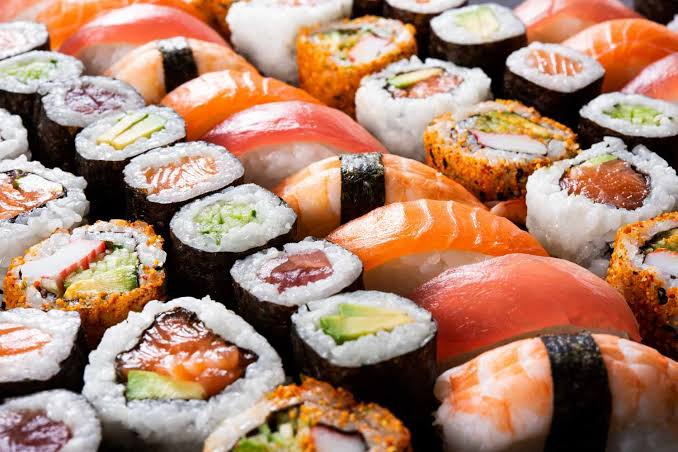
What is the best place to buy sushi grade fish near me?
Specialty seafood markets, experienced fishmongers, and reputable suppliers that provide fish intended for raw consumption are good places to start. Some supermarkets and online retailers may also offer suitable products. Confirm sourcing, handling, and parasite-control information before buying.
Can I use supermarket salmon for homemade sushi?
Not every supermarket salmon product sushi grade fish near me is suitable for raw consumption. Ask the seafood department whether the specific product is intended to be eaten raw and how relevant safety requirements have been addressed. If the store cannot provide clear information, choose a more knowledgeable supplier or cook the fish thoroughly.
Is sushi grade fish the same as sashimi grade fish?
The terms are often used similarly in retail settings, but neither is a universally recognized official FDA grade in the United States. They should not be treated as proof that fish is free from parasites or bacteria. Sourcing and proper handling remain essential.
Does freezing make fish safe for sushi?
Certain commercial freezing treatments can destroy parasites when the required time and temperature conditions are met. However, freezing does not eliminate all sushi grade fish near me harmful microorganisms or every seafood hazard. Safe sourcing, sanitation, and temperature control are also necessary.
Which fish is best for beginner sushi makers?
Salmon and tuna are popular choices because they are widely used in sushi and have familiar flavors. However, the best option is fish that comes from a reliable supplier and is specifically intended for raw preparation. Beginners should prioritize safety and clear handling information over choosing a particular species.
Can I order sushi fish for home delivery?
Yes, some seafood suppliers offer online ordering and delivery. Before purchasing, confirm that the product is intended for raw consumption, check how it is packed and transported, and follow the seller’s storage instructions immediately after delivery.
How can I tell if raw fish has gone bad?
Warning signs include a sour, rancid, or ammonia-like odor, unusual discoloration, or a mushy texture. However, harmful microorganisms may be present without obvious signs of spoilage. If the fish has an uncertain storage history or you suspect improper handling, do not eat it raw.
Is sushi grade fish expensive?
Prices vary by species, cut, season, supplier, sushi grade fish near me and location. Compare prices per pound or kilogram and consider product quality, handling, packaging, and delivery. A lower price should never take priority over reliable food safety practices.
Final Thoughts
Finding sushi grade fish near me becomes easier when you know where to look and which questions to ask. Specialty seafood markets, knowledgeable fishmongers, selected supermarkets, and reputable online retailers can all be useful starting points.
Before purchasing, verify that the specific product is intended for raw consumption, ask about its source and handling history, and make sure you can maintain the correct storage conditions at home. Remember that sushi grade is not an official guarantee of safety, and even carefully sourced raw fish carries some risk.
With informed shopping, proper handling, and realistic expectations, you can make better seafood choices for homemade sushi and sashimi while keeping food safety at the center of your preparation process.