Sarah Adams CIA: Former Officer and Benghazi Expert

The world of intelligence operations is usually hidden from public view. Most intelligence officers spend their careers working behind the scenes, protecting classified information and avoiding media attention. However, in recent years, former CIA targeting officer Sarah Adams has become one of the most discussed names in national security conversations. sarah adams cia Her growing public presence through podcasts, interviews, and geopolitical discussions has generated significant interest among people searching for information about counterterrorism, the CIA, Afghanistan, Benghazi, and modern intelligence operations.
Searches for terms like “Sarah Adams CIA,” “Sarah Adams Benghazi,” “former CIA targeting officer,” and “Sarah Adams Afghanistan” have increased because many people want to understand her background, expertise, and controversial warnings about global terrorism. Adams is widely recognized for discussing intelligence failures, terrorist networks, Taliban operations, ISIS-K threats, and the changing nature of modern counterterrorism strategy. Her commentary has positioned her as a prominent voice in online national security discussions at a time when global instability and geopolitical tensions remain major concerns.
Who Is Sarah Adams?
Sarah Adams is best known as a former CIA targeting officer who specialized in counterterrorism intelligence and terrorist network analysis. A targeting officer within the Central Intelligence Agency typically works on identifying, locating, tracking, and analyzing high-priority threats such as terrorist leaders, extremist facilitators, and militant organizations. These professionals often combine intelligence data from multiple sources to help government agencies understand how dangerous networks operate across international borders.
According to various public interviews and national security podcasts, Adams worked extensively on terrorism-related intelligence during critical years of the Global War on Terror. Her reported experience includes operational analysis involving Afghanistan, Pakistan, Libya, and broader Middle Eastern conflict zones. Much of her expertise appears connected to organizations such as Al-Qaeda, ISIS, Taliban factions, and other extremist groups operating across unstable regions.
Public interest in Sarah Adams increased significantly because she later became associated with investigations related to the 2012 Benghazi attacks in Libya. Her role in analyzing militant groups connected to the attack helped establish her reputation within national security circles. Since leaving government service, she has continued participating in public discussions about terrorism threats, intelligence failures, border security concerns, and geopolitical instability. sarah adams cia
Understanding the Role of a CIA Targeting Officer
To understand Sarah Adams’ career, it is important to understand what a CIA targeting officer actually does. Targeting officers are not usually traditional spies portrayed in Hollywood films. Instead, they are intelligence specialists who focus on analyzing data, identifying operational patterns, and locating threats that may pose dangers to national security. sarah adams cia Their work often involves combining information from surveillance systems, communications intercepts, human intelligence sources, financial records, travel data, and military reporting.
Targeting officers play a central role in counterterrorism operations because terrorist networks often operate secretly across multiple countries. Intelligence agencies rely on analysts and targeting experts to identify connections between individuals, organizations, financing systems, and operational planning. A targeting officer may help determine where a terrorist leader is hiding, how extremist groups communicate, or which routes are being used for recruitment and movement. sarah adams cia
Sarah Adams has explained in several interviews that targeting work requires patience, analytical thinking, regional knowledge, and deep understanding of extremist behavior. Counterterrorism targeting is not only about tracking individuals but also understanding how organizations adapt, survive, sarah adams cia and evolve. Terrorist groups constantly change communication methods, financial systems, and operational structures to avoid detection, making intelligence work extremely complex.
The CIA’s Counterterrorism Center became especially important after the September 11 attacks, when the United States dramatically expanded global counterterrorism operations. Officers working in this environment were responsible for monitoring some of the world’s most dangerous extremist organizations. Adams’ public commentary suggests that her experience inside these operations shaped many of her later concerns regarding Afghanistan, terrorism resurgence, and intelligence gaps.
Sarah Adams and the Benghazi Investigation
One of the defining moments associated with Sarah Adams’ public career is her connection to the Benghazi investigations. The 2012 Benghazi attack remains one of the most debated national security incidents in modern American history. During the assault on U.S. diplomatic facilities in Benghazi, Libya, four Americans were killed, including Ambassador Christopher Stevens. The attack immediately raised serious questions about intelligence failures, security preparedness, and militant activity in post-Gaddafi Libya.
According to interviews and reports, Adams later worked as a senior advisor connected to congressional investigations into the Benghazi attacks. Her focus reportedly involved analyzing extremist groups responsible for the assault and identifying how terrorist networks coordinated operations in Libya. This investigative work became a major part of her professional identity and helped increase her visibility in intelligence-related discussions.sarah adams cia
Sarah Adams also became associated with the book Benghazi: Know Thy Enemy, which examined militant organizations linked to the attack. The book focused heavily on identifying terrorist actors, operational structures, and the broader regional instability that contributed to the tragedy. For many readers interested in counterterrorism and intelligence investigations, the book provided insight into how extremist groups exploit political instability in conflict zones.
The Benghazi investigations significantly shaped public perception of Adams because they connected her directly to one of the most politically and emotionally charged security incidents of the past decade. Her later interviews frequently referenced lessons learned from Benghazi, particularly regarding intelligence coordination, terrorist regrouping, and the risks of underestimating extremist networks. sarah adams cia
Sarah Adams’ Views on Afghanistan and Terrorism
Much of Sarah Adams’ recent public attention comes from her warnings about Afghanistan following the 2021 U.S. withdrawal. Adams has appeared on numerous podcasts and national security discussions where she argues that extremist organizations gained greater freedom after the Taliban regained control of Afghanistan. Her commentary often focuses on Al-Qaeda, ISIS-K, Taliban factions, and regional terrorist alliances. sarah adams cia
According to Adams, the withdrawal created intelligence gaps that may make it more difficult for Western governments to monitor extremist activities effectively. She has repeatedly warned that reduced surveillance capabilities and limited on-the-ground intelligence could allow terrorist groups to rebuild training infrastructure, recruitment systems, and operational networks. These concerns have resonated strongly with audiences interested in counterterrorism and global security. sarah adams cia
One reason her Afghanistan commentary attracts attention is because many people remain deeply concerned about the long-term consequences of the withdrawal. sarah adams cia Questions about whether terrorist organizations could use Afghanistan as a safe haven again continue to influence geopolitical debates. sarah adams cia Adams frequently argues that extremist threats should not be underestimated simply because media attention has shifted elsewhere.
Her interviews also discuss how terrorist organizations evolve over time. Rather than functioning as large centralized groups, many modern extremist networks operate through decentralized cells connected digitally across multiple regions. Adams has emphasized that this decentralized structure can make modern terrorism harder to detect and disrupt than in previous decades.
Why Sarah Adams Became Popular on Podcasts and Independent Media
The rise of podcasts and independent media platforms has changed how intelligence professionals communicate with the public. In previous decades, most former intelligence officers primarily appeared through traditional news channels or government briefings. Today, long-form podcasts allow experts to discuss national security topics in far greater depth and detail.
Sarah Adams became especially popular within this environment because she discusses complex intelligence issues in a direct and accessible way. Her interviews often cover terrorism, border security, intelligence failures, covert operations, Afghanistan, ISIS-K, and geopolitical instability. Audiences interested in military affairs and counterterrorism frequently seek out these discussions because they provide insider perspectives rarely heard in mainstream media.
Another reason for her popularity is public fascination with intelligence work itself. Topics involving the CIA, covert operations, surveillance systems, and terrorist investigations naturally attract curiosity because most people never see how these operations function behind the scenes. Adams’ experience as a targeting officer gives her credibility when explaining how intelligence agencies track threats and analyze extremist networks.
Long-form interviews also allow Adams to explain operational concepts that would be difficult to summarize in short television appearances. Podcast audiences often appreciate detailed discussions about how intelligence targeting works, how terrorist organizations communicate, and how geopolitical instability affects global security. This format has helped her build a strong following among people interested in intelligence analysis and national security policy.
Criticism and Public Skepticism
Like many former intelligence officials who become public commentators, Sarah Adams has also faced criticism and skepticism. Some critics argue that intelligence professionals discussing classified or sensitive issues publicly may rely heavily on speculation because much underlying information remains secret. Others question whether former intelligence officers can fully separate personal opinions from institutional perspectives or political narratives.
Certain online discussions specifically challenge some of Adams’ claims regarding terrorism threats, border infiltration, and extremist operations. Skeptics sometimes point out that former intelligence officers no longer have direct access to current classified intelligence after leaving government service. Because of this, critics argue that some public warnings may involve interpretation rather than verified operational data.
Another factor contributing to skepticism is the broader debate surrounding modern media and national security commentary. Podcasts and independent media platforms often reward dramatic or attention-grabbing discussions, which can sometimes create tension between public engagement and cautious analysis. Critics occasionally suggest that strong warnings about terrorism or geopolitical threats may attract audiences even when evidence is difficult to independently verify.
Despite criticism, many supporters believe Adams provides valuable insight because of her operational background and counterterrorism experience. sarah adams cia Her supporters argue that former intelligence professionals understand extremist behavior patterns better than most public commentators and therefore deserve serious attention when discussing evolving threats. This divide between supporters and skeptics reflects larger public debates about intelligence transparency and national security communication.
Modern Counterterrorism and Evolving Threats
One of the main themes in Sarah Adams’ commentary is that terrorism threats continue evolving even after the peak years of the Global War on Terror. During the early 2000s, intelligence agencies focused heavily on centralized organizations such as Al-Qaeda. Today, extremist groups are often more decentralized, digitally connected, and geographically dispersed. sarah adams cia
Modern terrorist organizations increasingly rely on encrypted communications, online recruitment, decentralized financing systems, and small operational cells rather than large centralized structures. According to Adams, this evolution makes intelligence collection and threat detection more challenging than before. Terrorist groups can now coordinate activities across multiple countries while maintaining relatively small visible footprints.
Adams frequently emphasizes the importance of maintaining strong intelligence capabilities, regional partnerships, and surveillance systems in areas vulnerable to extremist activity. She argues that intelligence gaps caused by military withdrawals or political instability can create opportunities for militant organizations to regroup and rebuild operational networks.
Her views align with broader concerns within parts of the counterterrorism community regarding long-term security risks. Some national security analysts believe governments may become complacent when public attention shifts away from terrorism. Adams often warns that extremist threats can grow quietly over time before suddenly becoming major international concerns again.
The Public Fascination With Former CIA Officers
The popularity of Sarah Adams also reflects growing public fascination with intelligence agencies and covert operations. Movies, television series, documentaries, books, and online media have significantly increased public curiosity about how intelligence work functions in real life. Many people are naturally interested in espionage, counterterrorism missions, surveillance technology, and covert operations because these activities remain mostly hidden from public view.
Former intelligence officers often attract strong audiences because they provide rare insight into secretive government environments. Listeners are particularly interested in topics involving terrorism investigations, hostage rescues, intelligence failures, military operations, and geopolitical conflicts. Adams’ background in targeting operations and Benghazi investigations places her directly within many of these highly discussed national security subjects.
The growth of independent media has further expanded this fascination. Podcasts and digital interviews now allow former intelligence professionals to speak directly to audiences for hours at a time without the limitations of traditional television news formats. This shift has created a new type of public figure: the intelligence commentator who combines operational experience with long-form media discussions.
As geopolitical instability continues globally, audiences remain highly interested in understanding hidden aspects of international security. Former CIA officers, military analysts, and counterterrorism experts increasingly play major roles in shaping online discussions about terrorism, war, intelligence gathering, and geopolitical risk.
Sarah Adams’ Influence on National Security Discussions
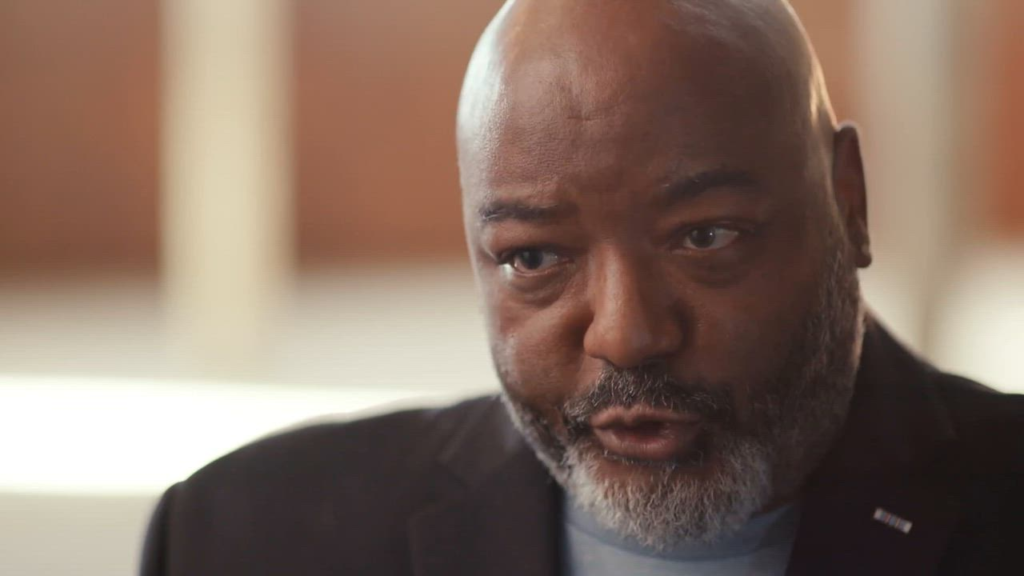
Sarah Adams has become an influential voice within online national security discussions because she combines operational experience with accessible communication. Her ability to explain complicated intelligence concepts in simple language has helped her reach audiences far beyond traditional government or military circles. Many listeners searching for “Sarah Adams CIA” are not only looking for biographical information but also trying to better understand global terrorism and intelligence operations.
Her commentary frequently influences discussions surrounding Afghanistan, ISIS-K, border security, intelligence failures, and modern counterterrorism policy. Whether audiences fully agree with her views or not, her interviews often generate significant debate among people interested in national security and geopolitical analysis. sarah adams cia
The modern media environment has allowed former intelligence officers like Adams to become public educators on subjects once discussed mainly within classified government settings. This transformation reflects changing public demand for insider perspectives on global threats and international conflicts. Audiences increasingly want explanations from individuals with direct operational experience rather than only traditional political commentators.
At the same time, Adams’ growing visibility also highlights ongoing tensions between intelligence secrecy and public communication. Intelligence professionals entering public discussions must balance operational credibility with the limitations of discussing classified matters openly. This challenge is one reason why intelligence-related commentary often generates both strong support and strong skepticism.
Final Thoughts on Sarah Adams CIA
Sarah Adams cia has emerged as one of the most recognized former CIA targeting officers involved in public discussions about terrorism, Afghanistan, Benghazi, and modern intelligence operations. Her background in counterterrorism analysis and militant network targeting has given her credibility among audiences interested in national security and geopolitical issues.
Her growing popularity demonstrates how intelligence commentary has evolved in the digital age. Podcasts, online interviews, and independent media platforms now allow former intelligence professionals to reach global audiences directly, creating new forms of public engagement around national security topics.
At the center of Adams’ public identity is her focus on evolving terrorism threats and the importance of maintaining strong intelligence capabilities. Her warnings regarding extremist regrouping, intelligence gaps, and geopolitical instability continue to generate attention among audiences concerned about future security risks.
Whether viewed primarily as a respected counterterrorism expert or a controversial intelligence commentator, Sarah Adams has undeniably become an important figure in modern discussions surrounding terrorism, intelligence operations, and global security. Her story reflects broader public fascination with the hidden world of intelligence while also revealing how digital media has transformed the relationship between former intelligence officers and the general public. sarah adams cia


Leave a Comment