Michelle Troconis Case Update, Trial & Verdict 2026
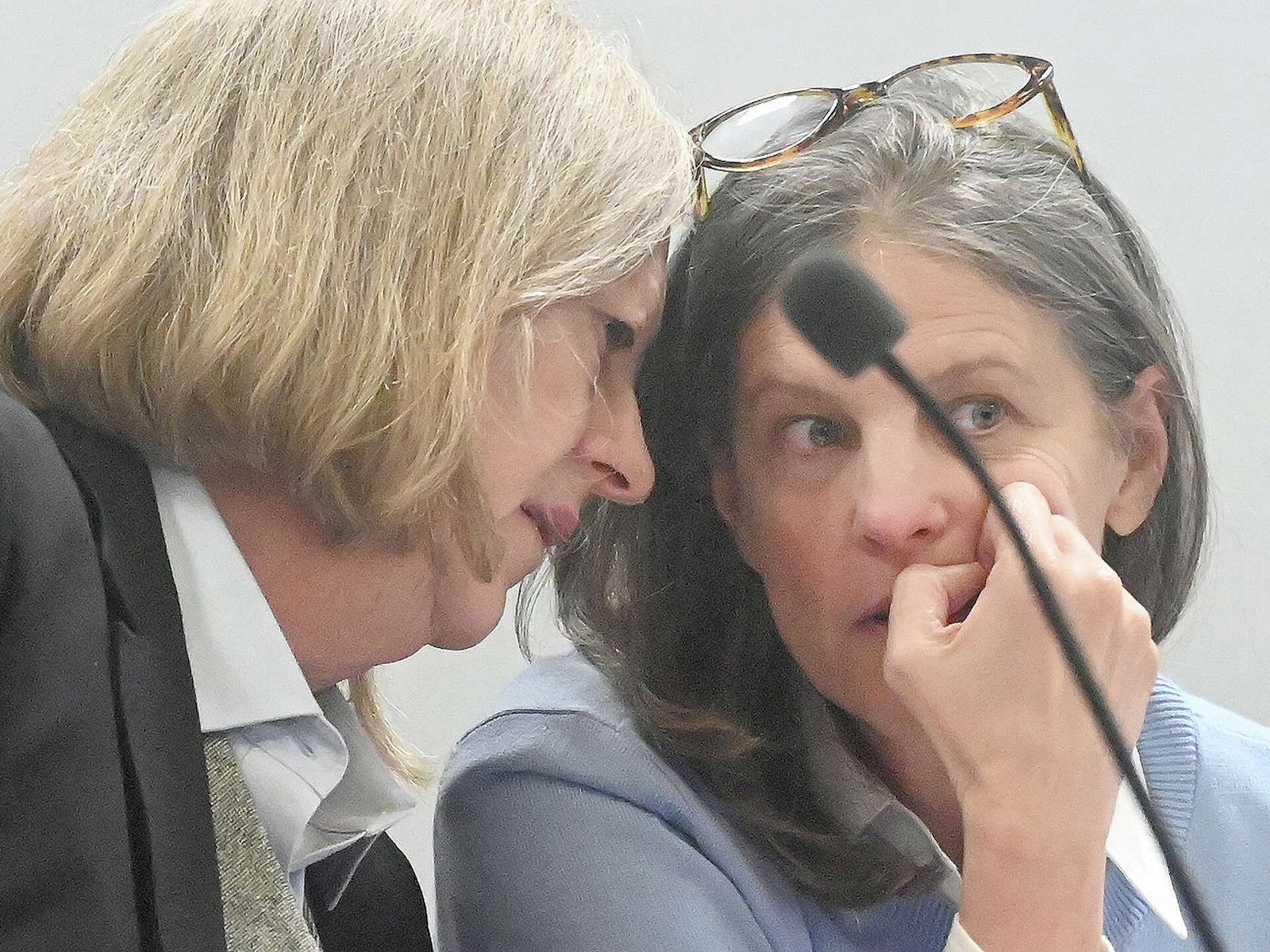
The Michelle Troconis case became one of the most talked-about true crime stories in the United States after the disappearance of Jennifer Dulos in 2019. What began as a missing person investigation in Connecticut eventually transformed into a nationally followed criminal trial involving conspiracy, evidence tampering, and emotional courtroom testimony. Over the years, the case attracted massive attention from television networks, true crime podcasts, online forums, and legal experts because of its shocking allegations and the mystery surrounding Jennifer Dulos’ disappearance.
Interest in Michelle Troconis continues to grow in 2026 because the case remains emotionally powerful and legally significant. Many people search for details about Michelle Troconis, Jennifer Dulos, Fotis Dulos, the Connecticut murder case, and the ongoing appeals connected to the conviction. The story combines family conflict, criminal investigation, forensic evidence, media pressure, and courtroom drama in a way that continues to fascinate the public. The absence of Jennifer Dulos’ body has also kept the case at the center of discussions about circumstantial evidence and modern criminal prosecution strategies.
Who Is Michelle Troconis?
Michelle Troconis is a Venezuelan-American woman who became widely known after being linked to the disappearance and presumed murder of Jennifer Dulos. Before the criminal case brought national attention to her life, Troconis was mostly recognized within social and athletic circles. She reportedly spent much of her early life between Venezuela and the United States and came from a well-known family with business and educational connections.
Troconis later moved into social circles connected to luxury real estate and affluent communities in Connecticut. Her relationship with Fotis Dulos became a major focus of public attention after Jennifer Dulos disappeared. Fotis Dulos, a Connecticut real estate developer, was involved in a bitter divorce and custody battle with Jennifer at the time. Prosecutors later argued that Michelle Troconis became deeply involved in helping Fotis conceal evidence connected to Jennifer’s disappearance.
The case dramatically changed Troconis’ public image. Instead of being viewed as a social figure connected to luxury lifestyles and sports communities, she became one of the central defendants in a nationally recognized criminal prosecution. Even after her conviction, supporters continued claiming she was wrongly accused and unfairly targeted because of her relationship with Fotis Dulos. The intense media coverage surrounding the case transformed her into one of the most discussed figures in modern Connecticut criminal history.
The Disappearance of Jennifer Dulos
Jennifer Dulos disappeared on May 24, 2019, after dropping her five children off at school in New Canaan, Connecticut. Investigators later discovered evidence of a violent attack inside the garage of her home, including bloodstains and signs of a physical struggle. Despite years of investigation and extensive searches, Jennifer’s body has never been recovered.
The disappearance immediately attracted major media attention because Jennifer and Fotis Dulos were already involved in a contentious divorce and child custody dispute. Court documents from the divorce case revealed allegations of emotional abuse, financial disagreements, and fears for safety. Prosecutors later argued that Jennifer’s disappearance was connected to the deteriorating relationship between the couple.
Police quickly focused on Fotis Dulos as the primary suspect. As investigators gathered surveillance footage, cellphone data, and forensic evidence, Michelle Troconis became increasingly connected to the investigation. Authorities believed that multiple individuals may have participated in covering up evidence after Jennifer vanished. The combination of missing person mystery, family conflict, and criminal conspiracy turned the case into a national true crime obsession.
Michelle Troconis and Fotis Dulos’ Relationship
The relationship between Michelle Troconis and Fotis Dulos became one of the most heavily examined aspects of the investigation. Prosecutors argued that the couple shared a close romantic relationship and that Troconis actively supported Fotis during the events surrounding Jennifer Dulos’ disappearance. Defense attorneys, however, argued that Troconis was manipulated by Fotis and lacked knowledge about any alleged murder plan.
During the trial, prosecutors introduced surveillance footage that allegedly showed Troconis accompanying Fotis Dulos while disposing of trash bags in Hartford shortly after Jennifer disappeared. Investigators later claimed some of those trash bags contained evidence connected to Jennifer Dulos, including bloodstained materials and cleaning items. Prosecutors argued these disposal activities demonstrated a coordinated effort to destroy evidence.
Defense attorneys consistently maintained that Michelle Troconis did not know the contents of the trash bags and was unaware of any criminal activity. They argued that prosecutors relied heavily on assumptions and circumstantial evidence rather than direct proof. The public debate surrounding the relationship focused on whether Troconis knowingly participated in criminal acts or simply trusted the man she was dating without understanding the seriousness of the situation unfolding around her.
The Investigation That Captured National Attention
The Jennifer Dulos investigation quickly became one of Connecticut’s largest and most expensive criminal investigations in recent memory. Authorities used surveillance cameras, GPS tracking, cellphone records, forensic testing, and extensive search operations to piece together a timeline of events connected to Jennifer’s disappearance. The investigation involved multiple law enforcement agencies and generated constant national media coverage.
One of the most significant breakthroughs came from surveillance footage recorded in Hartford on the night Jennifer disappeared. Investigators claimed the footage showed Fotis Dulos and Michelle Troconis stopping at various garbage bins and disposing of multiple trash bags. When police later recovered some of those bags, they allegedly found evidence tied to Jennifer Dulos and the crime scene.
The investigation also focused heavily on alibi inconsistencies and statements given during police interviews. Prosecutors argued that Michelle Troconis changed details in her accounts several times and provided misleading information to investigators. Troconis’ defense team argued that repeated interviews, emotional stress, and language interpretation issues contributed to inconsistencies in her statements. The conflicting narratives presented by both sides became central to the trial and public debate.
The Criminal Charges Against Michelle Troconis
Michelle Troconis faced serious criminal charges including conspiracy to commit murder, tampering with physical evidence, and hindering prosecution. Prosecutors alleged that while she may not have physically killed Jennifer Dulos, she knowingly assisted in concealing evidence and helping Fotis Dulos avoid accountability.
The conspiracy charge became one of the most controversial aspects of the case. Prosecutors argued that Troconis participated in activities designed to cover up Jennifer’s presumed murder. They pointed to surveillance footage, cellphone records, timelines, and police interviews as evidence of coordinated behavior. According to the prosecution, Troconis helped construct a false alibi and participated in evidence disposal efforts shortly after Jennifer disappeared.
Defense attorneys argued there was no direct evidence proving Michelle Troconis knew about or participated in a murder conspiracy. They claimed prosecutors relied on circumstantial evidence and assumptions about her intentions. Supporters of Troconis also criticized what they believed was excessive media bias and argued she became guilty in the eyes of the public long before the trial concluded. The criminal charges transformed the case into a major national discussion about conspiracy law and the limits of circumstantial evidence in criminal prosecutions.
The Trial and Courtroom Evidence
The Michelle Troconis trial became one of the most closely followed courtroom proceedings in Connecticut history. Prosecutors presented a detailed timeline built around forensic evidence, surveillance video, witness testimony, and digital records. They argued that Troconis played an active role in helping Fotis Dulos cover up Jennifer’s murder and destroy evidence connected to the crime.
One major focus during the trial involved police interview recordings. Jurors heard hours of conversations between investigators and Michelle Troconis. Prosecutors argued that her inconsistent answers and changing stories demonstrated consciousness of guilt. The state also emphasized surveillance footage allegedly showing Troconis participating in suspicious disposal activities with Fotis Dulos on the night Jennifer disappeared.
The defense challenged the interpretation of nearly every major piece of evidence. Attorneys argued that Troconis’ statements reflected confusion rather than criminal intent. They also claimed language barriers affected the accuracy of communication during police interviews because English was not her first language. The trial attracted enormous media attention because it highlighted how prosecutors can build murder-related cases even when a victim’s body has not been found.
The Death of Fotis Dulos and Its Impact
A major turning point in the case occurred in January 2020 when Fotis Dulos died by suicide after being charged in connection with Jennifer Dulos’ disappearance. His death shocked the public and dramatically changed the legal landscape surrounding the investigation. Before his death, prosecutors had identified him as the primary suspect in Jennifer’s presumed murder.
The death of Fotis Dulos created new challenges for investigators and prosecutors. Since the main suspect could no longer stand trial, attention increasingly shifted toward the remaining defendants connected to the case, including Michelle Troconis and attorney Kent Mawhinney. Prosecutors continued pursuing charges based on the theory that multiple individuals participated in concealing evidence after Jennifer disappeared.
For many observers, Fotis Dulos’ death intensified public curiosity about Michelle Troconis’ role in the case. Some believed she became unfairly blamed after Fotis could no longer defend himself in court, while others believed the remaining evidence still demonstrated coordinated criminal conduct. The emotional impact of Fotis’ death also contributed to the intense media fascination surrounding the case and its unresolved questions.
Public Reaction and Media Coverage
The Michelle Troconis case became a major topic across television news programs, crime documentaries, YouTube channels, podcasts, and online discussion forums. True crime audiences followed every development closely because the story combined wealth, family conflict, missing persons investigation, and courtroom drama. Media coverage often focused heavily on the emotional aspects of Jennifer Dulos’ disappearance and the impact on her five children.
Public opinion surrounding Michelle Troconis became deeply divided. Some people believed prosecutors presented compelling evidence proving she knowingly helped conceal a murder. Others argued that she was convicted primarily because of her association with Fotis Dulos rather than direct evidence showing criminal intent. Social media discussions and online true crime communities frequently debated the fairness of the prosecution’s case.
The trial also sparked broader discussions about media influence in high-profile criminal cases. Supporters of Troconis argued that extensive news coverage created a negative public image before the trial even began. Meanwhile, supporters of Jennifer Dulos’ family emphasized the importance of accountability and justice despite the absence of a recovered body. The intense media attention helped transform the case into one of the most recognizable true crime stories in America.
Michelle Troconis’ Conviction and Sentence
In 2024, Michelle Troconis was convicted on charges related to conspiracy, evidence tampering, and hindering prosecution. The verdict marked a significant moment in the Jennifer Dulos investigation because it demonstrated that prosecutors could secure convictions even without locating the victim’s remains. The sentencing phase included emotional testimony from family members and discussions about the lasting trauma caused by Jennifer’s disappearance.
The court sentenced Troconis to more than fourteen years in prison. Prosecutors argued that her actions contributed to the concealment of critical evidence and obstructed efforts to fully solve the case. The conviction was viewed by many as a major victory for investigators who spent years building the prosecution through forensic analysis and circumstantial evidence.
Supporters of Michelle Troconis immediately criticized the verdict and claimed the trial was unfair. They argued that prosecutors failed to present direct proof connecting her to a murder conspiracy. Defense attorneys also raised concerns about investigative methods, media pressure, and legal decisions made during the proceedings. The conviction did not end public debate surrounding the case and instead fueled ongoing discussions about justice and legal fairness.
Appeals and the Ongoing Legal Battle in 2026
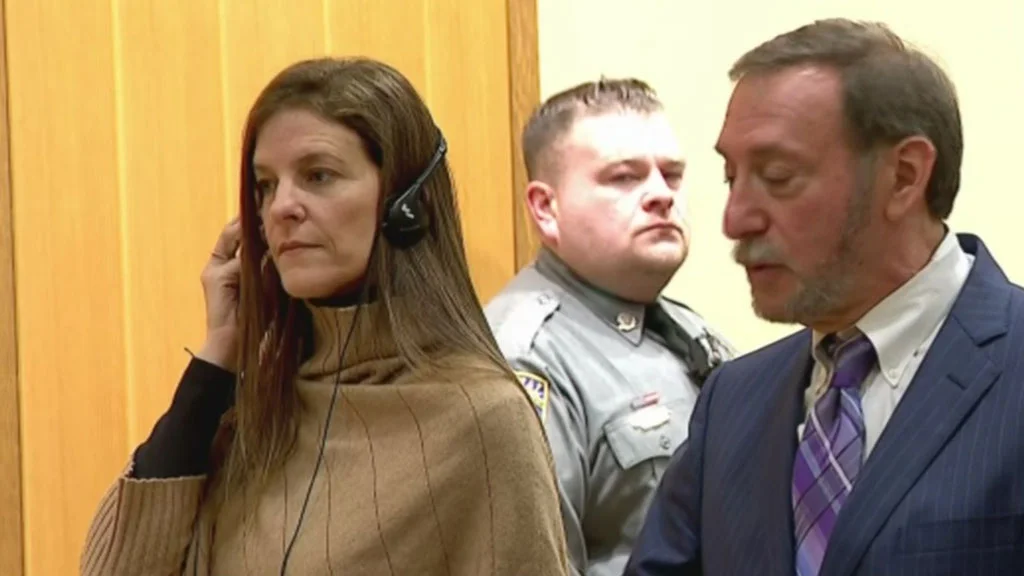
Following her conviction, Michelle Troconis began pursuing appeals and post-conviction legal motions aimed at overturning the verdict or securing a new trial. Her legal team argued that errors occurred during the investigation and trial process, including concerns about police interviews, legal representation, and evidentiary rulings. The appeals process has remained a major focus of media coverage in 2026.
One important legal effort involved a habeas corpus petition claiming ineffective assistance of counsel. Troconis’ attorneys argued that early police interviews should have been handled differently and that legal strategies during the investigation failed to adequately protect her rights. Prosecutors rejected those arguments and maintained that the original defense representation met acceptable legal standards.
A Connecticut judge later denied Troconis’ habeas corpus request, ruling that the defense failed to prove ineffective legal representation. Despite that setback, additional appellate proceedings continue moving through the court system. The ongoing legal battle ensures that the Michelle Troconis case remains active in public conversation and true crime reporting. Many people continue following the story closely because unanswered questions surrounding Jennifer Dulos’ disappearance still remain unresolved.
Why the Michelle Troconis Case Continues to Fascinate the Public
The Michelle Troconis case remains one of the most compelling modern true crime stories because it combines mystery, emotional tragedy, legal complexity, and media attention. The disappearance of Jennifer Dulos continues haunting the public because her body has never been found despite years of investigation and extensive forensic work. That unresolved element keeps interest in the case alive even years after the initial disappearance.
Legal experts often analyze the case when discussing conspiracy law, circumstantial evidence, and evidence tampering prosecutions. The investigation demonstrated how digital evidence, surveillance footage, forensic science, and interview analysis can shape modern criminal cases. Many observers also view the case as an example of how prosecutors can pursue murder-related convictions without recovering a victim’s remains.
The emotional dimension of the story also contributes to its lasting impact. Jennifer Dulos’ children, family members, and loved ones continue living with the consequences of a tragedy that captured national attention. At the same time, Michelle Troconis’ supporters continue insisting she was unfairly convicted. The clash between those opposing viewpoints has kept the case at the center of true crime discussions, legal analysis, and media coverage throughout 2026.


Leave a Comment