LifeProof Ceramic Coating Guide for Car Protection
Introduction to LifeProof Ceramic Coating
LifeProof ceramic coating has become one of the most talked-about automotive paint protection solutions in the detailing industry because it offers long-term protection, enhanced gloss, and easier vehicle maintenance. Modern car owners invest significant amounts of money into their vehicles, and protecting automotive paint from environmental damage has become increasingly important. Ceramic coatings are designed to create a durable protective barrier over the paint surface, helping preserve appearance while reducing exposure to contaminants, UV rays, oxidation, and everyday wear.
The popularity of ceramic coating technology has expanded rapidly over the last decade as consumers became more aware of professional detailing services and long-term paint preservation. Traditional waxes and paint sealants provide temporary shine and water resistance, but ceramic coatings offer a much longer-lasting solution. LifeProof ceramic coating products are commonly associated with hydrophobic protection, nano ceramic technology, SiO2 coatings, automotive surface protection, and premium car detailing because these features represent the core benefits consumers seek in modern paint protection systems.
Social media and automotive enthusiast culture also helped ceramic coatings become mainstream. Videos showing dramatic water beading, glossy reflections, and mirror-like paint finishes attracted millions of viewers online. As a result, everyday vehicle owners began exploring ceramic coating services not only for luxury vehicles but also for daily drivers, trucks, SUVs, motorcycles, and family cars. Ceramic protection evolved from a niche detailing option into a major segment of the automotive care industry.
What Ceramic Coating Actually Does
Ceramic coating is a liquid polymer solution that chemically bonds with a vehicle’s factory clear coat to create a durable protective layer. Most ceramic coatings use silicon dioxide or SiO2 technology, often combined with nanotechnology that allows the coating to fill microscopic pores within the paint surface. Once cured, the coating forms a hardened shell that improves resistance against environmental contaminants and moisture.
One of the most important characteristics of LifeProof ceramic coating is hydrophobic behavior. Water beads up and slides off coated surfaces much more easily than untreated paint. Dirt, mud, road grime, and contaminants have a harder time sticking to the surface, which helps vehicles remain cleaner for longer periods. This self-cleaning effect became one of the most heavily marketed features of ceramic coatings because it noticeably changes how water interacts with the paint during rain or washing.
The coating also enhances visual appearance by improving gloss, depth, and paint clarity. Dark-colored vehicles especially benefit from ceramic protection because the coating intensifies reflections and creates a polished showroom-style finish. In addition to cosmetic improvement, ceramic coatings help reduce UV-related oxidation and fading caused by prolonged sunlight exposure. Keywords such as hydrophobic coating, paint protection coating, nano ceramic technology, automotive gloss enhancement, and UV-resistant car coating naturally connect with LifeProof ceramic coating because they describe its main performance functions.
Why Ceramic Coatings Became So Popular
The growing popularity of ceramic coatings reflects major changes in modern car ownership and detailing culture. Vehicles have become more expensive, paint systems more advanced, and repair costs significantly higher. Many car owners now view paint protection as a long-term investment rather than a luxury service reserved only for exotic vehicles. Ceramic coatings provide preventative protection that may help maintain appearance and resale value for years.
Professional detailing culture also exploded through YouTube, TikTok, Instagram, and automotive forums. Car enthusiasts regularly share videos of paint correction, ceramic application processes, water beading demonstrations, and gloss enhancement results. These highly visual transformations helped introduce ceramic coatings to a much wider audience. Searches for terms such as ceramic coating near me, car paint protection, professional auto detailing, and long-lasting vehicle coating increased dramatically as more consumers became interested in preserving vehicle appearance.
The decline of traditional waxing routines also contributed to ceramic coating demand. Many people no longer want to wax vehicles every few months, especially in regions with harsh weather conditions. Ceramic coatings appeal strongly to busy vehicle owners because they provide longer-lasting protection with less maintenance effort. Although ceramic-coated vehicles still require washing and care, the reduced cleaning difficulty became a major reason for widespread adoption.
The Main Benefits of LifeProof Ceramic Coating
One of the biggest advantages of LifeProof ceramic coating is long-term paint protection against environmental hazards. Bird droppings, bug residue, tree sap, road salt, industrial fallout, acid rain, and chemical contaminants can damage automotive paint if left untreated. Ceramic coatings create a sacrificial barrier that reduces direct exposure between these contaminants and the vehicle’s clear coat.
Gloss enhancement is another major benefit. Ceramic coatings deepen paint color and create a highly reflective finish that resembles freshly polished paint. Many owners describe coated vehicles as looking wetter, shinier, and more vibrant after application. This glossy appearance remains noticeable much longer compared to traditional wax products, which tend to degrade quickly after exposure to weather and washing.
Ceramic coatings also simplify maintenance washing. Since dirt and water do not cling to the surface as aggressively, cleaning becomes easier and faster. Mud and road grime rinse away more efficiently, while drying times decrease because water sheets off the paint. Keywords such as scratch-resistant coating, easy-clean car protection, ceramic gloss coating, premium automotive detailing, and long-lasting paint protection are closely associated with LifeProof ceramic coating because they represent the benefits most consumers prioritize.
The Ceramic Coating Application Process
Applying LifeProof ceramic coating properly requires extensive preparation because coatings permanently lock in the condition of the paint underneath. If swirl marks, scratches, oxidation, or contamination remain on the paint before application, the coating may actually make those imperfections more noticeable due to increased gloss and reflection.
Professional detailers typically begin with deep decontamination procedures that include hand washing, iron removal treatment, clay bar decontamination, and paint correction polishing. Paint correction removes scratches, swirl marks, and oxidation using machine polishers and specialized compounds. This preparation stage is often the most time-consuming part of the entire ceramic coating process because flawless paint produces the best final appearance.
Once the paint is fully prepared, the ceramic coating is applied carefully using microfiber applicators. The product is spread across small sections of the vehicle before leveling and curing. Environmental conditions such as humidity and temperature affect curing behavior significantly. Some professional shops also use infrared curing lamps to accelerate hardening and improve bonding. Improper application can create high spots, streaks, or uneven finishes, which is why many consumers choose professional installation rather than DIY ceramic coating kits.
How Long LifeProof Ceramic Coating Lasts
Durability is one of the strongest reasons people invest in ceramic coating protection. Depending on the formula, maintenance habits, environmental conditions, and driving exposure, LifeProof ceramic coating products may last from one year to several years. Professional-grade coatings generally provide longer durability than consumer spray coatings or hybrid ceramic products available at retail stores.
Environmental exposure greatly affects coating lifespan. Vehicles regularly exposed to road salt, strong sunlight, industrial pollution, harsh winters, or automatic brush car washes may experience faster coating degradation. Maintenance also matters significantly. Vehicles washed using proper techniques and pH-neutral shampoos generally maintain hydrophobic behavior and gloss for longer periods.
Many consumers misunderstand ceramic coating longevity because marketing can sometimes create unrealistic expectations. Ceramic coatings are durable, but they are not permanent or maintenance-free. Over time, contamination buildup and environmental wear gradually reduce performance. However, compared to traditional waxes that may last only weeks or months, ceramic coatings still offer dramatically improved long-term protection. Keywords such as durable ceramic coating, multi-year paint protection, professional coating lifespan, automotive coating maintenance, and hydrophobic protection longevity remain highly searched because consumers want realistic expectations before investing in detailing services.
Common Myths About Ceramic Coating
One of the biggest myths surrounding LifeProof ceramic coating is the belief that it makes vehicles completely scratch-proof. Ceramic coatings improve surface hardness and reduce minor swirl marks, but they cannot stop rock chips, deep scratches, key marks, or collision damage. Improper washing techniques can still create paint imperfections even on coated vehicles.
Another common misconception is that ceramic-coated cars never need washing again. While coatings reduce dirt adhesion and make cleaning easier, they do not eliminate maintenance entirely. Dust, pollen, road grime, water spots, and contamination still accumulate over time. Regular maintenance washing remains necessary to preserve appearance and coating performance.
Some consumers also confuse ceramic coatings with paint protection film or PPF. Ceramic coatings primarily focus on gloss enhancement, hydrophobic behavior, and chemical resistance, while paint protection film provides thicker physical protection against impacts and rock chips. Many premium detailing packages now combine PPF with ceramic coatings for maximum appearance and protection benefits. Keywords such as ceramic coating myths, paint protection facts, detailing misconceptions, car coating reality, and ceramic coating maintenance continue trending because many consumers seek accurate information before purchasing these services.
LifeProof Ceramic Coating and Professional Detailing
Professional detailing businesses played a massive role in the growth of ceramic coating popularity. Many detailing shops now specialize heavily in paint correction and ceramic coating services because they generate higher revenue compared to traditional waxing or washing packages. Ceramic coating applications often require advanced polishing skills, lighting equipment, paint thickness gauges, and controlled indoor environments.
The detailing industry itself evolved significantly because of ceramic coating demand. Training programs, certification systems, and premium detailing studios expanded rapidly as more consumers sought long-lasting paint protection services. Detailers increasingly market coatings as investments in paint preservation and resale value rather than temporary cosmetic enhancements.
Ceramic coatings also became deeply connected with automotive enthusiast culture. Car clubs, online forums, detailing channels, and social media creators frequently discuss gloss levels, hydrophobic performance, coating brands, and paint correction methods. Searches for professional ceramic coating, automotive detailing specialist, paint correction service, and ceramic-coated vehicle continue growing because vehicle appearance care has become a major hobby and lifestyle category for many consumers.
Proper Maintenance for Ceramic-Coated Vehicles
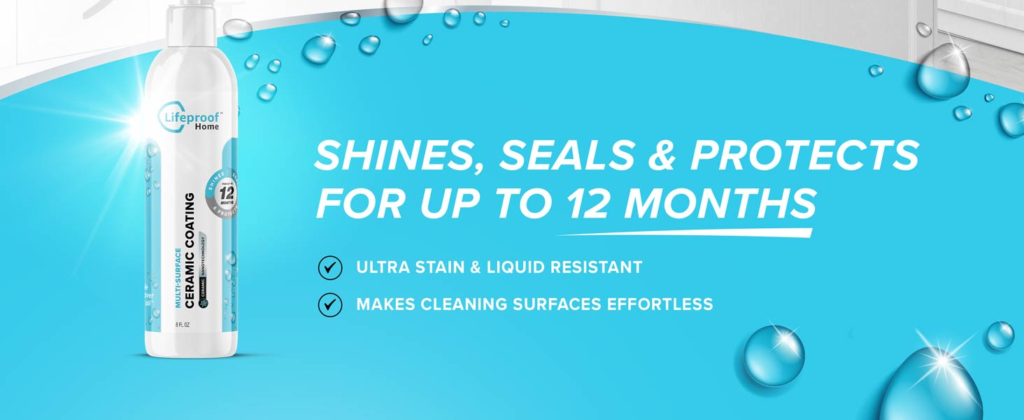
Maintaining a ceramic-coated vehicle correctly is essential for preserving gloss, hydrophobic performance, and coating durability. Gentle hand washing remains the safest cleaning method because aggressive automatic car washes can create scratches and weaken the protective layer over time. Most detailing professionals recommend pH-neutral car shampoos specifically designed for coated vehicles.
Microfiber towels and wash mitts are commonly used because they reduce the risk of swirl marks during washing and drying. Drying the vehicle thoroughly after washing also helps minimize mineral deposits and water spotting. Although ceramic coatings repel water effectively, hard water minerals can still create spotting if left on the surface for extended periods.
Many vehicle owners also use ceramic booster sprays or silica maintenance products to refresh hydrophobic performance periodically. These products are not full ceramic coatings themselves, but they help maintain gloss and water behavior between major detailing sessions. Proper maintenance habits greatly influence how long ceramic coatings continue performing at a high level over the years.
Is LifeProof Ceramic Coating Worth It in 2026?
LifeProof ceramic coating remains highly valuable in 2026 because modern vehicle owners increasingly prioritize paint protection, appearance preservation, and long-term maintenance reduction. As automotive paint systems become more sophisticated and expensive to repair, preventative detailing solutions continue gaining popularity among both enthusiasts and regular drivers.
The overall value of ceramic coating depends largely on owner expectations and maintenance habits. Drivers who care about vehicle appearance, wash their cars regularly, and plan to keep their vehicles long term often benefit the most from ceramic protection. Ceramic coatings improve gloss, simplify cleaning, and help preserve paint condition in ways that traditional waxes cannot consistently match.
Although ceramic coatings require upfront investment and proper care, they continue dominating the premium automotive detailing market because they provide noticeable long-term benefits. LifeProof ceramic coating represents part of a broader shift toward professional-grade paint preservation and advanced automotive surface protection. For many modern vehicle owners, ceramic coating is no longer considered a luxury upgrade but rather a practical investment in maintaining the beauty and value of their vehicles for years to come.



Leave a Comment