High Taper Fade Haircut Guide for Modern Men 2026
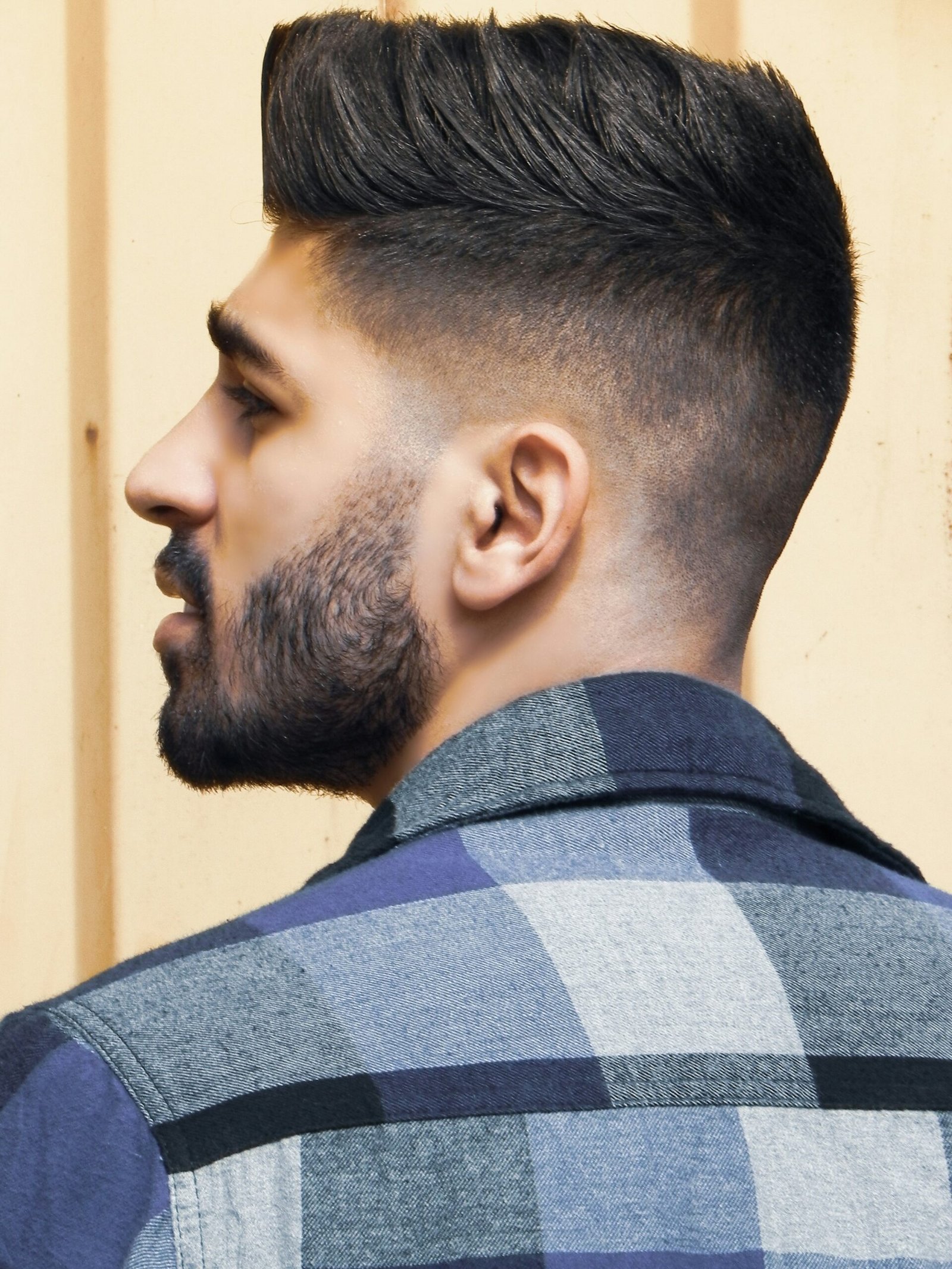
The high taper fade has become one of the most influential and stylish haircuts in modern men’s grooming. Over the last decade, this haircut has evolved from a classic barbershop style into a global fashion trend seen on athletes, musicians, influencers, and professionals. The reason behind its popularity is simple. The high taper fade delivers a sharp, clean, masculine appearance while remaining flexible enough to work with almost every hair type and face shape.
Unlike traditional hairstyles that rely heavily on length and texture alone, the high taper fade creates contrast. The sides and back gradually transition from very short hair into longer hair near the top, producing a clean and blended finish. Because the fade starts higher on the head, the style instantly draws attention to the top hairstyle while sharpening facial features at the same time.
Many people confuse a high taper fade with a regular fade haircut, but there are important differences. A classic taper focuses mainly around the sideburns and neckline, while a high taper fade blends much higher above the temples and around the crown area. This creates a more dramatic appearance and gives the haircut a stronger modern edge. Today, it is one of the most requested haircuts in barbershops worldwide because it balances professionalism with trend-focused styling.
The high taper fade also continues evolving with fashion trends. Some men combine it with textured crops, curly tops, waves, afros, braids, twists, pompadours, or slick-back hairstyles. Others add beard fades and razor lineups for a more detailed finish. This level of versatility makes the haircut suitable for teenagers, young adults, and mature men alike.
The History and Evolution of the High Taper Fade
The roots of fade haircuts can be traced back to military grooming standards during the twentieth century. Military personnel were often required to maintain short, neat hairstyles for hygiene and discipline. Over time, barbers adapted these short cuts into more stylish versions that eventually became popular in urban fashion and hip-hop culture.
During the 1980s and 1990s, fade haircuts became closely associated with Black barbershop culture in the United States. Skilled barbers began experimenting with clipper techniques to create smoother blends, sharper edges, and more creative transitions. The high fade became especially popular because it offered a bold appearance that stood out more than traditional short haircuts.
As barbering evolved into a respected art form, social media platforms helped push fade haircuts into mainstream popularity. Instagram, TikTok, and YouTube allowed barbers to showcase precision fades, detailed lineups, and haircut transformations to millions of viewers worldwide. The high taper fade quickly gained attention because of its sharp contrast and camera-friendly appearance.
Today, the haircut is no longer limited to one specific culture or age group. Men from different backgrounds and professions choose the style because it works equally well in professional environments and casual settings. Modern barbers continue developing new variations, ensuring the haircut stays relevant year after year.
What Defines a High Taper Fade Haircut
The defining characteristic of a high taper fade is the placement of the fade line. In this haircut, the fade begins high on the sides of the head, often near the temples or slightly above them. The hair gradually transitions downward into shorter lengths, sometimes blending all the way into the skin.
This higher transition point creates stronger contrast between the top and sides compared to low or mid taper fades. Because of this contrast, the hairstyle on top becomes the focal point of the overall look. Whether someone chooses curls, waves, textured hair, or straight hair, the high taper fade helps emphasize that style more clearly.
Professional barbers use multiple clipper guards and blending techniques to create a seamless transition. The quality of the fade depends heavily on smooth blending. Harsh lines or uneven transitions can make the haircut look unfinished. Experienced barbers carefully remove visible lines while maintaining symmetry around the head.
Another important feature of the haircut is the neckline and temple detailing. Most high taper fades include sharp edges around the forehead and sideburns. These clean lines create a polished finish that makes the haircut appear fresh and well-maintained. Some men also combine the haircut with beard fades to create a connected and balanced appearance from head to face.
Why the High Taper Fade Became a Global Trend
One major reason the high taper fade became so popular is its adaptability. Few hairstyles work equally well for students, athletes, office workers, musicians, and fashion models. The haircut fits almost every lifestyle because it can appear professional, edgy, sporty, or elegant depending on how it is styled.
Celebrities and athletes also contributed heavily to the trend. Basketball players, football stars, rappers, and actors frequently wear variations of the high taper fade because the haircut looks sharp under bright lights and high-definition cameras. The clean structure naturally enhances facial features, making it visually appealing in photographs and videos.
Social media accelerated the popularity even further. Barber transformation videos featuring high taper fades often receive millions of views because viewers enjoy seeing dramatic before-and-after results. The haircut photographs exceptionally well due to its contrast and detail, making it one of the most shared grooming styles online.
Another reason behind its success is the growing importance of personal grooming in modern culture. Men today are more interested in maintaining polished appearances than previous generations. The high taper fade offers a stylish solution that appears intentional and fashionable without requiring excessive daily effort.
The haircut also crosses cultural boundaries easily. It works for curly hair, straight hair, thick hair, wavy hair, and afro-textured hair. This universal compatibility helped transform the high taper fade from a regional barbershop trend into a worldwide hairstyle phenomenon.
Best Hair Types for a High Taper Fade
The high taper fade is highly versatile because it complements many different hair textures and densities. Curly hair is one of the most popular pairings with this haircut because the faded sides reduce bulk while allowing curls to stand out prominently on top. Tight curls and coils gain better shape and definition when combined with a sharp fade.
Men with straight hair also benefit from the haircut because the fade adds structure and dimension. Straight hairstyles sometimes appear flat without contrast, but the high taper fade creates visual separation that enhances the overall style. Many men with straight hair combine the fade with textured crops, slick-backs, or pompadours for a sleek modern appearance.
Wavy hair naturally blends well with high taper fades because waves provide movement and texture. The haircut keeps the sides controlled while preserving the natural flow of the hair on top. This combination creates a relaxed but fashionable aesthetic that remains popular among younger men.
Afro-textured hair is another excellent match for the haircut. Many men with afros choose high taper fades because they preserve the volume and shape on top while maintaining clean edges around the sides and neckline. Sponge twists, curls, and wave patterns all pair effectively with this fade style.
Even men with thick hair appreciate the haircut because it removes unnecessary weight from the sides, making the hairstyle easier to manage. Fine hair can also appear fuller when paired with a high fade because the contrast creates the illusion of greater volume on top.
Popular High Taper Fade Styles in Modern Barbering
The high taper fade serves as a foundation for numerous trendy hairstyles. One of the most requested versions is the curly high taper fade. In this variation, natural curls remain longer on top while the sides are blended tightly. This combination creates texture, movement, and strong visual contrast.
The textured crop high taper fade is another modern favorite. This haircut keeps the top short and layered while using the fade to create sharp edges around the sides. It is especially popular among younger men because it requires relatively low maintenance while still appearing fashionable.
The high taper fade with waves remains extremely popular in Black barbershop culture. Men who maintain 360 waves often prefer high tapers because they keep the wave pattern visible while adding crisp detailing around the temples and neckline. The result looks clean, defined, and highly polished.
Some men prefer combining the fade with longer hairstyles such as braids, dreadlocks, or twists. In these cases, the high taper fade creates strong separation between the long hair on top and the shorter faded sides. This dramatic contrast makes the hairstyle appear more dynamic and modern.
The slick-back high taper fade is also widely worn by professionals and fashion-conscious men. By brushing the top backward with pomade or styling cream, the haircut achieves a refined appearance suitable for formal events and business settings. The fade keeps the overall style contemporary instead of overly traditional.
The Role of Barbers in Creating a Perfect Fade
A high-quality high taper fade requires skill, precision, and experience. Professional barbers spend years mastering blending techniques because fades demand careful transitions between different hair lengths. Small mistakes become highly visible in fade haircuts, which is why choosing a skilled barber matters greatly.
The haircut process usually begins with sectioning the hair and identifying the fade starting point. Barbers then use clippers with multiple guard lengths to gradually remove bulk while maintaining smooth transitions. Precision trimmers and razors help define the edges and create clean outlines around the forehead and temples.
Lighting and symmetry play important roles during the haircut process. Experienced barbers constantly check the haircut from different angles to ensure both sides match evenly. They also pay attention to head shape, hair growth patterns, and natural contours when creating the fade.
Communication between the barber and client is equally important. Some clients prefer very tight skin fades, while others want softer transitions with slightly more hair retention. Understanding these preferences helps the barber customize the haircut according to the client’s personality and lifestyle.
Modern barbering has evolved into an artistic profession where fades are treated as detailed craftsmanship rather than simple haircuts. Social media competitions, barber expos, and online tutorials continue raising industry standards, leading to increasingly creative and technically impressive fade styles.
Styling Products and Daily Grooming Tips
Maintaining a high taper fade involves more than regular haircuts. Daily grooming and proper styling products significantly affect the final appearance of the hairstyle. Men with curly hair often rely on curl creams and leave-in conditioners to maintain moisture and reduce frizz. These products help curls remain defined and healthy-looking.
For straight or wavy hair, matte clays and lightweight pomades are commonly used. Matte products create natural texture without excessive shine, while pomades produce smoother and more polished finishes. Blow-drying can also add volume and improve styling control, especially for pompadours or textured hairstyles.
Scalp health is another important factor that many people overlook. Healthy hair growth depends on proper scalp care, including regular cleansing and hydration. Gentle shampoos, moisturizing oils, and scalp treatments help prevent dryness and irritation while improving overall hair quality.
Brushing and combing techniques vary depending on hair type. Men with waves often use specialized brushes to maintain their wave patterns, while those with textured styles may use finger styling techniques to preserve natural movement. Proper grooming routines help extend the lifespan of the haircut between barber visits.
Regular trimming is essential because fade haircuts lose sharpness as the hair grows out. Most men schedule appointments every two to three weeks to keep the haircut fresh and defined. Without maintenance, the contrast that makes the fade attractive gradually disappears.
Face Shapes and Choosing the Right Variation
Although the high taper fade suits many people, customization based on face shape helps achieve the best results. Men with oval face shapes have the greatest flexibility because balanced proportions work well with most fade variations. They can experiment with volume, texture, or slick styles without disrupting facial harmony.
Round face shapes often benefit from hairstyles that create height on top. A high taper fade paired with textured volume can make the face appear longer and more structured. Sharp lineups around the forehead also help create stronger definition.
Square face shapes naturally pair well with fades because angular jawlines complement sharp transitions. Many barbers recommend textured tops for square faces because they soften overly rigid features while preserving masculine structure. Longer face shapes may require more moderate volume to avoid excessive elongation.
Personal lifestyle should also influence haircut choices. Someone working in a corporate office may prefer a cleaner and more conservative fade, while others involved in fashion or entertainment may choose bolder variations with designs or dramatic texture. The flexibility of the high taper fade allows it to adapt easily to both professional and creative environments.
Hair density and growth patterns matter as well. Thick hair supports dramatic fades more easily, while thinner hair may require softer blending techniques. Skilled barbers adjust the fade accordingly to ensure the final haircut looks balanced and natural.
Why the High Taper Fade Remains Timeless
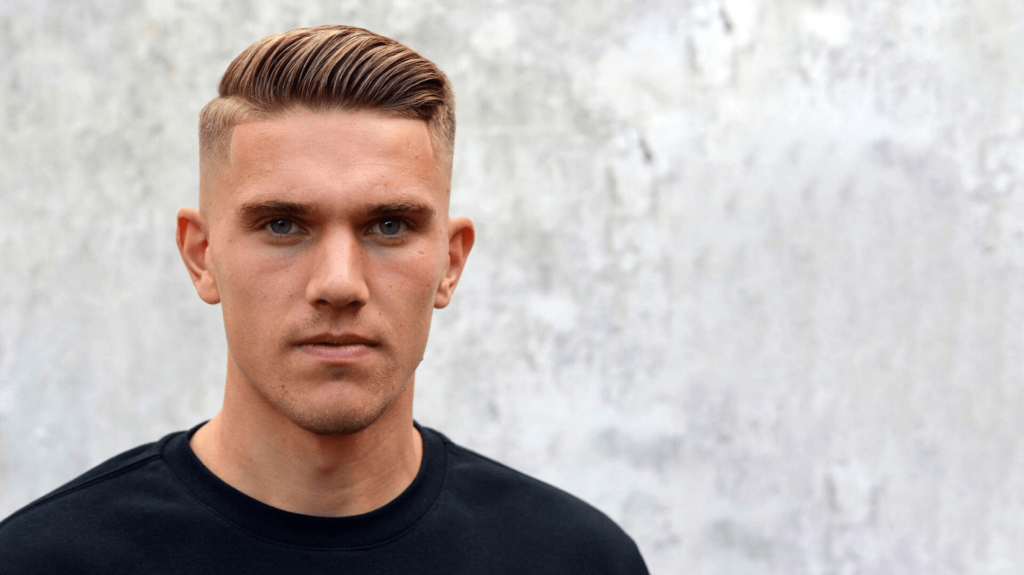
Hair trends constantly change, yet the high taper fade continues remaining relevant year after year. One reason for its longevity is its ability to evolve. The haircut adapts to new fashion movements without losing its core identity. Whether paired with modern curls, classic slick-backs, or textured crops, the fade consistently enhances the overall appearance.
The haircut also balances timeless grooming principles with contemporary style. Clean edges, symmetry, and neatness have always been associated with good grooming. The high taper fade modernizes these principles by adding sharp contrast and personalized styling options.
Practicality contributes to its timeless appeal as well. The haircut works in professional offices, gyms, universities, weddings, and social gatherings. Few hairstyles offer the same level of versatility while still appearing fashionable. Men appreciate having a haircut that looks equally appropriate in formal and casual environments.
Confidence is another important factor. A fresh fade often makes people feel more polished and self-assured because the haircut highlights facial structure and creates a cleaner appearance overall. This psychological effect explains why many clients repeatedly return to the same style after experimenting with alternatives.
As barbering techniques continue improving and grooming culture keeps growing, the high taper fade is expected to remain one of the most requested hairstyles worldwide. Its blend of versatility, structure, and modern appeal ensures that it will continue influencing men’s fashion for years to come.
Final Thoughts on the High Taper Fade
The high taper fade represents far more than a simple haircut. It reflects modern grooming culture, personal style, and the growing importance of self-presentation in today’s world. From its roots in classic barbering traditions to its current status as a global hairstyle trend, the fade has evolved into one of the most recognizable and versatile haircuts available.
Its popularity continues because it works for different hair textures, face shapes, and lifestyles while remaining adaptable to changing fashion trends. Whether someone wants a clean professional look, a bold modern appearance, or a stylish casual haircut, the high taper fade provides countless possibilities.
Professional barbers continue refining the haircut through advanced blending techniques, creative styling, and detailed customization. Social media and celebrity influence have further expanded its reach, ensuring that the style remains highly visible across fashion and grooming industries.
For men seeking a haircut that combines sharpness, versatility, and timeless appeal, the high taper fade remains one of the strongest choices available today. Its clean structure, modern energy, and universal adaptability guarantee that it will continue dominating barbershops and hairstyle trends well into the future.
Leave a Comment