Gus Walz Story, Family, ADHD & Viral DNC Moment
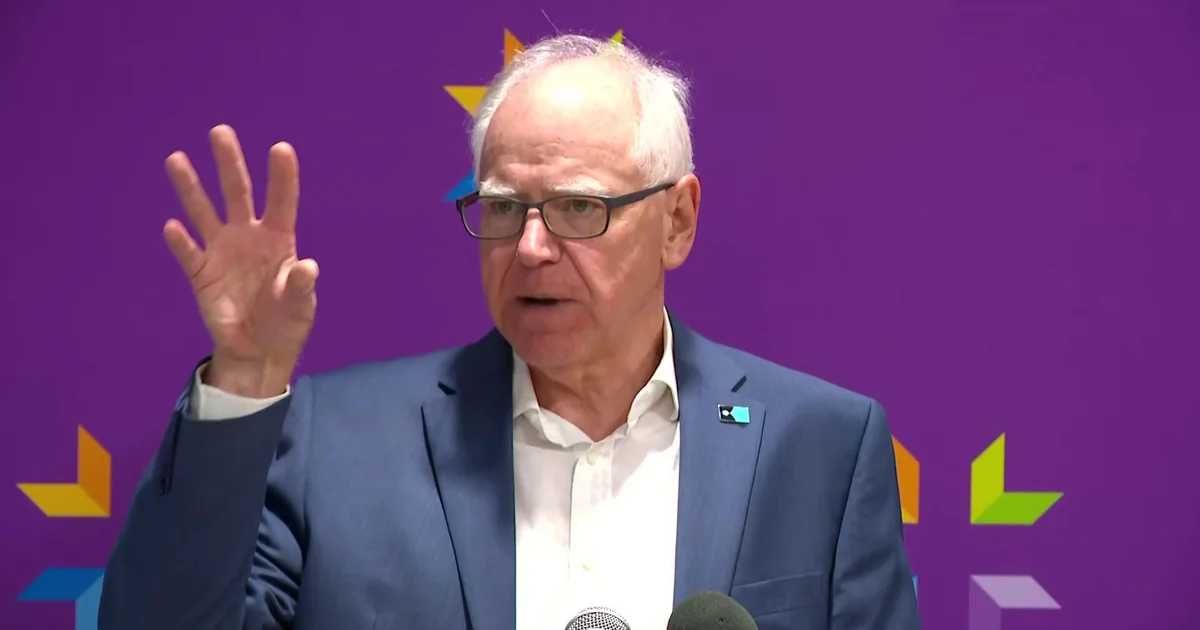
The name Gus Walz became nationally recognized during the 2024 Democratic National Convention when millions of viewers watched an emotional moment between a son and his father. As Minnesota Governor Tim Walz delivered his speech after accepting the Democratic vice-presidential nomination, cameras showed his teenage son Gus standing in the crowd with tears in his eyes, proudly shouting, “That’s my dad!” The scene quickly became one of the most emotional and widely shared moments of the convention. Across television broadcasts, social media platforms, political discussions, and news articles, people began searching for information about Gus Walz, his background, his family, and the learning differences his parents later discussed publicly.
What made the moment resonate so deeply was its authenticity. In a modern political environment often criticized for scripted appearances and rehearsed emotional displays, Gus Walz’s reaction felt genuine and deeply human. Many viewers connected with the raw pride and emotion he displayed while watching his father on a historic stage. The moment also sparked important national conversations about neurodiversity, ADHD, anxiety disorders, and nonverbal learning disorder, because the Walz family openly shared that Gus lives with these conditions. Almost overnight, Gus Walz became a symbol of emotional openness, family support, and neurodiversity representation in American public life.
Who Is Gus Walz?
Gus Walz is the son of Minnesota Governor Tim Walz and First Lady Gwen Walz. Born in 2006, Gus grew up primarily in Minnesota in a family strongly connected to education, public service, and community involvement. Before entering the national spotlight, Gus largely stayed away from major public attention. His parents often maintained a relatively private family life despite Tim Walz’s growing political career as a congressman and later governor.
The Walz family has often spoken about their close relationships and the importance of creating a supportive home environment. Tim Walz previously worked as a teacher and football coach before entering politics, while Gwen Walz also built a career in education. That educational background influenced the family’s approach to parenting and supporting their children. Gus grew up alongside his older sister, Hope Walz, in what many observers describe as a grounded and emotionally supportive household.
Public interest in Gus increased dramatically after his appearance at the Democratic National Convention because viewers were drawn to the sincerity of his reaction. While many political families are often carefully managed in front of cameras, Gus’s emotional display appeared spontaneous and heartfelt. Rather than looking staged, the moment reflected the kind of proud family interaction that many parents and children could relate to personally.
The Emotional DNC Moment That Went Viral
The defining moment that introduced Gus Walz to a national audience occurred during the 2024 Democratic National Convention in Chicago. As Tim Walz spoke on stage about his family and values, cameras shifted toward Gus standing among supporters in the audience. Visibly emotional, Gus cheered enthusiastically for his father while tears rolled down his face. He pointed proudly toward the stage and shouted words of support that immediately captured public attention.
Within minutes, clips of the interaction spread across social media platforms including X, TikTok, Instagram, Facebook, and YouTube. Millions of users shared the footage, calling it one of the most emotional political convention moments in recent memory. Political analysts, journalists, celebrities, and ordinary viewers discussed the clip extensively online. Even people with little interest in politics found themselves emotionally affected by the authenticity of the interaction between father and son.
Part of the reason the moment resonated so widely was because it transcended politics. Viewers did not simply see a governor’s son reacting during a campaign event. Instead, they saw a teenager expressing deep pride, admiration, and love for a parent. Many users online commented that the moment reminded them of their own relationships with family members. Others described it as a rare example of vulnerability and emotional honesty displayed on a major political stage.
The viral attention surrounding Gus Walz also demonstrated the power of emotional storytelling in modern media culture. In today’s digital environment, moments that feel sincere often spread faster than carefully planned campaign messaging. Gus’s emotional reaction became more memorable than many prepared speeches delivered during the convention because audiences connected to it on a deeply personal level.
Gus Walz and Neurodiversity Awareness
After the convention, the Walz family publicly discussed that Gus lives with ADHD, anxiety, and nonverbal learning disorder, often called NVLD or NLD. Their openness immediately expanded the conversation beyond politics into a broader national discussion about neurodiversity and mental health awareness. Instead of hiding or minimizing these diagnoses, Tim and Gwen Walz described them as part of who Gus is rather than flaws or limitations.
The family’s comments were praised by many educators, psychologists, disability advocates, and parents of neurodivergent children. Supporters argued that public figures discussing these topics honestly helps reduce stigma and misinformation. Many families shared personal stories online about raising children with ADHD or learning differences, explaining that they felt represented by the Walz family’s openness and compassion.
Neurodiversity refers to the understanding that neurological differences such as ADHD, autism, dyslexia, and learning disorders are natural variations in the human brain rather than simply deficits. Advocates of neurodiversity emphasize inclusion, acceptance, and recognizing the strengths individuals may possess alongside challenges. Gus Walz unexpectedly became a highly visible example of neurodiversity representation in mainstream American politics.
The emotional reaction from audiences also challenged stereotypes surrounding neurodivergent teenagers. Many people noted that Gus’s emotional openness demonstrated empathy, emotional intelligence, and authenticity. Instead of being viewed negatively, his vulnerability became one of the qualities that audiences admired most. This shift in public conversation reflected changing attitudes toward emotional expression and mental health in younger generations.
Understanding Nonverbal Learning Disorder
One of the major reasons Gus Walz became a widely searched topic online was because many Americans were unfamiliar with nonverbal learning disorder. Despite its name, nonverbal learning disorder does not mean a person cannot speak. In fact, individuals with NVLD often possess strong verbal skills and extensive vocabularies. The condition typically affects visual-spatial reasoning, interpreting social cues, organization, and understanding nonverbal communication.
People with nonverbal learning disorder may struggle with recognizing facial expressions, body language, spatial relationships, or transitions between tasks. Some individuals also experience difficulties with executive functioning, coordination, or interpreting subtle social interactions. However, symptoms vary significantly from person to person, and many individuals with NVLD develop effective coping strategies and succeed academically and professionally.
Experts explained after the convention that public understanding of nonverbal learning disorder remains limited compared to conditions like ADHD or autism spectrum disorder. The visibility of Gus Walz therefore helped educate millions of people about the condition. Search interest related to nonverbal learning disorder increased dramatically after the DNC moment because viewers wanted to better understand the diagnosis mentioned by the Walz family.
Mental health professionals emphasized that awareness and support are extremely important for children with learning differences. Early diagnosis, educational accommodations, supportive parenting, and access to mental health resources can significantly improve confidence and emotional well-being. Many advocates argued that the public conversation surrounding Gus Walz encouraged greater empathy toward neurodivergent students and families navigating similar experiences.
The Relationship Between Gus Walz and Tim Walz
The relationship between Gus Walz and his father became one of the central themes in media coverage following the Democratic National Convention. Viewers observed not only a political family moment but also a powerful example of emotional closeness between a father and son. Tim Walz has often spoken publicly about the importance of family, education, and supporting children emotionally, and the convention moment seemed to reinforce those values visually.
Many commentators noted that Gus appeared emotionally safe expressing vulnerability in front of thousands of people and millions watching on television. Child psychologists and parenting experts later discussed how supportive family environments often encourage children to express emotions more openly and confidently. Rather than appearing embarrassed by his emotional reaction, Gus displayed complete pride in his father’s achievement.
The Walz family’s public image also differed from the carefully polished presentation often associated with political families. Instead of projecting perfection, they appeared relatable and authentic. Tim Walz and Gwen Walz openly discussed challenges including fertility struggles, parenting difficulties, and supporting a child with learning differences. This honesty helped many viewers connect with them on a personal level rather than simply viewing them as political figures.
The convention moment also sparked conversations about healthy masculinity and emotional expression. Many social media users praised Gus for showing emotion openly without fear of judgment. Others noted that young boys and men are often discouraged from displaying vulnerability publicly. In that sense, Gus Walz unexpectedly became part of a larger cultural conversation about emotional health and changing attitudes toward masculinity in modern society.
Public Reaction and Social Media Attention
The public response to Gus Walz was immediate and overwhelming. Within hours of the convention speech, clips featuring Gus accumulated millions of views across social media platforms. News organizations published articles analyzing the emotional significance of the moment, while television commentators discussed the broader conversations it inspired regarding family dynamics and neurodiversity.
Supportive reactions dominated online discussions. Many viewers described crying while watching the clip because they saw it as a rare and genuine moment of human connection. Parents of neurodivergent children wrote emotional posts explaining how meaningful it was to see someone like Gus embraced positively on such a public stage. Teachers, therapists, and disability advocates also praised the Walz family for discussing learning differences openly and respectfully.
At the same time, some critics mocked Gus online, leading to backlash from mental health organizations and disability rights advocates. Many commentators argued that attacking a teenager for emotional expression or neurological differences crossed ethical boundaries. Public criticism of those attacks became widespread, with supporters emphasizing the importance of empathy and respect toward neurodivergent individuals.
The online reaction illustrated both the positive and negative realities of modern internet culture. On one hand, social media amplified an emotional and inspiring story that encouraged meaningful discussions about inclusion and mental health. On the other hand, it also exposed a teenager to intense public scrutiny. Despite this, the overwhelming response remained supportive, and many people continued defending Gus against negative commentary.
Media Coverage and National Discussion
Major news organizations across the United States covered the story of Gus Walz extensively following the convention. Newspapers, television networks, podcasts, and online publications discussed not only the viral moment itself but also the larger issues it represented. Journalists explored topics such as ADHD awareness, parenting neurodivergent children, emotional expression in politics, and the role of authenticity in public life.
The widespread media attention demonstrated how quickly a personal family moment can become part of a national conversation. Articles about Gus Walz appeared in political sections, health sections, parenting magazines, education publications, and entertainment news outlets. This crossover appeal reflected the broad emotional resonance of the story. People interested in politics, mental health, parenting, or social issues all found something meaningful in the conversation.
Many experts interviewed in media coverage explained that representation matters deeply for neurodivergent individuals. Seeing someone with ADHD and nonverbal learning disorder embraced positively on a major political stage challenged misconceptions about what success and emotional connection look like. Advocates argued that such visibility can reduce shame and encourage families to seek support for children experiencing similar challenges.
The story also highlighted how media narratives increasingly focus on authenticity and emotional relatability. In modern political communication, audiences often respond more strongly to unscripted moments than carefully prepared talking points. Gus Walz’s emotional reaction became memorable precisely because it felt spontaneous and deeply personal rather than strategically planned for public relations purposes.
ADHD, Anxiety, and Mental Health Conversations
The public discussion surrounding Gus Walz also helped increase awareness about ADHD and anxiety disorders among teenagers. ADHD, or attention-deficit/hyperactivity disorder, affects millions of children and adults worldwide. Symptoms can include difficulties with focus, impulsivity, organization, and executive functioning. Anxiety disorders are also extremely common among adolescents and can affect social interactions, academic performance, and emotional well-being.
Mental health professionals noted that many teenagers living with ADHD or anxiety often feel misunderstood or stigmatized. Public conversations involving recognizable figures can help normalize these experiences and encourage compassion. The Walz family’s willingness to discuss Gus’s diagnoses openly was viewed by many experts as a positive example of reducing shame around mental health conditions.
The convention moment also reflected changing generational attitudes toward mental health discussions. Younger generations are often more open about therapy, emotional struggles, and neurodiversity than previous generations. Gus Walz became part of that broader cultural shift toward discussing mental health honestly rather than treating it as a hidden issue.
Many families responded emotionally to the story because they recognized aspects of their own experiences. Parents shared stories about raising children with ADHD, learning disorders, or anxiety conditions. Some explained that seeing a neurodivergent teenager embraced on a national stage gave them hope that society is gradually becoming more understanding and inclusive.
Why Gus Walz Became a Symbol of Authenticity
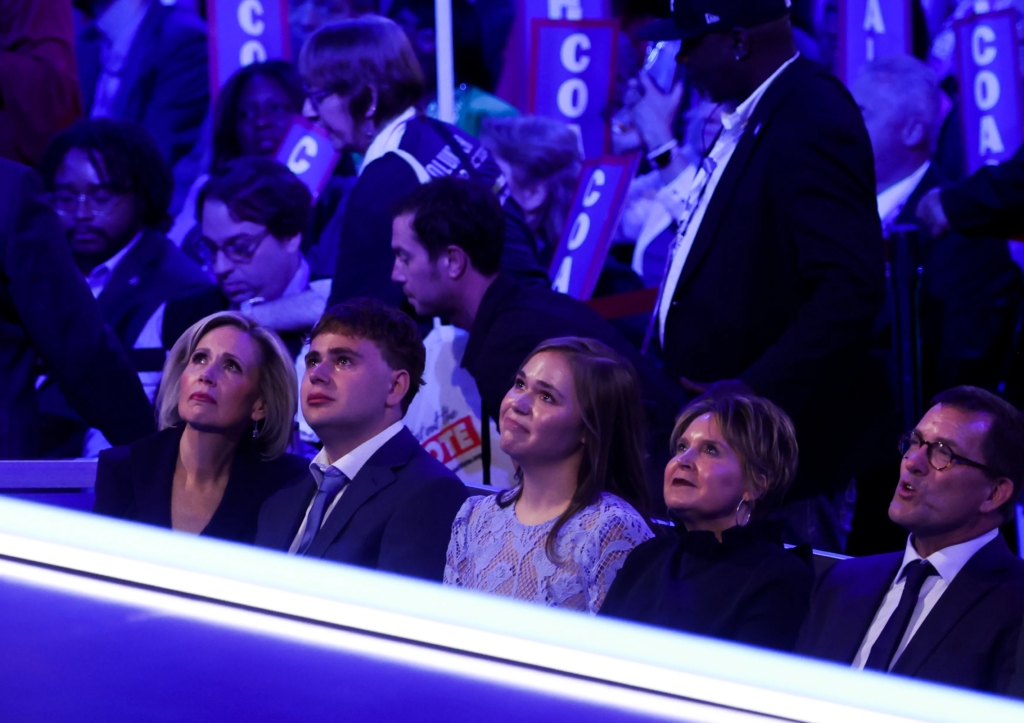
One reason Gus Walz made such a lasting impression on audiences is because he represented authenticity during a highly choreographed political event. Political conventions are usually filled with rehearsed speeches, scripted applause, and carefully controlled imagery. Against that backdrop, Gus’s emotional reaction felt refreshingly real and unscripted.
Viewers often respond strongly to moments that feel emotionally honest because authenticity creates trust and relatability. The reaction was not polished for cameras or delivered as part of a campaign strategy. Instead, it reflected a son feeling overwhelming pride for his father. That emotional sincerity became the defining quality that people remembered long after the convention ended.
Gus also challenged traditional stereotypes surrounding masculinity and emotional expression. In many cultures, boys are often discouraged from crying publicly or expressing vulnerability openly. Yet millions of viewers praised Gus precisely because he displayed emotion without shame. Many commentators described the moment as healthy, compassionate, and emotionally mature.
The story resonated especially strongly with parents and families because it highlighted the importance of emotional connection within households. The interaction between Gus and Tim Walz reflected a relationship built on encouragement, support, and mutual pride. In an increasingly polarized political environment, the moment reminded viewers that deeply human experiences can still unite people emotionally regardless of political differences.
The Lasting Impact of Gus Walz’s Story
Although Gus Walz never sought national attention, his brief appearance at the Democratic National Convention created a lasting cultural impact. What began as a simple emotional reaction evolved into a much larger conversation about neurodiversity, parenting, mental health, emotional vulnerability, and authenticity in public life. Millions of people who had never heard of nonverbal learning disorder before suddenly became interested in understanding it better.
The story also demonstrated the power of representation. For many neurodivergent teenagers and families, seeing Gus embraced positively on a national stage carried enormous emotional significance. Instead of being portrayed negatively or treated as an object of pity, he was viewed by many people as compassionate, genuine, and inspiring. That representation helped challenge stereotypes surrounding learning differences and emotional expression.
Political moments often fade quickly from public memory, but certain emotional images remain culturally significant for years. Gus Walz standing in the crowd, proudly cheering for his father with tears in his eyes, became one of those lasting images. It symbolized family love, emotional honesty, and the importance of accepting people for who they are.
As discussions about neurodiversity and mental health continue evolving in American society, the story of Gus Walz will likely remain part of that conversation. His unexpected viral moment encouraged empathy, understanding, and awareness among millions of people. In a time when political discourse often feels divisive and emotionally distant, Gus Walz reminded audiences that authenticity and human connection still possess extraordinary power.


Leave a Comment