Dolphin Radar: Understanding the Technology Behind Modern Dolphin Detection
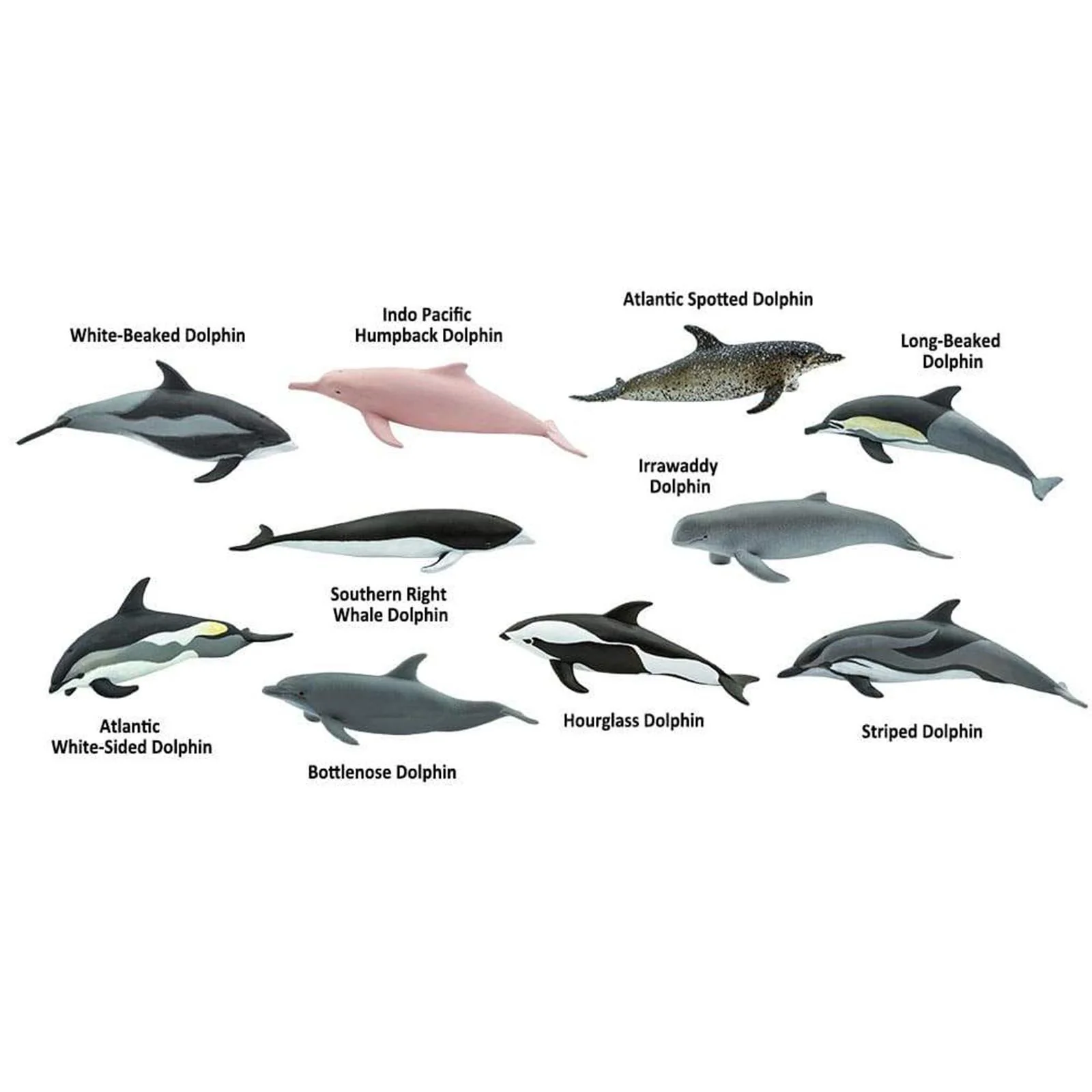
Dolphin radar is a term that has gained attention in recent years among marine researchers, conservation organizations, maritime professionals, and technology enthusiasts. Although dolphins themselves do not produce radar signals, the phrase generally refers to radar-assisted monitoring systems, integrated marine surveillance technologies, and advanced detection methods used to identify, track, and study dolphins in coastal and offshore environments. Modern dolphin radar solutions often combine traditional marine radar with artificial intelligence, acoustic sensors, satellite positioning, and image recognition software to provide researchers with a more complete understanding of dolphin movements and behavior.
The growing interest in dolphin radar reflects the increasing importance of marine conservation. Dolphins play a significant role in maintaining healthy ocean ecosystems, making their protection a global priority. As shipping traffic, offshore construction, fishing activities, and climate change continue to affect marine habitats, scientists need accurate tools that can monitor dolphin populations without disturbing their natural behavior. Today, radar-based monitoring systems have become valuable components of marine research, supporting conservation efforts while improving maritime safety and environmental management.
What Is Dolphin Radar and Why Is It Important?
The term dolphin radar commonly describes technologies that help locate, monitor, or analyze dolphins using radar alongside complementary detection systems. Conventional marine radar alone cannot reliably identify dolphins because they spend much of their time below the water’s surface. However, when radar data is integrated with thermal imaging cameras, underwater hydrophones, GPS tracking, drones, and artificial intelligence, researchers can identify movement patterns that strongly indicate dolphin activity. These combined technologies have significantly improved the accuracy of marine wildlife monitoring over the past decade.
The importance of dolphin radar extends beyond scientific curiosity. Governments, environmental organizations, shipping companies, and offshore energy developers rely on accurate marine wildlife monitoring to reduce collisions with dolphins and minimize human impact on sensitive habitats. Reliable detection systems also support environmental impact assessments before construction projects begin, helping organizations comply with conservation regulations while protecting vulnerable marine ecosystems.
How Dolphin Radar Technology Works
Modern dolphin radar systems operate by combining several technologies rather than relying on radar alone. Marine radar continuously scans the ocean surface for movement, while machine learning software analyzes radar returns for patterns associated with marine mammals. At the same time, underwater acoustic sensors detect dolphin whistles, clicks, and echolocation sounds, providing additional confirmation of nearby animals. High-resolution cameras and infrared imaging further improve identification during both daylight and nighttime operations.
Artificial intelligence has transformed dolphin monitoring by processing thousands of radar observations much faster than human analysts. Instead of requiring researchers to manually examine every radar image, AI models automatically recognize movement characteristics, environmental conditions, and behavioral patterns that may indicate dolphin presence. This reduces false detections caused by waves, floating debris, or boats while increasing the overall efficiency of marine surveys. As computing power continues to improve, these intelligent monitoring systems are expected to become even more accurate and accessible for conservation projects worldwide.
The Evolution of Dolphin Monitoring Methods
Historically, scientists relied almost entirely on visual surveys conducted from research vessels or aircraft to study dolphin populations. Although these methods produced valuable scientific information, they were expensive, weather-dependent, and limited by human observation. Researchers often struggled to collect continuous data because dolphins frequently dive beneath the surface, making them difficult to monitor for extended periods.
Technological innovation has dramatically changed this situation. Modern dolphin radar systems now work alongside satellite navigation, unmanned aerial vehicles, underwater acoustic networks, and automated image analysis software. These advancements allow researchers to gather continuous information throughout the day and night, even under challenging weather conditions. Long-term monitoring has become more practical, providing valuable insights into migration routes, feeding behavior, habitat preferences, and seasonal population changes. The combination of radar technology and digital data analysis has created new opportunities for marine biology, conservation planning, and environmental research that were previously impossible using traditional observation techniques.
Applications of Dolphin Radar in Marine Conservation
One of the most valuable applications of dolphin radar is supporting marine conservation programs. Conservation scientists use integrated monitoring systems to identify critical habitats where dolphins feed, breed, and socialize. Accurate location data enables authorities to establish protected marine areas and develop management strategies that reduce human disturbance. Continuous monitoring also helps researchers evaluate whether conservation measures are successfully protecting local dolphin populations over time.
Dolphin radar technology also contributes to responsible maritime operations. Commercial shipping routes, offshore wind farms, oil and gas platforms, and fishing activities can all affect marine mammals if not carefully managed. By providing near real-time information about dolphin activity, advanced monitoring systems allow operators to adjust vessel speeds, delay noisy construction work, or temporarily modify operations when dolphins are present. These proactive measures help reduce underwater noise pollution, minimize collision risks, and promote a healthier balance between economic development and marine biodiversity.
The Role of Artificial Intelligence in Dolphin Radar Systems
Artificial intelligence has become one of the most significant advancements in dolphin radar technology. Traditional monitoring methods generated enormous amounts of radar, acoustic, and visual data that required researchers to spend countless hours reviewing recordings manually. Modern AI-powered software can process these datasets automatically, identifying movement patterns, vocalizations, and environmental conditions that indicate the presence of dolphins. Machine learning algorithms improve over time as they analyze additional observations, making the detection process increasingly accurate while reducing false alarms caused by waves, birds, or other marine traffic.
The integration of AI with radar and underwater sensors also enables near real-time monitoring. Research teams can receive immediate notifications when dolphins enter a designated area, allowing them to respond quickly during scientific surveys or conservation operations. This capability is especially valuable near busy shipping lanes, offshore construction sites, and protected marine reserves where rapid decision-making can reduce disturbances and improve dolphin safety. As AI technology continues to evolve, it is expected to play an even greater role in marine biodiversity monitoring and ecosystem management.
Dolphin Radar in Scientific Research and Marine Biology
Marine biologists use dolphin radar systems to gain a deeper understanding of dolphin behavior, migration routes, social interactions, and habitat preferences. Continuous monitoring provides valuable long-term datasets that reveal seasonal changes in dolphin distribution, breeding activity, feeding grounds, and responses to environmental conditions. Unlike occasional field observations, integrated radar systems allow researchers to collect information throughout the day and night, creating a more complete picture of dolphin populations over extended periods.
The information gathered through dolphin radar contributes to a wide range of scientific studies. Researchers analyze collected data to evaluate population trends, assess the effects of climate change, measure habitat quality, and understand how dolphins interact with commercial shipping, fishing operations, and coastal development. These findings support evidence-based conservation strategies and help policymakers create regulations that protect marine mammals while balancing economic activities in coastal and offshore waters.
Challenges and Limitations of Dolphin Radar Technology
Despite its many advantages, dolphin radar technology still faces several technical and environmental challenges. Dolphins spend much of their lives underwater, limiting the effectiveness of conventional surface radar alone. Weather conditions such as heavy rain, strong winds, rough seas, and dense fog can also reduce radar performance and make marine observations more difficult. For this reason, researchers rarely rely on radar as a standalone solution and instead combine it with hydrophones, thermal cameras, satellite positioning systems, and drone-based imaging to improve overall detection accuracy.
Another challenge involves the cost and complexity of deploying advanced monitoring systems. High-quality radar equipment, underwater acoustic networks, artificial intelligence software, and data processing infrastructure require significant investment and specialized expertise. Smaller research organizations may have limited resources to implement comprehensive monitoring programs. However, continuing technological innovation is gradually reducing equipment costs while improving system reliability, making sophisticated dolphin monitoring solutions more accessible to conservation groups and research institutions around the world.
The Future of Dolphin Radar and Marine Conservation
The future of dolphin radar technology is closely linked to ongoing advancements in artificial intelligence, remote sensing, cloud computing, and autonomous marine systems. Researchers are developing smarter monitoring platforms capable of integrating radar, sonar, satellite imagery, underwater robotics, and environmental sensors into a single ecosystem. These connected technologies will provide more accurate, continuous observations of dolphin populations while reducing the need for constant human supervision. Improved data sharing between scientific organizations will also strengthen international conservation efforts and expand knowledge of marine ecosystems.
Future dolphin radar systems are expected to support predictive conservation by identifying environmental conditions that influence dolphin movements before they occur. Advanced analytics may help forecast migration patterns, detect habitat changes, and evaluate potential risks from shipping traffic, underwater noise, and climate-related events. As governments, universities, and environmental organizations continue investing in marine research, dolphin radar will remain an essential tool for protecting marine biodiversity, supporting sustainable ocean management, and ensuring that future generations can continue to study and appreciate healthy dolphin populations.
Why Dolphin Radar Matters for the Future of Ocean Protection
As human activity continues to expand across the world’s oceans, technologies that support responsible marine management have become increasingly important. Dolphin radar represents more than a single detection tool; it reflects the growing integration of radar systems, artificial intelligence, underwater acoustics, satellite positioning, and advanced imaging into a unified approach for monitoring marine wildlife. By providing continuous and non-invasive observations, these technologies enable scientists to better understand dolphin populations while reducing the risks associated with traditional monitoring methods. More reliable data also improves collaboration between researchers, governments, conservation organizations, and industries that operate in marine environments.
The continued development of dolphin radar will play a vital role in balancing economic growth with environmental responsibility. As monitoring systems become more accurate, affordable, and widely available, they will contribute to better conservation planning, improved maritime safety, and stronger protection for marine biodiversity. Although no technology can replace comprehensive environmental management, dolphin radar provides an important scientific foundation for informed decision-making. Its ongoing evolution demonstrates how innovation can support both marine research and sustainable ocean stewardship, ensuring that dolphins and other marine species receive greater protection in an increasingly complex world.
Frequently Asked Questions
Dolphin radar is a general term used to describe integrated monitoring technologies that help detect, track, and study dolphins. Rather than relying solely on traditional marine radar, these systems often combine radar data with underwater acoustic sensors, thermal cameras, drones, GPS technology, and artificial intelligence to improve detection accuracy.
Conventional marine radar has limited ability to detect dolphins because they spend most of their time beneath the water’s surface. However, dolphins may occasionally be identified when they surface, especially when radar observations are combined with other monitoring technologies that confirm their presence.
Artificial intelligence analyzes large volumes of radar, acoustic, and visual data much faster than manual observation. Machine learning algorithms recognize movement patterns and environmental signals associated with dolphins, reducing false detections while improving monitoring efficiency and supporting real-time conservation efforts.
Who uses dolphin radar technology?
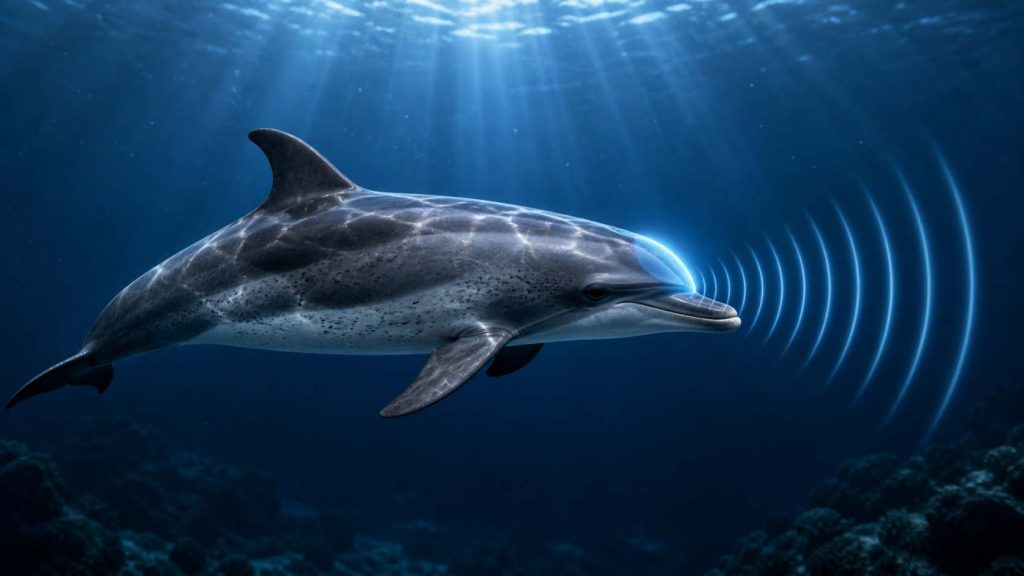
Dolphin radar is used by marine biologists, environmental researchers, government agencies, conservation organizations, universities, offshore energy companies, maritime authorities, and environmental consultants. These organizations use monitoring systems to study dolphin behavior, assess environmental impacts, and support marine conservation programs.
Why is dolphin monitoring important?
Monitoring dolphin populations helps scientists understand migration routes, breeding behavior, habitat use, and population trends. This information supports conservation planning, protects sensitive marine ecosystems, reduces conflicts between wildlife and human activities, and contributes to sustainable ocean management.
Conclusion
Dolphin radar has become an increasingly valuable component of modern marine research and conservation. By combining radar technology with artificial intelligence, underwater acoustics, satellite positioning, thermal imaging, and advanced data analysis, researchers can monitor dolphin populations with greater precision than ever before. These integrated systems provide continuous insights into dolphin behavior, migration, habitat use, and environmental changes while minimizing disturbance to marine life.
As technology continues to evolve, dolphin radar will remain an essential resource for scientists, conservation organizations, and maritime industries seeking to protect marine ecosystems. Better monitoring leads to better scientific understanding, stronger environmental policies, and more effective conservation strategies. Although challenges such as equipment costs and environmental limitations still exist, ongoing innovation continues to improve the accuracy, accessibility, and practical value of dolphin radar. Ultimately, these advancements contribute to healthier oceans and a more sustainable future for dolphins and countless other marine species that depend on balanced and protected marine environments.



Leave a Comment