LifeProof LVP Flooring Guide for Modern Homes
Introduction to LifeProof LVP Flooring
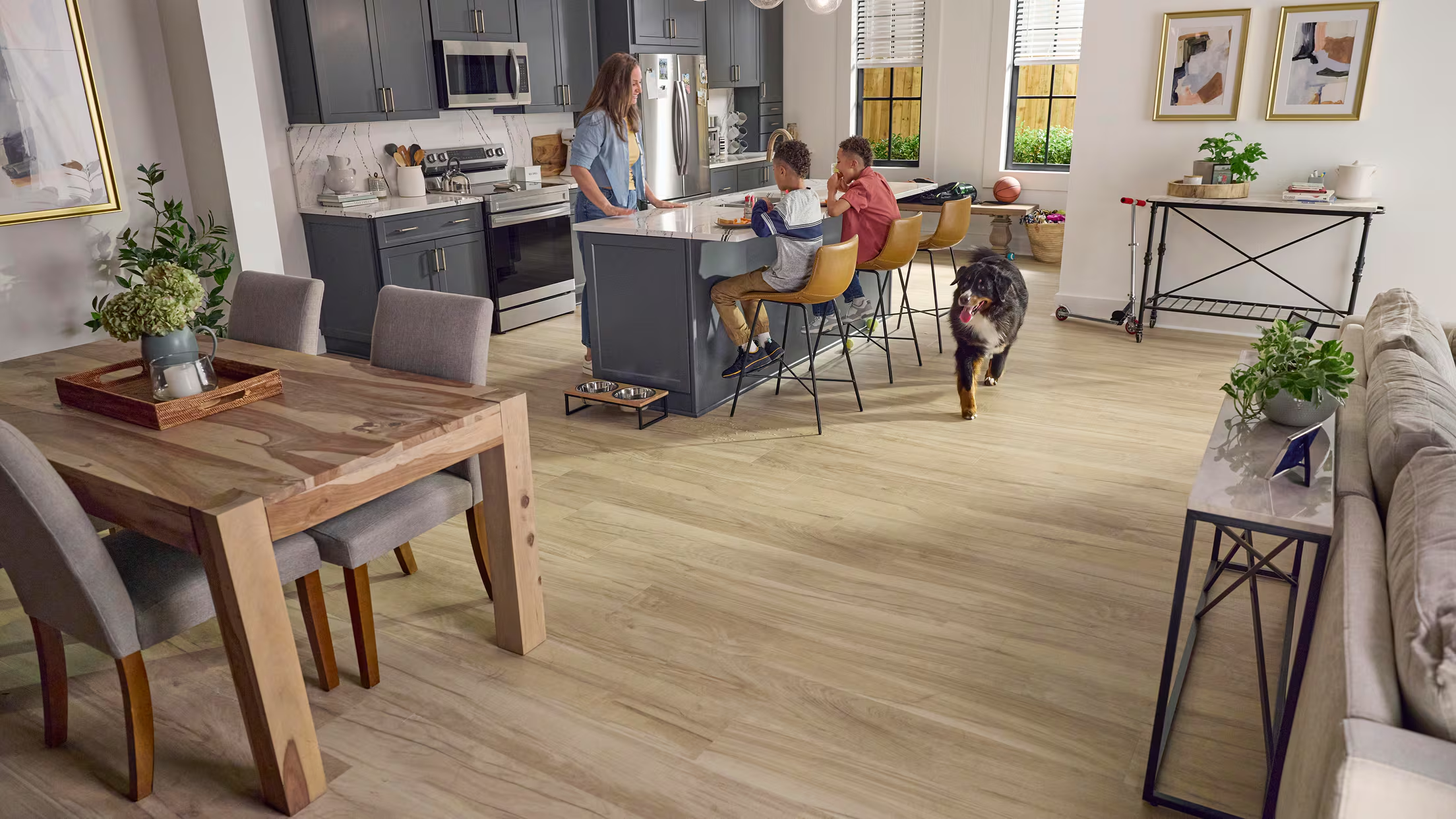
LifeProof LVP flooring has become one of the most popular waterproof flooring options for modern homes because it combines durability, affordability, and stylish wood-look designs in a single product. LVP stands for luxury vinyl plank, a flooring category designed to replicate the appearance of hardwood while offering better moisture resistance and easier maintenance. LifeProof flooring, sold mainly through Home Depot, has gained strong recognition among homeowners, DIY renovators, landlords, and interior designers who want practical flooring solutions without sacrificing aesthetics.
The rise of luxury vinyl plank flooring reflects changing priorities in home design and renovation. Many homeowners love the appearance of hardwood flooring but worry about scratches, water damage, and expensive maintenance costs. LifeProof LVP addresses these concerns by offering rigid-core waterproof construction that can withstand spills, pet accidents, moisture exposure, and heavy foot traffic. Keywords such as waterproof vinyl plank flooring, rigid core flooring, wood-look vinyl floors, luxury vinyl flooring, and SPC vinyl plank flooring are commonly associated with LifeProof because they represent the product’s strongest features.
Another reason for the popularity of LifeProof flooring is accessibility. Since Home Depot heavily markets and stocks the brand, consumers can easily explore different colors, textures, plank widths, and finish styles in local stores and online. This retail visibility introduced millions of homeowners to modern luxury vinyl flooring technology and helped transform vinyl from a low-cost alternative into a premium flooring category suitable for kitchens, bathrooms, living rooms, basements, and entire homes.
What Makes LifeProof LVP Different From Traditional Flooring
LifeProof LVP flooring differs from traditional hardwood, laminate, and tile flooring because of its engineered waterproof construction. Hardwood flooring contains natural wood that can expand, contract, or warp when exposed to moisture. Laminate flooring often uses fiberboard cores that swell after water exposure. LifeProof luxury vinyl plank flooring avoids these issues by using rigid-core vinyl technology that resists water penetration and structural instability.
The waterproof capability of LifeProof flooring became one of its biggest selling points. Modern households frequently deal with spills, muddy shoes, pet accidents, and humidity changes that can damage traditional flooring materials. LifeProof products are specifically designed to survive these challenges while maintaining their appearance. This makes them especially attractive for busy families, pet owners, rental properties, and households with children.
Another major advantage is comfort and convenience. Tile floors can feel cold and hard underfoot, while hardwood often requires careful maintenance and refinishing. LifeProof LVP provides a softer walking surface and easier daily maintenance. Many product lines also include attached underlayment that helps reduce sound transfer and improves comfort. These practical benefits helped LifeProof flooring become a leading option for modern homeowners seeking low-maintenance flooring solutions with premium visual appeal.
Construction and Technology Behind LifeProof Flooring
LifeProof flooring is built using multiple engineered layers that work together to create strength, waterproof protection, and realistic wood visuals. Most LifeProof luxury vinyl plank products use SPC rigid-core technology, which stands for stone plastic composite. This dense core material improves dimensional stability and helps prevent expansion or warping caused by moisture and temperature fluctuations.
The top layer of the flooring includes a protective wear layer designed to resist scratches, dents, stains, and daily wear. This layer plays a major role in long-term durability because it shields the printed design beneath from damage. Below the wear layer is the decorative image layer, which uses advanced printing technology to mimic hardwood textures and grain patterns. Modern printing methods have improved significantly, allowing LifeProof flooring to look surprisingly realistic even in close-up viewing conditions.
The lower structural layers provide stability and support for the locking system. Many LifeProof products also include attached underlayment that improves acoustic performance and installation comfort. These engineering improvements helped luxury vinyl flooring evolve far beyond older sheet vinyl products associated with past decades. Today’s LifeProof flooring is marketed as a premium flooring solution capable of competing visually with real hardwood while outperforming it in moisture-prone environments.
Why Waterproof Flooring Became So Popular
Waterproof flooring has become one of the biggest trends in home renovation because modern homeowners prioritize practicality alongside design. Open floor plans, active family lifestyles, pets, and increased kitchen-centered living created demand for flooring materials that could survive everyday accidents without constant maintenance concerns. LifeProof LVP became especially successful because it addressed these lifestyle needs while still offering stylish wood-look visuals.
Kitchens and bathrooms played a major role in the growth of waterproof flooring demand. Traditional hardwood flooring can be risky in these areas because moisture exposure may lead to swelling, staining, or permanent warping. LifeProof luxury vinyl plank flooring allows homeowners to maintain a consistent flooring appearance throughout the house without changing materials between rooms. This seamless visual flow became highly desirable in modern interior design.
Basements also contributed significantly to the popularity of waterproof vinyl flooring. Basements often experience humidity fluctuations or occasional moisture problems that make hardwood flooring risky. LifeProof LVP offers a safer alternative because it handles moisture exposure more effectively. Keywords such as basement flooring ideas, waterproof kitchen flooring, vinyl plank for bathrooms, pet-friendly flooring, and moisture-resistant flooring naturally became associated with LifeProof products because they represent common use cases for modern waterproof flooring systems.
Installation Process and DIY Flooring Appeal
One of the biggest reasons homeowners choose LifeProof LVP flooring is the relatively simple installation process. Most LifeProof flooring products use click-lock installation systems that allow planks to snap together without glue or nails. This floating floor method significantly reduces installation complexity compared to hardwood or tile flooring, making it attractive for DIY home renovation projects.
Although the locking system itself is designed for simplicity, successful installation still depends heavily on proper preparation. Flooring professionals consistently emphasize that subfloor leveling is critical because uneven surfaces can cause plank movement, locking failures, or visible gaps over time. Homeowners who carefully prepare the subfloor generally experience better long-term results and fewer performance issues after installation.
Acclimation is another important part of the process. LifeProof flooring should remain inside the installation environment for a period before installation so the planks can adjust to room temperature and humidity. Expansion gaps around walls and fixed structures are also essential because all floating floors require slight movement space during seasonal changes. Many negative customer experiences reported online stem from rushed installations or improper preparation rather than flaws in the flooring material itself.
Durability and Everyday Performance of LifeProof LVP
Durability is one of the strongest selling points of LifeProof flooring. The wear layer helps protect against scratches, stains, dents, and everyday household traffic, making the flooring suitable for busy homes with pets and children. Many homeowners specifically choose LifeProof because they want flooring capable of surviving active lifestyles without showing immediate wear.
Pet owners often prefer LifeProof flooring because it resists moisture and cleans more easily than carpet or hardwood. Pet accidents can quickly damage wood flooring or leave permanent carpet stains, but waterproof vinyl plank flooring provides greater resistance against these problems. Families with children also appreciate the flooring’s ability to handle spills, dropped objects, and constant foot traffic with less maintenance stress.
Real-world experiences with LifeProof flooring vary depending on installation quality and usage conditions. Many homeowners report excellent long-term satisfaction, especially in moisture-prone areas like kitchens and basements. However, some users mention issues such as seam separation, scratches from sharp objects, or movement caused by uneven subfloors. Proper installation, careful maintenance, and realistic expectations play important roles in overall satisfaction with luxury vinyl plank flooring products.
Design Options and Interior Style Trends
LifeProof LVP flooring became highly successful partly because of its wide variety of realistic wood-inspired designs. Consumers can choose from styles resembling oak, walnut, maple, hickory, pine, and rustic reclaimed wood finishes. This broad design selection allows homeowners to match flooring with modern, farmhouse, industrial, minimalist, or traditional interior aesthetics.
Color trends within the luxury vinyl plank market have evolved significantly over the years. Gray-toned flooring became extremely popular during the late 2010s, while warmer natural wood tones gained popularity more recently. Matte finishes, textured surfaces, and wide plank formats help create more authentic wood-like appearances. Many homeowners choose LifeProof flooring because it captures modern design trends without the high cost associated with premium hardwood flooring.
Texture technology also improved significantly in modern vinyl flooring. Embossed surfaces create realistic grain patterns that enhance the visual illusion of real wood. Some collections intentionally include plank variation to avoid repetitive patterns and improve realism. Keywords such as modern vinyl flooring, wood-look waterproof floors, rustic luxury vinyl plank, farmhouse flooring ideas, and contemporary waterproof flooring are frequently connected to LifeProof because the brand strongly focuses on design-driven aesthetics.
Common Problems and Customer Complaints
Although LifeProof flooring receives many positive reviews, customers occasionally report problems related to installation, locking systems, and long-term wear. One of the most common complaints involves plank separation caused by uneven subfloors or improper expansion spacing. Floating floors require extremely flat surfaces, and even small inconsistencies can affect long-term stability.
Another issue sometimes mentioned by users involves scratching or denting from heavy furniture and sharp objects. While LifeProof flooring is durable, it is not completely scratch-proof. Dragging heavy furniture or dropping sharp items can still damage the wear layer. Using furniture pads and avoiding abrasive cleaning tools helps preserve the flooring’s appearance over time.
Cleaning concerns are also common discussion topics online. Some homeowners report streaking, haze, or visible footprints depending on lighting conditions and cleaning products used. Experts generally recommend pH-neutral vinyl floor cleaners and microfiber mops for best results. Steam mops and harsh chemicals are usually discouraged because they may weaken adhesives or damage protective coatings. Despite these complaints, many homeowners still consider LifeProof one of the better-value waterproof flooring options available in large retail stores.
LifeProof Flooring and Modern Home Renovation Trends
LifeProof LVP flooring fits perfectly into several major home renovation trends shaping the housing market today. Open floor plans remain highly popular, encouraging homeowners to use consistent flooring materials throughout kitchens, living rooms, dining spaces, and hallways. Waterproof luxury vinyl plank flooring makes this design approach easier because it performs well across different environments.
Remote work trends also influenced flooring choices. As more people spend time working from home, comfort, durability, and aesthetics became increasingly important. Homeowners want attractive floors that look professional during video calls while also handling daily family activity. LifeProof flooring appeals to these needs by combining realistic wood visuals with practical maintenance advantages.
Rental property renovations also contributed significantly to the growth of LifeProof flooring. Landlords and property managers often prefer durable waterproof flooring because it reduces maintenance costs and improves long-term performance between tenants. Carpet replacement expenses, hardwood repairs, and water damage risks can be minimized with properly installed luxury vinyl plank flooring. This practical value helped LifeProof become one of the most commonly recommended flooring options for investment properties and budget-conscious renovations.
Cleaning and Maintaining LifeProof LVP Flooring
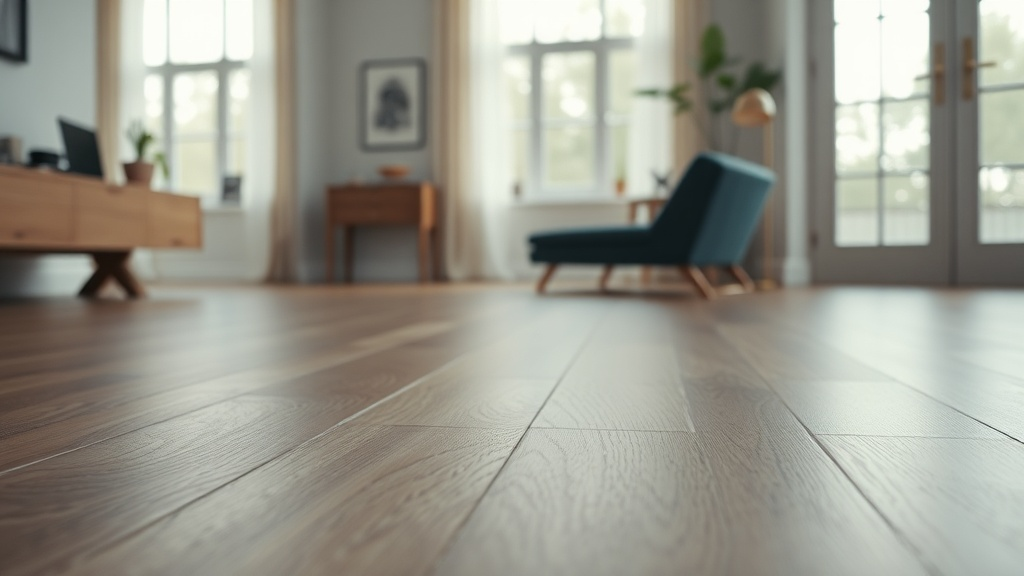
Maintaining LifeProof flooring is relatively simple compared to hardwood or carpet. Daily cleaning usually involves sweeping, vacuuming, or damp mopping to remove dust and debris. Since the flooring is waterproof, occasional spills are generally not a serious concern as long as standing water is cleaned within a reasonable timeframe.
Using appropriate cleaning products is important for preserving the wear layer and maintaining visual appearance. Many flooring experts recommend avoiding bleach, ammonia-based cleaners, waxes, abrasive scrubbers, and steam mops because these products may damage the protective finish over time. Microfiber mops and pH-neutral cleaners are generally considered safest for regular maintenance.
Furniture protection also plays an important role in long-term durability. Felt pads under chairs, tables, and couches help prevent scratches and dents during daily movement. Area rugs in high-traffic areas may reduce wear and improve comfort. Although LifeProof flooring is designed for durability, proper maintenance habits significantly affect how well the flooring looks after years of use.
Is LifeProof LVP Flooring Worth Buying in 2026?
LifeProof LVP flooring remains one of the most popular waterproof flooring options in 2026 because it successfully combines style, durability, affordability, and ease of installation. For homeowners seeking practical flooring capable of handling moisture, pets, children, and busy daily life, LifeProof continues to offer strong overall value. Its realistic wood-look visuals allow homeowners to achieve modern interior aesthetics without the high costs and maintenance demands associated with natural hardwood.
The flooring is not perfect for every situation. Consumers expecting the longevity of solid hardwood or those with severely uneven subfloors may encounter limitations. Installation quality remains one of the biggest factors affecting long-term satisfaction. Homeowners who invest time in proper preparation and maintenance usually report better experiences compared to rushed DIY projects with poor subfloor conditions.
As waterproof flooring technology continues evolving, LifeProof remains highly competitive within the luxury vinyl plank market. The brand helped introduce millions of consumers to modern waterproof flooring systems and continues influencing home renovation trends across kitchens, bathrooms, basements, and entire living spaces. For many modern households, LifeProof LVP represents one of the most practical and visually appealing flooring investments available today.

Leave a Comment