RTI Scheduler: Complete Guide to Response to Intervention Scheduling, Benefits, and Best Practices
What Is an RTI Scheduler?
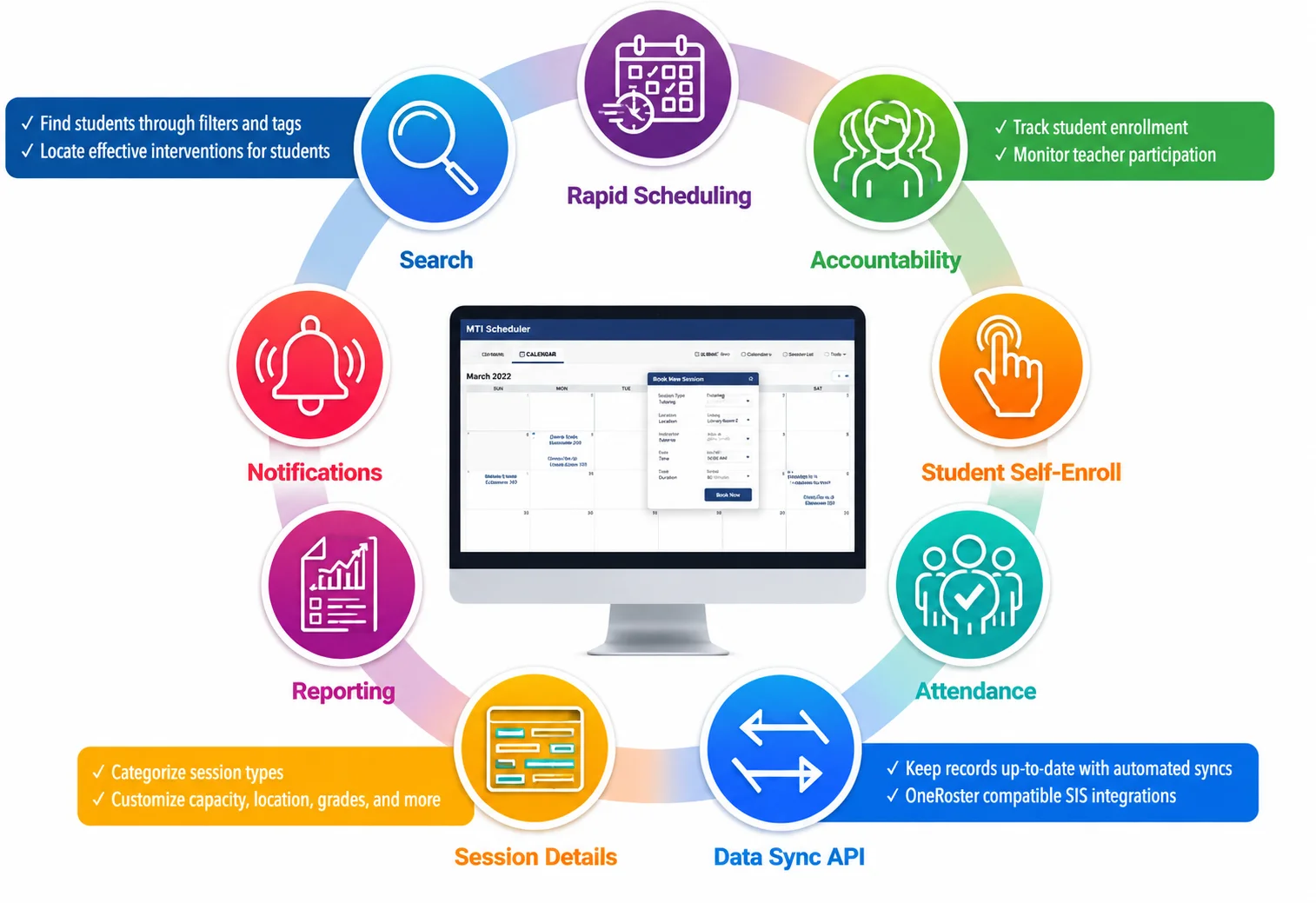
An RTI Scheduler is a planning system or digital tool designed to help schools organize Response to Intervention (RTI) programs effectively. RTI, also known as Response to Intervention, is an educational framework that helps identify students who need additional academic support and provides targeted interventions based on their individual learning needs. An RTI Scheduler helps teachers, intervention specialists, and administrators manage student groups, intervention times, progress monitoring schedules, and instructional resources.
The main purpose of an RTI Scheduler is to simplify the complex process of coordinating intervention services. In many schools, multiple students require different levels of support, and teachers need to balance classroom instruction with small-group intervention sessions. Without a structured scheduling system, it can become difficult to ensure every student receives the right support at the right time.
Modern RTI scheduling solutions are often connected with broader educational approaches such as Multi-Tiered System of Supports (MTSS), student success planning, and data-driven instruction. These systems help schools create organized intervention blocks, commonly known as WIN time or “What I Need” time, where students receive targeted instruction without missing important classroom learning.
Understanding the RTI Framework and Its Importance
Response to Intervention is an educational model focused on early identification and support for students who may be struggling academically. Instead of waiting for students to fail before receiving help, RTI allows schools to provide interventions quickly based on assessment data, classroom performance, and ongoing progress monitoring.
The RTI framework is usually organized into multiple levels or tiers of support. Tier 1 includes high-quality instruction provided to all students in the general classroom environment. Tier 2 provides additional small-group instruction for students who need extra practice or targeted assistance. Tier 3 offers more intensive and individualized support for students with significant learning challenges.
An effective RTI Scheduler helps schools manage these different intervention tiers by organizing student groups, assigning staff members, and creating schedules that maximize instructional time. It ensures that intervention plans are not just created but actually implemented consistently throughout the school year.
How an RTI Scheduler Works in Schools
An RTI Scheduler typically works by collecting important information about students, teachers, available intervention periods, and academic needs. Schools use data from assessments, classroom observations, and progress reports to determine which students require support and what type of intervention is appropriate.
Once student needs are identified, the scheduler helps organize intervention groups. For example, students with similar reading difficulties may be placed together for a targeted literacy session, while students needing math support may receive a separate intervention period. This organization helps teachers deliver focused instruction rather than using a one-size-fits-all approach.
The scheduling process also considers teacher availability, classroom schedules, and school-wide routines. A good RTI scheduling system prevents conflicts by ensuring students do not miss essential instruction and that intervention staff can work efficiently with assigned groups.
The Connection Between RTI Scheduler and MTSS
RTI and MTSS are closely connected educational frameworks that focus on supporting students through multiple levels of assistance. While RTI traditionally focuses on academic intervention and progress monitoring, MTSS expands the approach to include academic, behavioral, and social-emotional support.
An RTI Scheduler often becomes a valuable part of an MTSS system because it helps schools coordinate services across different areas. Administrators can use scheduling tools to track intervention plans, monitor student progress, and make adjustments when students need different levels of support.
By combining RTI scheduling with MTSS practices, schools can create a more complete support structure. This approach encourages collaboration among teachers, counselors, specialists, and families while ensuring students receive timely assistance.
Benefits of Using an RTI Scheduler
One of the biggest benefits of an RTI Scheduler is improved organization. Schools often have many moving parts, including classroom instruction, intervention groups, teacher responsibilities, and student schedules. A structured scheduling system reduces confusion and helps educators focus more on teaching rather than managing complicated calendars.
Another major advantage is better use of instructional time. Intervention periods can easily become inconsistent when they are planned manually. An RTI Scheduler creates dedicated intervention blocks that allow teachers to provide regular support and maintain continuity for students who need additional help.
RTI scheduling also improves collaboration between educators. Teachers can share information about student progress, adjust groups when needed, and communicate more effectively. This teamwork helps create a stronger academic support system where decisions are based on student needs.
RTI Scheduler and Data-Driven Instruction
Data plays a central role in successful RTI programs. Schools collect information from reading assessments, math evaluations, classroom assignments, and progress monitoring tools to determine whether interventions are working. An RTI Scheduler helps connect this data with practical scheduling decisions.
For example, if progress monitoring shows that a student is improving, the intervention team may adjust the level of support or move the student to a different group. If a student is not making expected progress, educators can increase intervention intensity or change instructional strategies.
Data-driven RTI scheduling ensures that interventions remain flexible. Instead of placing students into fixed groups for an entire year, schools can regularly review performance and update schedules according to changing academic needs.
Features of a Modern RTI Scheduling System
A modern RTI Scheduler may include several features designed to make intervention planning easier. Many systems allow educators to create student profiles, organize intervention groups, assign staff, track schedules, and record progress information in one place.
Digital RTI scheduling platforms can also provide calendars, reminders, reporting tools, and communication features. These tools help administrators understand how intervention programs are operating and identify areas where improvements may be needed.
The most effective RTI scheduling systems are user-friendly and adaptable. Every school has different needs, so a flexible scheduler allows educators to customize intervention periods, group sizes, and support plans based on their specific environment.
Challenges in RTI Scheduling and How Schools Solve Them
Although RTI scheduling provides many benefits, creating effective intervention schedules can still be challenging. Schools may struggle with limited staff availability, crowded timetables, changing student needs, and balancing intervention time with regular classroom instruction.
One common challenge is ensuring that students receive support without missing important lessons. Poorly planned schedules can accidentally cause students to fall behind in other subjects. An effective RTI Scheduler helps solve this issue by analyzing schedules and creating intervention periods that fit naturally into the school day.
Another challenge is keeping intervention groups updated. Student needs change over time, so schedules must be reviewed regularly. Schools that use data meetings and progress monitoring can adjust groups and provide more effective support.
The Future of RTI Scheduling in Education

The future of RTI scheduling is likely to become more connected with educational technology, automation, and personalized learning systems. As schools continue adopting digital tools, RTI Schedulers may become more advanced in helping educators analyze student data and recommend intervention strategies.
Technology can help reduce administrative workload by automating parts of the scheduling process. Instead of manually organizing hundreds of student and teacher combinations, digital systems can help identify scheduling opportunities and potential conflicts.
However, technology remains a support tool rather than a replacement for teacher expertise. Successful RTI programs depend on educators understanding their students, choosing appropriate interventions, and using scheduling systems as a way to improve organization and decision-making.
Final Thoughts on RTI Scheduler
An RTI Scheduler is an important tool for schools looking to create organized, effective, and student-focused intervention programs. By helping educators manage intervention groups, schedules, and progress monitoring, it supports the larger goal of helping every student succeed.
The success of an RTI Scheduler depends on how effectively schools use it. A good system combines accurate data, teacher collaboration, flexible planning, and regular evaluation. When these elements work together, RTI scheduling becomes more than a calendar tool; it becomes part of a complete strategy for improving student outcomes.
As education continues to evolve, RTI Schedulers will remain valuable for schools focused on personalized learning, early support, and creating stronger pathways for academic achievement.


Leave a Comment