Caitlin Clark Injury: Full Story, Recovery Updates, and Impact on Her WNBA Career
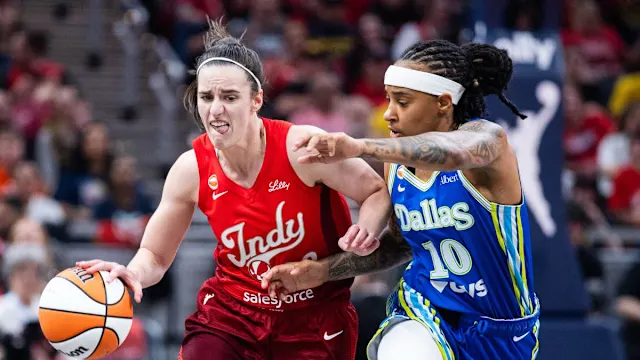
Caitlin Clark injury entered professional basketball with enormous expectations, record-breaking popularity, and the pressure of becoming the new face of women’s basketball. After a legendary college career at the University of Iowa, Clark quickly transformed the attention around the WNBA and became one of the most talked-about athletes in sports. Her elite shooting range, passing ability, leadership, and competitiveness made her a global basketball sensation. Clark Injury However, during the 2025 WNBA season, Clark faced one of the toughest challenges of her career when multiple injuries disrupted her momentum and forced her to miss significant time.
The Caitlin Clark injury story became one of the biggest headlines in the WNBA because fans were not used to seeing her sidelined. Throughout college, Clark had been remarkably durable despite playing heavy minutes and carrying enormous offensive responsibility. When reports of a quadriceps strain, groin injuries, and lower-body soreness surfaced during the 2025 season, concern spread across the basketball world. Searches for terms like “Caitlin Clark injury update,” “Caitlin Clark groin injury,” “Indiana Fever injury news,” and “Caitlin Clark return date” rapidly increased as fans followed every development closely.Caitlin Clark Injury
Caitlin Clark’s Transition From College Basketball to the WNBA
Clark’s move from college basketball to the WNBA represented one of the most highly anticipated transitions in recent sports history. At Iowa, she became the NCAA’s all-time leading scorer and consistently played at an elite level against intense defensive pressure. Her ability to handle physical contact and maintain durability made many observers believe she would seamlessly adapt to the professional game. When the Indiana Fever selected her with the first overall pick, expectations immediately skyrocketed.Caitlin Clark Injury
The WNBA schedule, however, presents challenges very different from college basketball. Players face shorter recovery periods, extensive travel, more physical defenders, and increased game intensity. Clark entered the league carrying enormous media attention while also becoming the primary offensive engine for the Fever. During her rookie season, she played heavy minutes Caitlin Clark Injury, handled constant double teams, and remained the focal point of opposing defenses every night. Over time, analysts began discussing whether the physical demands and workload placed on Clark were sustainable for such a young player.
The pressure surrounding Clark extended far beyond basketball performance. Television ratings, ticket sales, merchandise numbers, and national media coverage all increased dramatically because of her presence. Every Fever game became a major event, and Clark was constantly under the spotlight. While she handled the pressure impressively, the physical demands of playing at such a high level eventually began affecting her body during the 2025 campaign.
The Beginning of Caitlin Clark’s Injury Problems
The first major concerns regarding Clark’s health emerged early during the 2025 season. Initially, reports mentioned muscle tightness and fatigue in her lower body. At first, many fans assumed the soreness was simply part of a long professional season. However, Caitlin Clark Injury the situation quickly became more serious when the Fever officially announced that Clark had suffered a left quadriceps strain.
Quadriceps injuries are particularly difficult for basketball guards because the muscles are heavily involved in sprinting, jumping, balance, and sudden directional changes. Clark’s game depends heavily on movement, pace control, and deep shooting range, meaning even a minor leg injury could significantly affect her performance. Medical experts often explain that quad strains can become lingering issues if players return too quickly without full recovery.
The injury reportedly occurred during a matchup against the New York Liberty in May 2025. Clark immediately experienced discomfort and later underwent evaluation by the Fever medical staff. The organization ruled her out for multiple games, marking one of the first significant absences of her basketball career. Fans were shocked because Clark had rarely missed meaningful action before entering the WNBA.
How the Quadriceps Injury Impacted Her Performance
Before the injury, Clark had continued building on her superstar reputation. She was averaging strong scoring and assist numbers while serving as the centerpiece of Indiana’s offense. Her deep three-point shooting, fast-break passing, and court vision remained among the best in the league. However, once the quad strain developed, subtle changes became visible in her movement and explosiveness.
Basketball analysts noted that Clark seemed less aggressive attacking the basket during certain stretches. Her lateral movement on defense occasionally appeared slower, and she sometimes relied more heavily on outside shooting instead of driving into traffic. These signs are common among players managing lower-body injuries because explosive movements often create pain or instability.
The Fever coaching staff faced a difficult decision regarding her recovery timeline. On one hand, Clark’s presence dramatically improved the team’s competitiveness and national visibility. On the other hand, rushing a franchise player back too early could risk a more severe injury. Eventually, Indiana chose a cautious approach and kept Clark sidelined until she regained enough strength and mobility to return safely.
When Clark finally returned to the court, she immediately reminded fans why she remained one of basketball’s most exciting players. In a highly anticipated rematch against the Liberty, she delivered one of her best performances of the season, showing improved confidence and scoring ability. Even so, the recovery process was far from over, and additional problems would soon emerge.
The Groin Injury That Became a Major Setback
While the quadriceps strain received major attention, the groin injuries ultimately became the most serious issue of Clark’s season. Groin injuries are extremely challenging for basketball players because nearly every movement on the court places stress on the hip and inner thigh area. Caitlin Clark InjurySprinting, stopping, pivoting, and lateral defensive slides can all aggravate the condition.
The Fever later announced that Clark was dealing with a left groin injury, forcing her to miss additional games. Initially, the team described the injury as relatively minor, but the problem continued resurfacing throughout the season. Fans and reporters became increasingly concerned because soft tissue injuries often become recurring problems if players return before complete healing occurs.
Clark later suffered a right groin injury in July 2025, significantly worsening the situation. The injury limited her mobility and prevented her from performing at full intensity. She eventually withdrew from certain league events and underwent additional medical examinations to determine the severity of the issue. At that point, speculation about her long-term availability began dominating WNBA headlines.
Despite attempts to rehab and return, the injuries continued affecting Clark’s ability to play consistently. The Fever ultimately announced that she would miss the remainder of the 2025 season. The decision disappointed fans but was widely viewed as the smartest long-term move for her career and overall health.
The Emotional and Mental Side of Injury Recovery
For elite athletes like Clark, injuries are not only physical challenges but also major emotional tests. Throughout her basketball career, she had always been known for constant competition, confidence, and leadership. Suddenly being unable to help her team from the court created a completely different experience.
Clark later admitted that the recovery process was mentally exhausting. Watching games from the sidelines while teammates continued battling through the season proved frustrating. Many athletes describe rehabilitation periods as isolating because daily routines shift from competition and teamwork to treatment sessions, strength exercises, and medical evaluations.
The public attention surrounding Clark also intensified the emotional pressure. Every update regarding her condition became national sports news. Fans constantly searched for return dates, recovery videos, and practice reports. Social media discussions sometimes created unrealistic expectations about how quickly she should recover. Despite the pressure, Clark remained positive publicly and focused on long-term healing rather than rushing back prematurely.
During interviews, teammates and coaches praised her maturity throughout the rehabilitation process. Even while injured, Clark stayed engaged with team meetings, supported teammates during games, and continued learning from the sidelines. Caitlin Clark Injury Those experiences may ultimately help her develop even stronger leadership qualities moving forward.
How the Injuries Changed the Indiana Fever Season
Clark’s absence dramatically altered the direction of Indiana’s season. The Fever offense had been built around her playmaking and scoring ability. Her presence created spacing opportunities for teammates and allowed Indiana to push the pace offensively. Caitlin Clark InjuryWithout her on the court, the team struggled to maintain the same rhythm and efficiency.
Players like Aliyah Boston and Kelsey Mitchell faced increased pressure to carry the offense. While both players performed admirably, the team lacked Clark’s unique ability to control games through long-range shooting and creative passing. Opposing defenses also adjusted more aggressively because they no longer needed to constantly focus on stopping Clark.
The injuries affected more than just basketball strategy. Clark’s presence had become a major factor in attendance numbers, national broadcasts, and overall excitement surrounding the WNBA. Fever games consistently sold out arenas, and television ratings surged when Clark played. Her absence highlighted just how valuable she had become to both the franchise and the league itself.
Analysts also began discussing whether the WNBA schedule needed adjustments to better protect star players. Some observers argued that younger players entering the league after deep college tournament runs receive little recovery time before starting professional seasons. Caitlin Clark Injury Clark’s injuries intensified conversations about player wellness, workload management, and long-term health protection.
Caitlin Clark’s Rehabilitation and Offseason Recovery
After being ruled out for the remainder of the 2025 season, Clark focused entirely on recovery and rehabilitation. Reports indicated that she spent months working with trainers, physical therapists, and medical specialists to rebuild strength and mobility in her lower body. The primary goal was preventing recurring soft tissue injuries while preparing her body for another demanding WNBA schedule.
Rehabilitation for groin and quadriceps injuries often involves careful progression rather than quick fixes. Athletes usually focus on flexibility, balance, muscle strengthening, and movement control before returning to full basketball activity. Clark reportedly emphasized conditioning and lower-body stability throughout the offseason.Caitlin Clark Injury
The Fever organization also adopted a cautious strategy regarding her return timeline. Rather than rushing Clark into full competition, the team gradually increased her workload through individual workouts, controlled practices, and limited preseason minutes. This approach reflected the organization’s commitment to protecting its franchise player for the future instead of prioritizing short-term gains.
Clark’s offseason recovery also included mental preparation. Injuries can sometimes create hesitation or fear when athletes return to competition, especially after repeated setbacks. Coaches and medical experts worked closely with Clark to help rebuild confidence in her body and movement patterns before she returned to full-speed action.
Caitlin Clark’s Return and Latest Injury Updates
By the start of the 2026 season, Caitlin Clark Injury optimism surrounding Clark’s health had increased significantly. She returned to preseason action looking more comfortable physically and appeared eager to resume her role as the Fever’s leader. Fans closely monitored every practice report and preseason performance for signs regarding her recovery progress.
Although minor soreness and back tightness occasionally appeared in reports, there were no indications of a major setback. Clark herself stated that she felt healthier and stronger compared to the difficult months of rehabilitation she experienced previously. Her early performances demonstrated flashes of the same elite talent that made her one of the sport’s brightest stars.
During the opening stretch of the 2026 season, Clark quickly reminded fans why she remained such a transformative player. Her deep shooting range, passing creativity, and competitive energy continued electrifying crowds around the league. The Fever medical staff still monitored her workload carefully, but her overall progress appeared highly encouraging.
There were moments of concern when Clark landed awkwardly during games or appeared to receive treatment on the sidelines, but these situations were described as precautionary rather than serious. The organization remained committed to long-term injury prevention and continued emphasizing recovery management throughout the season.
Why Soft Tissue Injuries Are Common in Basketball
Clark’s experience reflects a larger issue affecting many professional basketball players. Soft tissue injuries, including groin strains, hamstring pulls, and quadriceps problems, are extremely common because of the sport’s explosive nature. Basketball requires constant acceleration, jumping, sudden stops, and rapid directional changes, all of which place enormous stress on muscles and connective tissues.
Unlike fractures or ligament tears, soft tissue injuries can be difficult to predict and manage. Athletes may feel healthy one day and experience pain the next after intense activity. Recovery timelines also vary significantly depending on severity, conditioning, and workload management. These injuries often become recurring problems when players return before fully regaining strength and flexibility.
The modern basketball calendar creates additional challenges. Professional athletes face extensive travel schedules, limited rest days, and year-round competition. Younger stars like Clark may transition directly from long college seasons into professional play without sufficient recovery periods. Sports scientists increasingly emphasize the importance of rest, sleep, hydration, nutrition, and training balance to reduce injury risks.
Clark’s injuries sparked broader conversations about how teams manage superstar players. Many analysts believe organizations must become more proactive about limiting excessive workloads and prioritizing long-term player health over short-term results.
What Caitlin Clark’s Future Looks Like After the Injuries
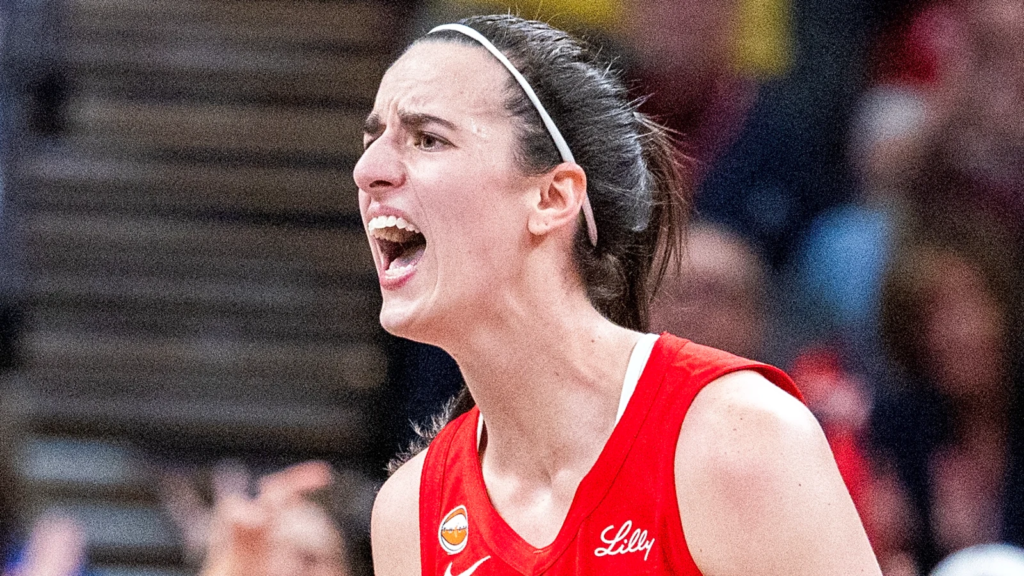
Despite the setbacks she faced, Clark still appears positioned to remain one of the defining stars of women’s basketball. Injuries interrupted an important stage of her career, but they also provided valuable lessons about recovery, conditioning, and professional longevity. Many great athletes experience difficult injury periods before eventually returning stronger and more experienced.
The Fever organization clearly views Clark as the foundation of its future. The team continues building around her leadership, scoring ability, and popularity while also trying to create a more balanced roster capable of reducing pressure on her physically. Improved depth and smarter workload management could help protect her health moving forward.
Clark’s influence extends beyond basketball statistics. She has already transformed media attention surrounding the WNBA and inspired a new generation of fans. Even during her injury recovery, her games remained among the most discussed events in sports media. Her resilience through adversity may ultimately strengthen her legacy because fans witnessed not only her talent but also her determination during difficult moments.
If Clark remains healthy moving forward, she still possesses the skills necessary to become one of the greatest players in WNBA history. Her shooting range, basketball IQ, passing vision, and competitiveness remain elite. The injuries created challenges, but they do not appear likely to define her career permanently.
Final Thoughts on Caitlin Clark’s Injury Journey
The Caitlin Clark injury story became one of the most important narratives in modern women’s basketball because it combined superstar expectations, physical adversity, and the rapid growth of the WNBA. From her quadriceps strain to recurring groin injuries, Clark experienced the toughest stretch of her young professional career while remaining under intense public attention.
Her recovery process highlighted the physical realities of professional basketball and the importance of long-term health management for elite athletes. The Fever organization ultimately prioritized her future by avoiding unnecessary risks and allowing her body the time needed to heal properly. While the 2025 season became frustrating for both Clark and Indiana fans, the experience may prove valuable in helping her build a longer and healthier career.
As Clark continues returning to full strength, excitement surrounding her future remains enormous. Fans across the basketball world continue following every performance and injury update closely, hoping she can stay healthy and continue transforming women’s basketball. If her early comeback performances are any indication, Caitlin Clark still appears ready to remain one of the most influential athletes of her generation.
Leave a Comment