Barchart Live Cattle Prices, Charts & Market Guide
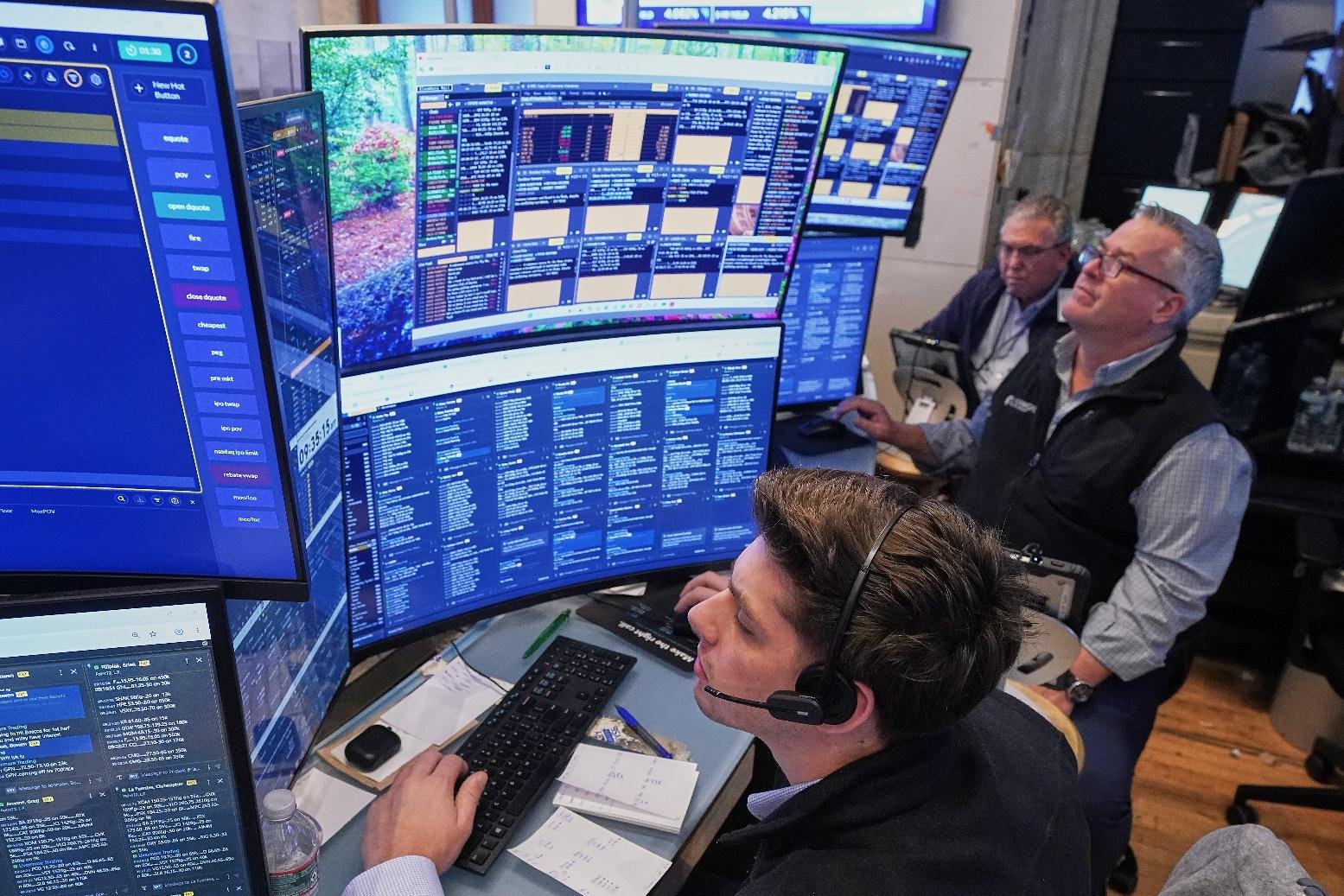
Barchart Live Cattle is a widely used financial data platform that provides real-time updates, technical charts, and market analysis for live cattle futures traded on the CME Group. It is an essential tool for traders, analysts, farmers, and investors who want to understand price movements in one of the most important agricultural commodities in the world. Live cattle prices influence not only the livestock industry but also global food supply chains, beef production costs, and export markets.
The live cattle futures market is highly dynamic because it is influenced by biological production cycles, weather conditions, feed prices, and global demand for beef. Barchart helps simplify this complexity by offering structured, real-time information in a user-friendly format. With charts, indicators, historical data, and news integration, it allows market participants to make informed decisions based on accurate and timely insights.
Understanding Barchart Live Cattle Futures Market
Barchart Live Cattle refers to the real-time tracking of live cattle futures contracts traded on the CME Group. These contracts represent standardized agreements to buy or sell a specific quantity of cattle at a predetermined price on a future date. Prices are quoted in cents per pound and fluctuate continuously based on market expectations.
The futures market plays a critical role in agricultural economics because it allows price discovery and risk management. Ranchers use these contracts to lock in prices and protect against market volatility, while meat processors use them to stabilize input costs. At the same time, speculative traders enter the market to profit from price movements, increasing liquidity and trading activity.
Barchart collects and displays this data in real time, including price changes, trading volume, bid-ask spreads, and contract performance. This allows users to see how market sentiment is evolving throughout the trading day and react quickly to changes.
How CME Live Cattle Futures Contracts Work
Live cattle futures are traded on the Chicago Mercantile Exchange (CME), one of the most important commodity exchanges in the world. Each contract typically represents about 40,000 pounds of live cattle ready for slaughter. This standardization ensures consistency and transparency in pricing.
Most traders do not take physical delivery of cattle. Instead, they buy and sell contracts based on expected price movements. Positions are usually closed before expiration, meaning traders profit or lose based on price differences rather than actual livestock delivery.
Barchart Live Cattle displays multiple contract months, allowing users to analyze both short-term and long-term expectations. The price differences between contracts, known as spreads, often reflect seasonal supply cycles, feed availability, and market demand forecasts.
Importance of Barchart Live Cattle Data for Market Participants
Barchart Live Cattle data is important because it provides real-time visibility into a fast-moving and highly sensitive commodity market. Without accurate and timely data, traders would struggle to make informed decisions in volatile conditions.
One of the most valuable features of Barchart is its advanced charting system. It allows users to analyze price movements across multiple timeframes, from minute-by-minute intraday charts to long-term monthly trends. This flexibility helps traders of all experience levels understand market direction.
The platform also integrates agricultural news, including USDA reports, export updates, and weather forecasts. These external factors often have immediate impacts on cattle prices, making it essential to combine price data with fundamental analysis.
Key Drivers That Influence Live Cattle Prices
Live cattle prices are shaped by a combination of supply-side and demand-side factors. One of the most important supply factors is herd size. When cattle inventories decrease due to drought or high production costs, supply tightens and prices tend to rise.
Feed costs also play a major role in pricing. Corn and soybean meal are primary components of cattle feed. When these inputs become more expensive, production costs increase, often leading to reduced herd expansion and tighter supply conditions in the future.
Demand is equally important in determining price trends. Domestic beef consumption in the United States remains relatively stable, but global demand from countries such as Japan, South Korea, and China significantly influences pricing. Strong export demand typically supports higher cattle futures prices.
Macroeconomic factors such as inflation, fuel costs, and currency fluctuations also impact the market. Since beef production involves transportation, processing, and distribution, rising costs in any part of the supply chain can affect futures pricing.
How to Read Barchart Live Cattle Charts Effectively
Barchart provides detailed charting tools that allow traders to visually analyze live cattle price movements. These charts include candlestick patterns, trend lines, and technical overlays that help identify market structure and momentum.
Short-term traders often focus on intraday charts to capture quick price movements, while long-term traders use weekly or monthly charts to understand broader market trends. This flexibility makes Barchart useful for different trading strategies.
Volume and open interest are important components of chart analysis. Volume shows the number of contracts traded during a specific period, while open interest indicates the total number of active contracts. Rising volume with rising prices often signals strong bullish momentum.
Moving averages are also widely used in analysis. When short-term averages cross above long-term averages, it may indicate a potential upward trend. Conversely, downward crossovers may signal weakening market conditions.
Market Volatility in Live Cattle Futures Trading
The live cattle market is known for its volatility because it is heavily influenced by unpredictable agricultural and environmental conditions. Unlike financial markets, livestock production cannot be adjusted quickly, which leads to supply imbalances.
Weather events such as droughts, floods, and extreme temperatures can significantly impact cattle weight gain and feed availability. These factors directly affect supply levels and can cause sudden price swings in futures markets.
Disease outbreaks or transportation disruptions can also create rapid market reactions. Even early reports or rumors can influence trader behavior, increasing volatility in the short term.
Speculative trading adds another layer of volatility. Hedge funds and institutional investors often take large positions based on macroeconomic expectations, amplifying price movements in both directions.
Role of USDA Reports and Global Market News
USDA reports are one of the most influential sources of information in the live cattle market. These reports provide detailed insights into cattle inventories, slaughter rates, beef production, and export demand.
Barchart Live Cattle integrates these reports into its platform, helping traders quickly interpret their impact. For example, a lower-than-expected cattle inventory report usually signals tighter supply and can lead to higher prices.
Global trade news also plays a major role. Changes in import policies, trade agreements, or international demand shifts can significantly affect U.S. cattle futures prices. Barchart ensures users stay updated in real time so they can react quickly.
Because agricultural markets respond rapidly to new information, news often acts as a catalyst for sharp price movements.
Technical Analysis Tools on Barchart Live Cattle
Technical analysis is widely used by traders to forecast price movements based on historical patterns. Barchart provides tools such as RSI, MACD, moving averages, and trend indicators that help identify potential opportunities.
Support and resistance levels are commonly used to determine entry and exit points. These levels show where price movement may slow down or reverse based on historical behavior.
Chart patterns such as breakouts, consolidations, and reversals help traders understand momentum shifts. A breakout above resistance may signal bullish continuation, while a breakdown below support may indicate bearish pressure.
However, technical analysis is most effective when combined with fundamental data such as USDA reports and supply trends. This combination provides a more reliable trading approach.
Risks and Challenges in Live Cattle Futures Trading
Trading live cattle futures involves significant risk due to leverage and market volatility. Small price changes can result in large financial gains or losses because each contract represents a large quantity of cattle.
Leverage allows traders to control large positions with relatively small capital, but it also increases exposure to risk. Without proper risk management, losses can escalate quickly.
Another major challenge is unpredictability. Weather events, disease outbreaks, and sudden demand changes can reverse trends without warning.
Understanding agricultural cycles is also essential. Traders who lack knowledge of cattle production and feed economics may misinterpret market signals and make incorrect decisions.
Future Outlook of Barchart Live Cattle Market
The future of live cattle trading is becoming increasingly data-driven and technology-focused. Platforms like Barchart continue to evolve with faster updates, improved analytics, and more advanced charting tools.
Artificial intelligence and predictive analytics are expected to play a growing role in forecasting cattle price movements. These technologies can analyze large datasets and identify hidden patterns that traditional methods may miss.
Global demand for beef continues to support long-term market strength. Population growth and changing dietary preferences are expected to sustain demand for protein sources like beef.
Barchart Live Cattle will remain an essential tool for traders and analysts because it provides real-time insights into one of the most important agricultural commodities markets. It helps users interpret volatility, manage risk, and identify trading opportunities in a structured way.
Overall, Barchart Live Cattle is more than just a price-tracking platform. It is a complete market intelligence system that combines live data, technical analysis, and fundamental insights to help users understand and navigate the complex world of livestock futures trading.



Leave a Comment