Nexus AlienSync: Future of AI Data Synchronization
Introduction to Nexus AlienSync
Nexus AlienSync is an emerging concept in the world of advanced digital integration, artificial intelligence ecosystems, and intelligent data synchronization. As businesses increasingly rely on multiple platforms, cloud services, and AI-driven tools, the need for a unified system that can seamlessly connect and synchronize everything has become critical. is often described as a next-generation synchronization framework designed to eliminate fragmentation and create a cohesive digital environment where systems communicate intelligently in real time.
The concept goes beyond traditional data syncing. Instead of simply transferring files or records from one place to another, focuses on aligning context, meaning, and operational logic between systems. This makes it particularly relevant in industries where real-time decision-making, automation, and interoperability are essential. As technology continues to evolve, solutions like Nexus AlienSync represent a shift toward smarter, more connected ecosystems.
Understanding the Core Concept of Nexus AlienSync
At its core, is built around the idea of intelligent synchronization. Traditional systems rely on static integrations, APIs, or periodic updates, which often lead to delays, inconsistencies, and data silos. Nexus AlienSync introduces a dynamic approach where systems are continuously aligned through AI-driven processes that interpret and synchronize data in real time.
The “Nexus” element refers to a central connection point that links multiple systems, while “AlienSync” symbolizes synchronization that goes beyond conventional boundaries, bridging different technologies, formats, and environments. This combination creates a powerful framework that allows diverse systems to function as a unified network rather than isolated components.
This concept is especially important in modern digital infrastructures where organizations use a mix of cloud platforms, edge devices, enterprise software, and AI models. Without a system like Nexus AlienSync, managing communication between these components becomes increasingly complex and inefficient.
How Nexus AlienSync Works in Modern Systems
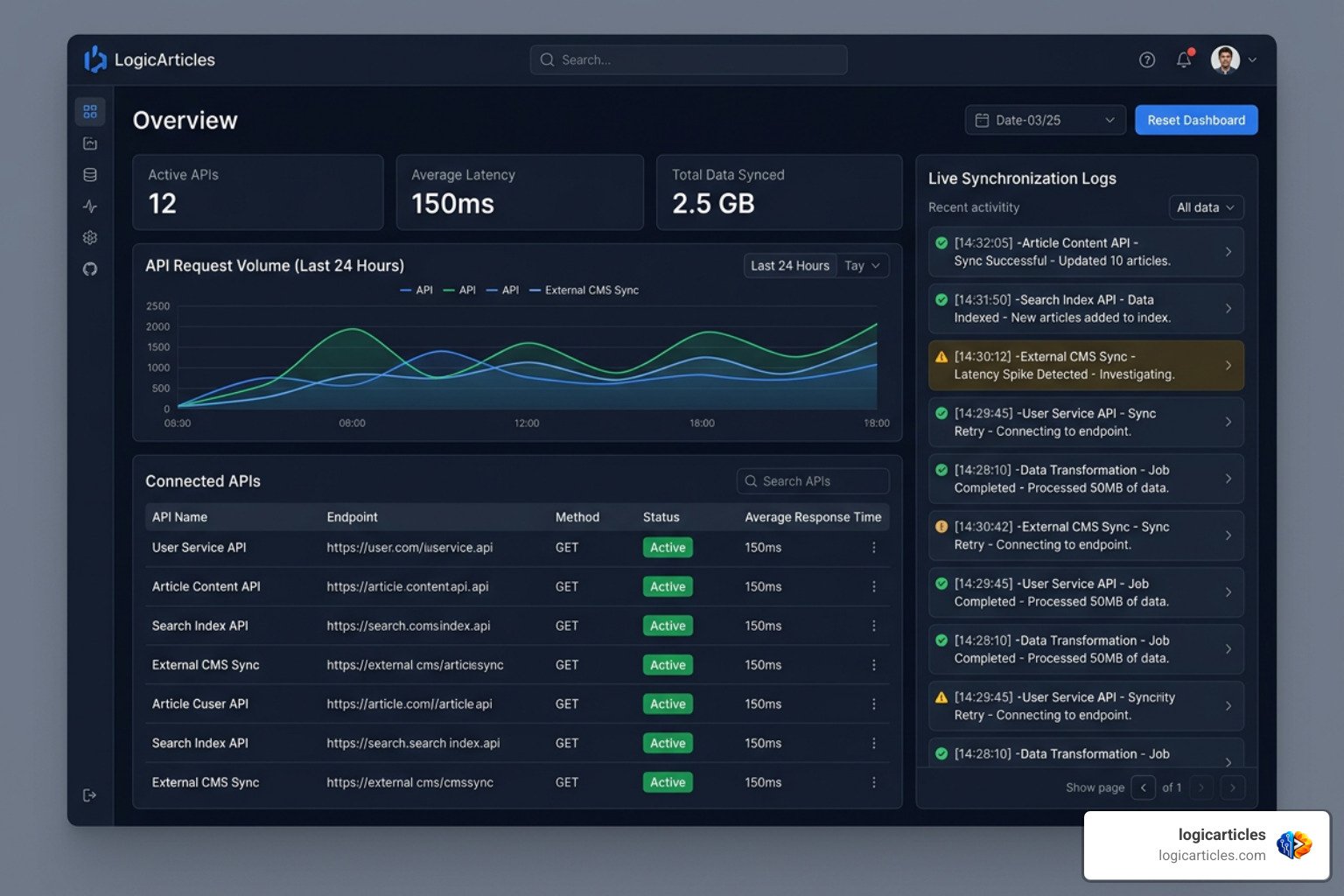
Nexus AlienSync operates through a multi-layered architecture that combines data pipelines, AI-based translation engines, and orchestration layers. The system continuously monitors connected platforms, capturing data changes and ensuring that updates are synchronized instantly across all environments.
One of its most important mechanisms is intelligent data translation. Different systems often use different formats, protocols, and structures, which can create compatibility issues. Nexus AlienSync uses AI to interpret these differences and convert data into a universally understandable format, ensuring smooth communication between systems.
Another critical component is real-time orchestration. Instead of waiting for scheduled updates, the platform actively manages workflows, triggering actions and updates as soon as changes occur. This allows organizations to respond quickly to new information and maintain consistency across all systems.
Key Features and Capabilities of Nexus AlienSync offers a range of advanced features that make it a powerful solution for modern digital environments. One of its most notable capabilities is cross-platform integration, allowing it to connect cloud services, IoT devices, enterprise applications, and edge computing systems into a single network.
Real-time synchronization is another defining feature. Unlike traditional batch processing systems, Nexus AlienSync ensures continuous data flow, reducing latency and improving responsiveness. This is particularly important in industries where timing and accuracy are critical, such as finance, healthcare, and logistics.
The platform also emphasizes security and scalability. With built-in encryption, monitoring tools, and automated error detection, Nexus AlienSync ensures that data remains protected while maintaining high performance. Its scalable architecture allows it to grow with organizational needs, making it suitable for both small businesses and large enterprises.
Benefits of Implementing Nexus AlienSync
One of the primary benefits of Nexus AlienSync is improved operational efficiency. By automating data synchronization and integration processes, it reduces the need for manual intervention and minimizes the risk of errors. This leads to faster workflows and better resource utilization.
Another significant advantage is enhanced interoperability. Organizations often struggle with integrating different systems, especially when they use incompatible technologies. Nexus AlienSync simplifies this process by providing a unified framework that allows systems to communicate seamlessly.
The platform also supports better decision-making. With real-time data synchronization and AI-driven insights, businesses can access accurate and up-to-date information at all times. This enables them to make informed decisions quickly, giving them a competitive edge in fast-paced markets.
Real-World Applications of Nexus AlienSync
Nexus AlienSync has the potential to transform multiple industries by enabling seamless integration and intelligent synchronization. In healthcare, it can connect electronic health records, wearable devices, and diagnostic tools, allowing for more accurate and timely patient care.
In smart cities, the platform can unify traffic management systems, energy grids, and public safety infrastructure. By synchronizing these systems, cities can optimize resource usage and respond more effectively to emergencies, improving overall efficiency and sustainability.
In the business world, can streamline operations by connecting different departments and systems. From supply chain management to customer relationship management, organizations can benefit from improved coordination and data-driven insights.
Role of Nexus AlienSync in AI and Automation
Artificial intelligence is becoming a central component of modern technology, and Nexus AlienSync plays a crucial role in enabling AI ecosystems. By connecting different AI models and data sources, it allows them to share information and work together more effectively.
This interconnected approach enhances the capabilities of AI systems, enabling them to learn from each other and adapt to new situations. Instead of operating in isolation, AI tools can collaborate, creating a more intelligent and responsive system. also supports automation by enabling seamless workflow management. With real-time synchronization and orchestration, tasks can be automated across multiple systems, reducing manual effort and increasing efficiency.
Challenges and Limitations of Nexus AlienSync
Despite its many advantages, Nexus AlienSync is not without challenges. One of the main concerns is implementation complexity. Setting up such a sophisticated system requires technical expertise, careful planning, and significant resources.
Security is another important consideration. While the platform includes advanced security features, connecting multiple systems increases the potential attack surface. Organizations must ensure that proper security measures are in place to protect sensitive data.
There is also the issue of standardization. As Nexus AlienSync is still an emerging concept, there are no universal standards governing its implemen Nexus AlienSynctation. This can create inconsistencies and make adoption more challenging for some organizations.
Future Trends and Evolution of Nexus AlienSync

The future of Nexus AlienSync is closely tied to advancements in artificial intelligence, cloud computing, and the Internet of Things. As these technologies continue to evolve, the demand for integrated and intelligent systems will only increase.
One potential development is the integration of more advanced AI capabilities, such as predictive analytics and autonomous decision-making. Nexus AlienSync This could further enhance the platform’s ability to optimize workflows and improve efficiency.
Another trend is the expansion of edge computing, which will require more sophisticated synchronization solutions. is well-positioned to address this need, providing real-time integration between cloud and edge environments.
ConclusionNexus AlienSync
Nexus AlienSync represents a significant step forward in the evolution of digital integration and synchronization technologies. By enabling seamless communication between systems, it addresses one of the most pressing challenges in modern computing: fragmentation. Nexus AlienSync
With its advanced features, real-time capabilities, and potential applications across various industries, Nexus AlienSync has the potential to transform how organizations operate. While there are challenges to overcome, its benefits make it a promising solution for the future.
As businesses continue to adopt AI, automation, and interconnected technologies, the importance of platforms like will only grow. It stands as a powerful example of how innovation can drive efficiency, collaboration, and smarter decision-making in the digital age.


Leave a Comment