XRP Price Prediction
XRP remains one of the most recognized cryptocurrencies in the digital asset market. Created to support fast and affordable cross-border transactions, XRP has attracted investors, traders, financial institutions, and blockchain enthusiasts since its launch. While many cryptocurrencies focus primarily on decentralized finance or store-of-value applications, XRP was designed to solve real-world payment challenges. This unique purpose has allowed it to maintain a strong position among the largest cryptocurrencies despite years of market volatility and regulatory uncertainty.
Interest in XRP price prediction continues to grow as investors search for cryptocurrencies with long-term utility and institutional adoption potential. Ripple, the company closely associated with XRP, has spent years developing payment solutions that connect banks, payment providers, and financial institutions around the world. The combination of blockchain technology, growing adoption, and increasing regulatory clarity has fueled discussions about XRP’s future value.
The cryptocurrency market has matured significantly over the past decade. Institutional investors now play a larger role, governments are developing clearer regulations, and blockchain technology is becoming more integrated into global financial systems. These developments have created new opportunities for XRP while also introducing new challenges. Understanding XRP’s potential requires examining its technology, adoption, market position, competition, and long-term growth prospects.
What Is XRP and How Does It Work?
XRP is the native digital asset of the XRP Ledger, an open-source blockchain network designed to facilitate fast and efficient transactions. Unlike Bitcoin, which relies on energy-intensive mining, XRP uses a consensus protocol that validates transactions quickly while consuming minimal energy. This design allows transactions to settle within seconds, making XRP one of the fastest cryptocurrencies available.
The XRP Ledger was created with the goal of improving international payments. Traditional cross-border transactions often require multiple intermediaries, resulting in delays, higher fees, and inefficiencies. XRP acts as a bridge currency that enables institutions to transfer value between different currencies quickly and cost-effectively. This capability has positioned XRP as a potential solution for modernizing global financial infrastructure.
One of XRP’s key advantages is scalability. The network can process thousands of transactions per second, significantly more than many older blockchain systems. This efficiency has helped XRP gain attention from banks, payment processors, and financial technology companies seeking alternatives to traditional payment networks.
The History of XRP and Ripple
The story of XRP began in 2012 when Ripple Labs introduced a vision for transforming global payments through blockchain technology. While Bitcoin focused on decentralization and peer-to-peer transactions, Ripple pursued partnerships with financial institutions and enterprises. This strategy differentiated XRP from many other cryptocurrencies and helped establish its unique identity within the market.
Over the years, Ripple expanded its network by collaborating with banks, payment providers, and financial companies across various countries. These partnerships demonstrated how blockchain technology could reduce settlement times and improve liquidity management. As Ripple’s network grew, XRP became increasingly associated with the future of international payments.
However, XRP’s journey has not been without challenges. Regulatory concerns and legal disputes created uncertainty that affected investor sentiment and market performance. Despite these obstacles, XRP remained among the most actively traded cryptocurrencies, supported by a dedicated community and strong global recognition.
Why XRP Is Different from Other Cryptocurrencies
Many cryptocurrencies derive their value primarily from speculation, but XRP’s appeal largely stems from its practical use case. The cryptocurrency was specifically designed to support financial transactions, making it more utility-focused than many blockchain projects. This distinction often plays a major role in discussions about XRP price prediction and long-term growth potential.
Transaction speed is another important advantage. While traditional international transfers can take several days to settle, XRP transactions are typically completed within seconds. This efficiency reduces costs and improves operational flexibility for organizations handling global payments.
Energy efficiency also contributes to XRP’s attractiveness. As environmental concerns become increasingly important, cryptocurrencies with lower energy consumption may gain greater acceptance among institutions and regulators. XRP’s consensus mechanism provides a more sustainable alternative compared to proof-of-work networks that require significant computational resources.
Factors That Influence XRP Price Prediction
XRP’s price is influenced by numerous factors that interact with one another. Market sentiment remains one of the strongest drivers of short-term price movements. Positive news regarding adoption, partnerships, or regulatory developments can lead to increased buying activity, while negative developments often trigger market corrections.
The broader cryptocurrency market also has a substantial impact on XRP. Bitcoin frequently acts as a market leader, influencing investor sentiment across the entire digital asset ecosystem. During bullish market cycles, XRP often benefits from increased capital inflows and heightened investor enthusiasm.
Institutional adoption represents another critical factor. As more financial institutions explore blockchain-based payment solutions, demand for XRP could potentially increase. Investors closely monitor Ripple’s partnerships, technological developments, and ecosystem growth when evaluating future price prospects.
Macroeconomic conditions can also affect XRP’s performance. Interest rates, inflation trends, global liquidity, and economic growth all influence investor behavior. In periods of strong economic confidence, risk assets such as cryptocurrencies often experience greater demand.
Ripple’s Legal Challenges and Regulatory Impact
Regulatory developments have played a significant role in shaping XRP’s market performance. The legal dispute between Ripple and the U.S. Securities and Exchange Commission became one of the most closely watched cases in cryptocurrency history. The outcome of regulatory decisions has implications not only for XRP but also for the broader digital asset industry.
Regulatory clarity is particularly important because institutional investors often require legal certainty before allocating substantial capital. As governments around the world continue developing cryptocurrency regulations, XRP’s future adoption may depend partly on how policymakers classify and regulate digital assets.
Many analysts believe that improved regulatory certainty could encourage broader participation from financial institutions and investment firms. Greater confidence among institutional participants may increase liquidity, strengthen adoption, and contribute positively to XRP’s long-term outlook.
The regulatory environment remains dynamic, and future developments will continue influencing XRP’s valuation. Investors should remain aware of legal changes and policy updates that could affect cryptocurrency markets.
XRP Adoption in Global Payments
Ripple’s focus on real-world utility remains one of the strongest arguments supporting bullish XRP forecasts. Cross-border payments represent a multi-trillion-dollar industry that continues to face inefficiencies, delays, and high transaction costs. XRP aims to address these challenges by enabling near-instant settlement and reducing reliance on intermediary institutions.
As businesses become increasingly global, XRP Price Prediction demand for efficient international payment systems continues to grow. Ripple’s payment technology offers a compelling alternative to traditional banking networks that often require multiple intermediaries to complete transactions.
Financial institutions evaluating blockchain technology frequently prioritize speed, cost savings, and scalability. XRP’s ability to process transactions quickly and efficiently makes it a candidate for supporting modern payment infrastructure. Continued adoption within this sector could significantly influence XRP’s long-term value.
Beyond banking, the XRP Ledger supports additional applications including tokenization, decentralized finance initiatives, and digital asset management. These expanding use cases may contribute to ecosystem growth and increase overall network activity. XRP Price Prediction
Technical Analysis and Market Trends
Technical analysis remains a popular tool among traders seeking to forecast XRP price movements. Analysts examine historical price patterns, trading volume, support levels, resistance zones, and momentum indicators to identify potential market trends. XRP Price Prediction
XRP has experienced several major bull and bear cycles throughout its history. During periods of strong market optimism, prices have risen rapidly as investors anticipated increased adoption and favorable market conditions. Conversely, bearish market phases have led to significant corrections, highlighting the inherent volatility of cryptocurrency markets. XRP Price Prediction
Trading volume often provides valuable insights into market sentiment. Increased volume during upward price movements may indicate growing investor confidence, while declining volume can suggest weakening momentum. Technical analysts frequently combine chart-based observations with fundamental research to create more comprehensive forecasts.
Market psychology also plays a critical role. Fear and greed can drive substantial price fluctuations, particularly in highly speculative markets. XRP Price Prediction Understanding investor behavior remains an important component of evaluating XRP’s future potential.
XRP Price Prediction for 2026 and Beyond
Forecasting cryptocurrency prices involves significant uncertainty, but analysts continue developing projections based on adoption trends, market conditions, and technological progress. Many XRP price prediction models suggest moderate to strong growth potential if adoption continues expanding and regulatory clarity improves.
Bullish scenarios often assume increased institutional participation, broader payment network integration, and stronger investor confidence. XRP Price PredictionUnder favorable conditions, XRP could experience substantial appreciation as demand rises and utility expands across global financial systems.
Moderate forecasts anticipate steady growth driven by gradual adoption and continued ecosystem development. These projections generally assume that XRP maintains its position among leading cryptocurrencies while benefiting from broader blockchain adoption.
Bearish scenarios focus on potential obstacles such as regulatory setbacks, increased competition, economic uncertainty, or slower-than-expected adoption. While these risks should not be ignored, many long-term investors remain optimistic about XRP’s utility-driven value proposition.
Can XRP Reach New All-Time Highs?
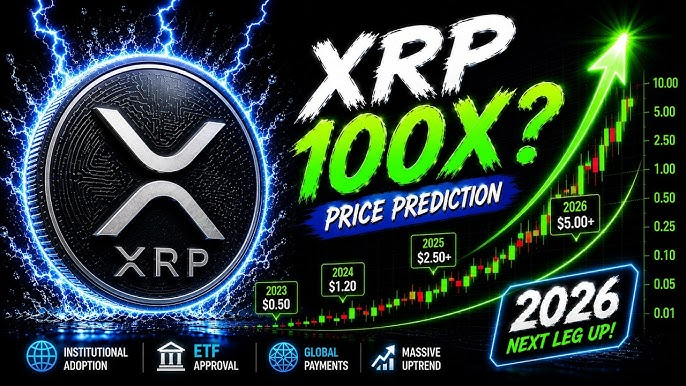
One of the most frequently asked questions among investors is whether XRP can surpass its previous all-time high. The answer depends on a combination of market conditions, adoption rates, institutional demand, and regulatory developments. While past performance does not guarantee future results, several factors support the possibility of future growth.
Increasing adoption remains a key requirement for achieving higher valuations. If Ripple successfully expands its payment network and attracts additional financial institutions, demand for XRP could strengthen over time. Broader blockchain integration across global finance may further support this trend.
Institutional investment products could also influence XRP’s future trajectory. As traditional financial markets become more involved with digital assets, accessibility and liquidity may improve. Greater participation from professional investors often contributes to increased market stability and long-term growth. XRP Price Prediction
However, investors should recognize that achieving new all-time highs would likely require favorable conditions across multiple areas simultaneously. Cryptocurrency markets remain highly competitive and subject to rapid changes.
Is XRP a Good Investment for the Future?
XRP Price Prediction Determining whether XRP is a good investment depends on individual goals, risk tolerance, and market outlook. XRP offers several attractive characteristics, including real-world utility, strong brand recognition, efficient transaction processing, and a growing ecosystem. These factors contribute to its reputation as one of the most established cryptocurrencies in the market.
Long-term investors often focus on XRP’s role in transforming global payments. If blockchain technology becomes increasingly integrated into financial systems, XRP could benefit from growing demand for efficient settlement solutions. Its utility-based approach distinguishes it from many purely speculative digital assets. XRP Price Prediction
At the same time, cryptocurrency investments involve significant risks. Market volatility, regulatory uncertainty, technological competition, and macroeconomic factors can all influence future performance. Investors should conduct thorough research and consider diversification when building a cryptocurrency portfolio.
Ultimately, XRP remains one of the most closely watched digital assets due to its unique combination of utility, adoption potential, and institutional relevance. While no prediction can guarantee future outcomes, XRP continues to occupy an important position within the evolving blockchain and cryptocurrency landscape. As digital finance advances, XRP will likely remain a central topic in discussions about the future of global payments and cryptocurrency investment. XRP Price Prediction


Leave a Comment