Taper Fade Haircut Guide: Types, Styles & Meaning
Introduction: What Is a Taper Fade and Why It Matters in Modern Hairstyles
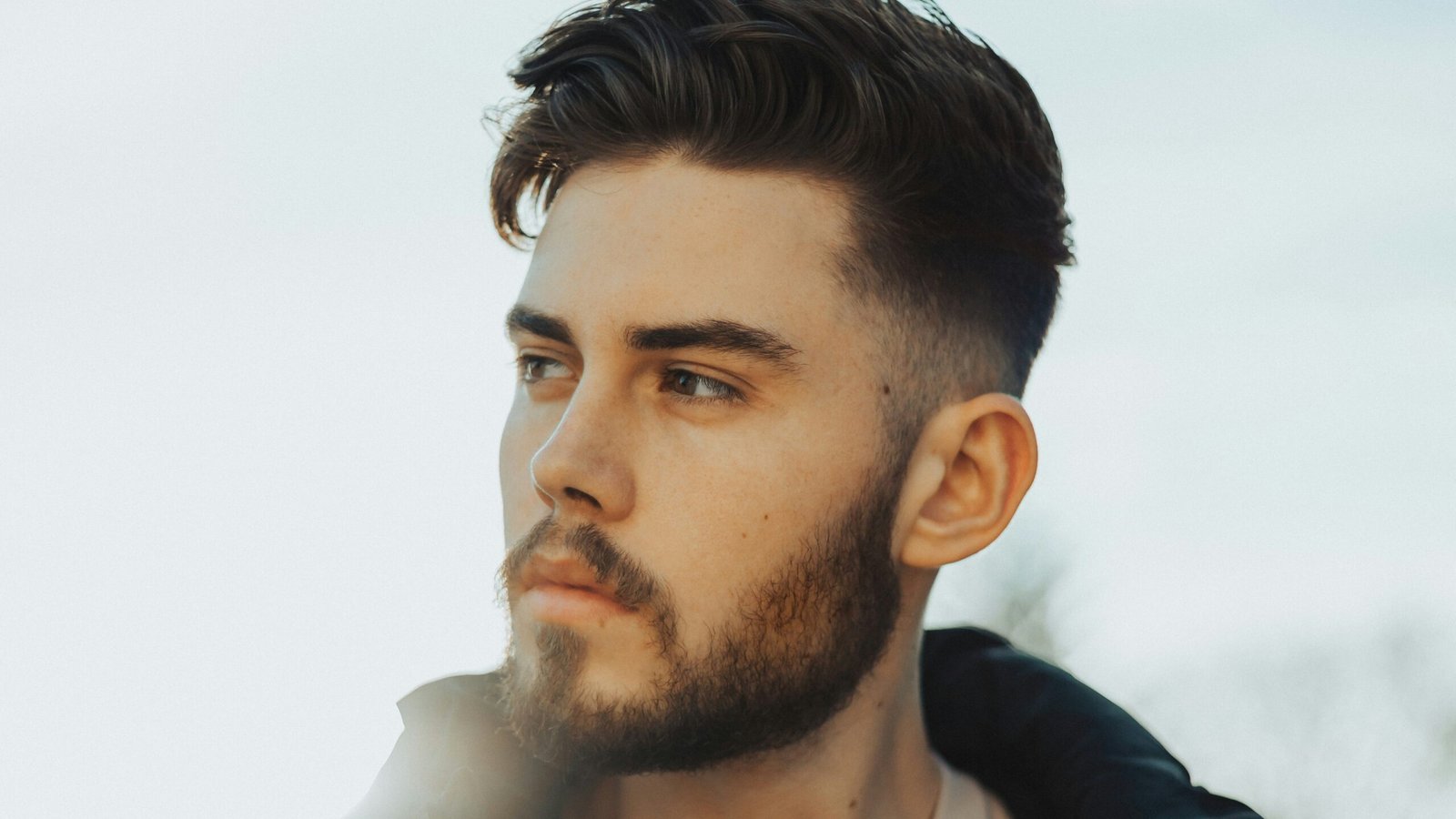
A taper fade is one of the most influential modern men’s hairstyles, widely used in barbershops around the world because of its clean structure and versatility. It blends two classic barbering techniques, the taper and the fade, to create a smooth gradient where hair gradually becomes shorter on the sides and back while staying longer on top. This gives a sharp yet natural look that works for almost every age, profession, and hair type.
In recent years, the has become even more popular due to social media trends, celebrity influence, and the rise of clean grooming culture. taper fade Barbers often consider it a foundation style because it can be combined with many different top hairstyles such as curls, waves, textured crops, and slick backs. Its ability to adapt to both casual and formal settings makes it one of the most requested cuts globally.
Understanding the is important not only for style but also for communication with your barber. Knowing how it works, where it starts, and how it differs from other fades helps ensure you get the exact haircut you want without confusion.
The Meaning of a Taper Fade in Barbering Terms
A taper fade refers to a haircut where the hair gradually decreases in length from the top down toward the neckline and around the ears. The transition is blended so smoothly that there is no harsh line between long and short sections. This seamless change is what gives the haircut its clean and professional appearance.
Barbering experts describe the as a combination of two techniques: a taper, which naturally reduces hair length near the edges, and a fade, which pushes the hair even shorter until it nearly blends into the skin. When these two methods are combined, taper fade the result is a controlled gradient that enhances the shape of the head.
Unlike older traditional cuts that leave strong visible lines, the taper fade focuses on precision blending. This makes it a modern standard in men’s grooming, especially for those who want a sharp but not overly dramatic haircut.
Low Taper Fade: The Subtle and Professional Choice
The low is one of the most natural and subtle versions of this hairstyle. It begins just above the ears and neckline, creating a soft transition that does not remove too much hair from the sides. This makes it ideal for people who want a clean look without a high level of contrast.
This version is especially popular in professional environments because it maintains a conservative appearance while still looking fresh. It works well with longer hairstyles on top such as comb-overs, side parts, and textured waves. Because it grows out naturally, it is also one of the easiest versions to maintain.
Many barbers recommend the low taper fade for first-time clients who are trying fades for the first time. It offers a safe balance between modern styling and traditional grooming, making it suitable for almost all face shapes and hair types.
Mid Taper Fade: The Balanced and Versatile Style
The mid starts around the temple area, which is higher than the low fade but not as dramatic as the high fade. This creates a balanced look that offers both structure and contrast without being too bold. It is widely considered the most versatile version of the taper fade family.
This haircut works well with a wide range of hairstyles because it frames the face evenly. Whether paired with curly hair, straight textured tops, or medium-length styles, the mid taper fade provides a clean outline that enhances the overall shape of the haircut. It is especially popular among younger men who want a modern yet controlled look.
Barbers often describe the mid taper fade as the “perfect middle ground” because it suits almost everyone. It provides enough contrast to look stylish while still maintaining a natural flow that does not require excessive maintenance.
High Taper Fade: The Bold and Sharp Statement Look
The high taper fade begins much higher on the head, usually above the temples. This creates a strong contrast between the longer hair on top and the very short or faded sides. It is a bold style that immediately draws attention and gives a more edgy, modern appearance.
This haircut is often chosen by people who prefer high-impact hairstyles or want to highlight facial structure more clearly. Because more hair is removed from the sides, the top section becomes the main focus, allowing styles like buzz cuts, pompadours, or textured crops to stand out more.
However, the high taper fade requires more frequent maintenance. As the hair grows out quickly, the clean contrast can fade within a short time, meaning regular barber visits are needed to keep it sharp and defined.
Skin Taper Fade vs Classic Taper Fade Differences
A skin taper fade goes further than a regular taper fade by blending the hair all the way down to the skin at the lowest point. This creates a very sharp, high-contrast finish that is common in modern street styles and athletic looks. It gives the haircut a bold and extremely clean appearance.
A classic taper fade, on the other hand, keeps a small amount of hair at the bottom instead of fully exposing the skin. This results in a softer and more natural transition. It is often preferred by people who want a professional look without too much sharp contrast.
The choice between the two depends on personal style and lifestyle. Skin fades are more dramatic and require more upkeep, while classic taper fades offer a more relaxed and longer-lasting appearance.
How Barbers Create a Perfect Taper Fade
Creating a taper fade requires a high level of skill and attention to detail. Barbers typically begin by deciding where the fade will start based on the client’s head shape, hair density, and preferred style. Then they gradually reduce the hair length using different clipper guards to build a smooth gradient.
Blending is the most important part of the process. Barbers carefully remove visible lines and ensure both sides of the head are symmetrical. The neckline and sideburns are shaped last to complete the clean finish. Even small mistakes can affect the overall balance of the haircut, which is why experience is essential.
A well-executed taper fade should look seamless from every angle. It should not show harsh lines or uneven transitions, and it should naturally enhance the client’s facial structure.
Hairstyles That Pair Well With a Taper Fade
One of the biggest strengths of the taper fade is its compatibility with almost every hairstyle. It works perfectly with curly hair, straight hair, wavy textures, and even longer hairstyles. The fade on the sides creates contrast that helps highlight the top section of the hair.
Popular combinations include textured crops, slick backs, quiffs, and messy waves. Because the taper fade keeps the sides clean and structured, it allows the top hairstyle to stand out without looking unbalanced. This makes it one of the most flexible haircut foundations available today.
For many people, the taper fade becomes a long-term style choice because it can be easily adapted as trends change. Only the top needs to be adjusted, while the fade structure remains consistent.
Maintenance, Growth, and Barber Visit Routine
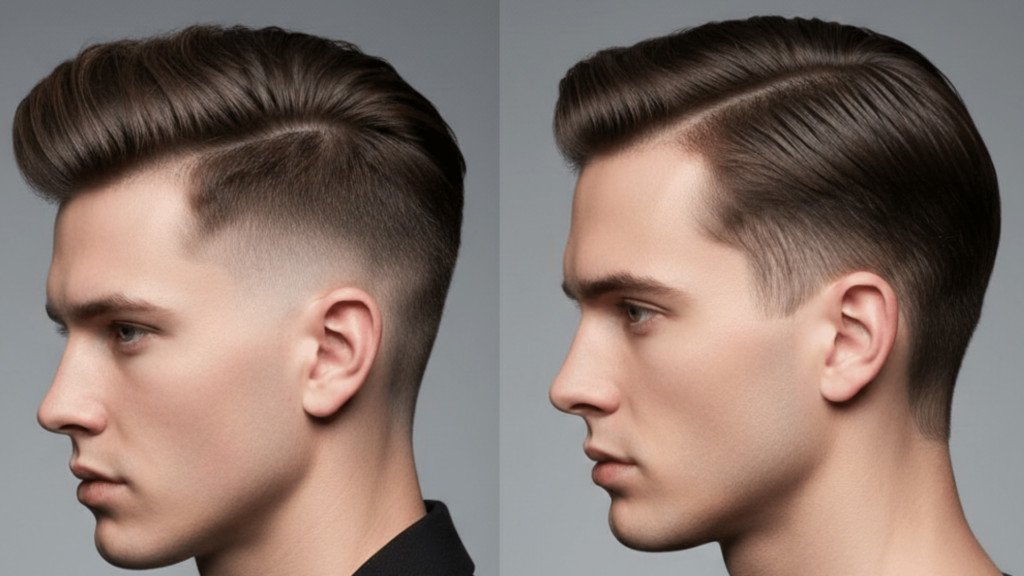
Maintaining a taper fade requires regular upkeep to keep it looking fresh. Since the fade is based on gradual blending, even small hair growth can affect its sharpness. Most barbers recommend a touch-up every two to four weeks depending on how quickly the hair grows.
Daily maintenance is relatively simple. Light styling products can be used to keep the top in place, while regular washing helps maintain a clean scalp and healthy hair texture. Because the fade naturally grows out unevenly, consistent barber visits are the key to preserving its structure.
As it grows out, the taper fade becomes softer and less defined, which some people actually prefer. This natural transition is one reason why it remains such a popular and low-risk hairstyle choice.
Conclusion: Why the Taper Fade Will Never Go Out of Style
The taper fade continues to dominate men’s grooming because it combines precision, versatility, and modern style in a single haircut. It is adaptable to all hair types and works in both professional and casual environments, making it one of the most reliable hairstyles in modern barbering.
Its popularity is also driven by its ability to evolve. Whether low, mid, or high, each version offers a different level of contrast while maintaining the same clean foundation. This flexibility ensures that the taper fade remains relevant across changing fashion trends.
Ultimately, the taper fade is more than just a haircut—it is a grooming standard that reflects attention to detail and personal style.


Leave a Comment