Photeeq Lens Flare Guide: Effects, Uses & Editing Tips
Introduction to Photeeq Lens Flare
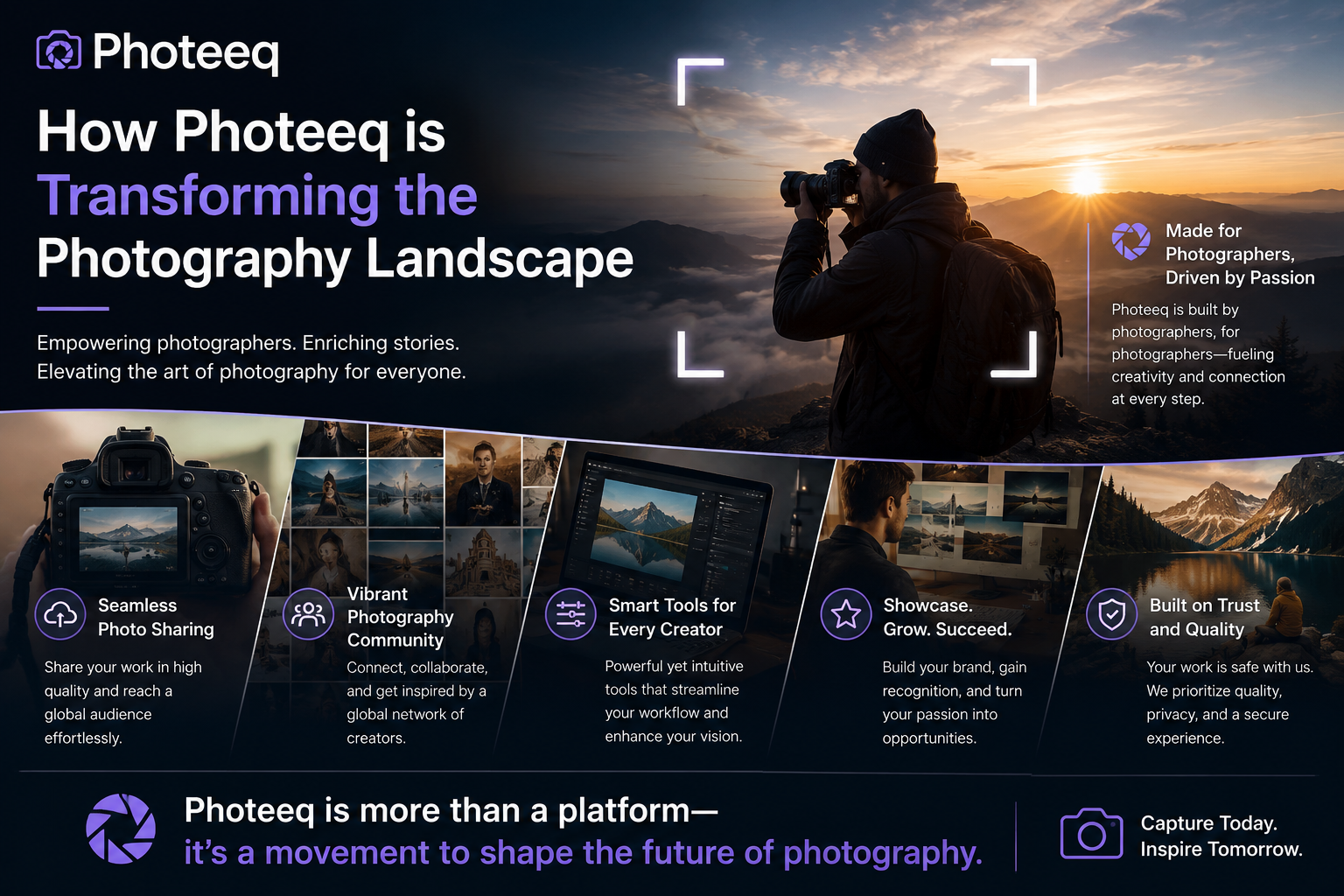
Photeeq lens flare has become a widely discussed topic in the world of digital photography and photo editing. As visual storytelling continues to dominate online platforms, photographers and designers are constantly searching for tools that can enhance lighting and atmosphere. Photeeq lens flare stands out as a creative solution that allows users to simulate realistic light effects without relying entirely on in-camera techniques.
In simple terms, Photeeq lens flare refers to a digital plugin or editing effect that recreates the natural phenomenon of light scattering within a camera lens. This effect produces glowing streaks, soft halos, and artistic reflections that can dramatically change the mood of an image. What was once considered a technical flaw is now widely used as a stylistic element, and Photeeq plays a key role in making this transformation accessible to everyone.
Understanding the Concept of Lens Flare in Photography
Lens flare occurs when a strong light source, such as the sun or artificial lighting, enters the camera lens and reflects internally between its elements. This interaction creates visual artifacts like bright circles, streaks, or a hazy glow that spreads across the image. Traditionally, photographers tried to avoid lens flare because it reduced contrast and interfered with image clarity.
Over time, however, lens flare gained recognition as a powerful artistic tool. Modern photographers began using it intentionally to create emotion, depth, and realism. With tools like Photeeq lens flare, the effect can now be added during post-processing, allowing complete creative control. This shift has made lens flare an essential part of contemporary photography styles, especially in cinematic and lifestyle imagery.
How Photeeq Lens Flare Works in Editing Software
Photeeq lens flare functions as a plugin designed for popular photo editing software such as Adobe Photoshop and Lightroom. It integrates seamlessly into the editing workflow, enabling users to apply flare effects directly onto their images. The plugin simulates how light behaves in real-world lenses, making the final output appear natural rather than artificially imposed.
Users can manipulate various parameters, including brightness, angle, size, and color of the flare. This flexibility ensures that the effect matches the lighting conditions of the original photograph. By adjusting these elements carefully, photographers can create subtle enhancements or dramatic highlights depending on their creative vision. The ability to fine-tune these settings is what makes Photeeq lens flare particularly valuable for professional use.
Key Features That Make Photeeq Lens Flare Popular
One of the defining features of Photeeq lens flare is its realistic rendering of light effects. Unlike simple overlays or filters, it focuses on replicating the physics of light interaction. This results in a more authentic appearance that blends seamlessly with the image. Photographers who prioritize quality and detail often appreciate this level of realism.
Another important feature is its ease of use. Even beginners can quickly learn how to apply and customize lens flare effects without extensive technical knowledge. The interface is designed to be intuitive, allowing users to experiment with different styles and settings. Additionally, the non-destructive editing approach ensures that the original image remains intact, providing flexibility for revisions and adjustments.
Creative Applications of Photeeq Lens Flare
Photeeq lens flare is widely used in various types of photography and digital design projects. In portrait photography, it can add warmth and softness, creating a dreamy or romantic atmosphere. By placing the flare strategically around the subject, photographers can draw attention and enhance the overall composition.
In landscape photography, lens flare helps simulate natural sunlight, making scenes appear more dynamic and immersive. It can transform a simple outdoor shot into a visually striking image with depth and dimension. The effect is also popular in product photography and advertising, where it adds a premium and cinematic feel to visuals, making them more appealing to viewers.
Benefits of Using Photeeq Lens Flare in Modern Photography
One of the major benefits of Photeeq lens flare is its ability to elevate the visual quality of an image. By introducing controlled lighting effects, photographers can enhance mood, highlight key elements, and create a sense of realism. This is particularly important in digital environments where competition for attention is high.
Another advantage is the creative freedom it offers. Instead of relying on perfect lighting conditions during a shoot, photographers can experiment with different effects during post-processing. This flexibility saves time and allows for greater experimentation. It also makes high-quality editing accessible to those who may not have access to advanced equipment or ideal shooting environments.
Common Mistakes to Avoid When Using Lens Flare
While Photeeq lens flare is a powerful tool, improper use can lead to unrealistic or distracting results. One common mistake is overusing the effect, which can overwhelm the image and reduce its overall impact. Subtlety is often key when working with lens flare, as it should enhance the image rather than dominate it.
Another mistake is incorrect placement of the flare. The effect should align with the natural light source in the image to maintain realism. Ignoring this principle can make the edit appear artificial. Understanding basic lighting concepts and practicing with different settings can help users achieve more professional results.
Limitations and Challenges of Photeeq Lens Flare
Despite its many advantages, Photeeq lens flare does have certain limitations. One of the main challenges is compatibility, as older plugins may not work seamlessly with the latest versions of editing software. This can create difficulties for users who rely on updated tools and workflows.
Additionally, achieving realistic results requires a good understanding of light behavior. Beginners may struggle initially to balance intensity, color, and placement. Without careful adjustments, the effect can appear forced or unnatural. However, with practice and attention to detail, these challenges can be overcome, allowing users to fully utilize the tool’s capabilities.
Alternatives and Evolving Tools in Lens Flare Editing
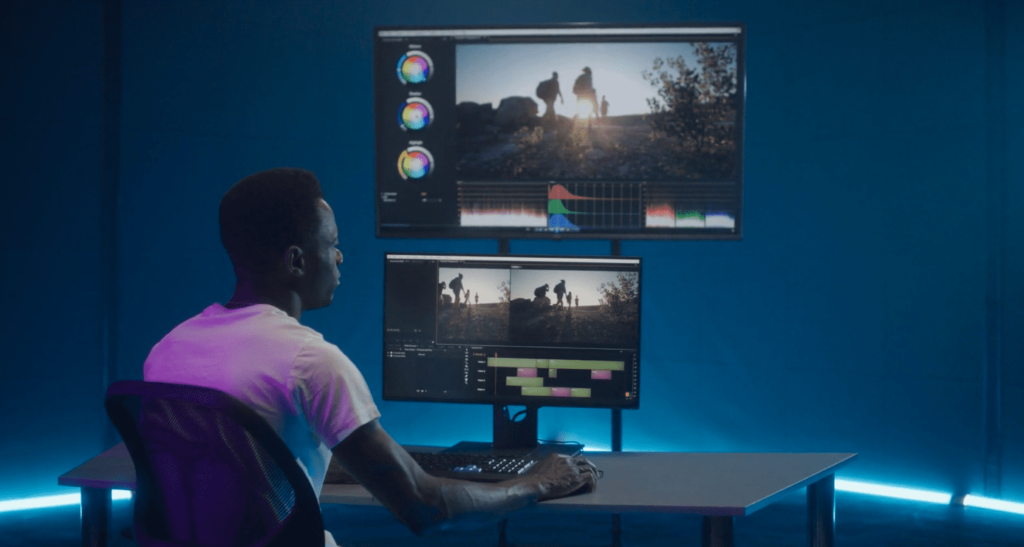
As technology continues to advance, many modern editing tools now offer built-in lens flare effects. These tools often include advanced features such as real-time previews and AI-driven adjustments. While Photeeq lens flare remains a popular choice, exploring newer options can provide additional flexibility and improved performance.
Mobile editing apps and online platforms have also introduced lens flare features, making it easier to edit images on the go. These tools cater to a wider audience, including social media creators and casual photographers. The growing availability of such features highlights the increasing demand for creative lighting effects in digital content.
Future of Photeeq Lens Flare and Digital Lighting Effects
The future of lens flare editing is closely tied to advancements in artificial intelligence and machine learning. These technologies are enabling more precise and realistic simulations of light, making it easier for users to achieve professional-quality results. As software continues to evolve, lens flare effects are likely to become even more sophisticated and accessible.
Photeeq lens flare represents an important step in this ongoing evolution. It has helped redefine how photographers approach lighting and post-processing, turning a once-avoided flaw into a powerful creative tool. As visual storytelling continues to grow in importance, tools that enhance light and atmosphere will remain essential for photographers and designers alike.



Leave a Comment