Stephen Ira Beatty Biography, Family and Activism

Who Is Stephen Ira Beatty?
Stephen Ira Beatty is an American writer, activist, and public figure best known as the son of Hollywood legends Warren Beatty and Annette Bening. Born on January 8, 1992, in Los Angeles, California, Stephen became widely recognized not only because of his famous parents but also because of his openness about being transgender. Over the years, he has emerged as an important voice in conversations surrounding gender identity, LGBTQ rights, and social awareness. His life story has attracted attention from entertainment media, activists, and readers interested in modern discussions about identity and representation.
Growing up in one of Hollywood’s most famous families meant Stephen Ira Beatty lived under constant public curiosity from an early age. However, unlike many celebrity children who enter acting or modeling, Stephen moved toward intellectual and creative pursuits. He developed strong interests in literature, poetry, cultural studies, and activism. Those interests later became central to his public identity. Instead of chasing fame, he focused more on writing and meaningful discussions about transgender experiences and queer culture.
Stephen’s public visibility increased significantly during the early 2010s when he openly discussed his transition and personal journey online. At a time when transgender representation in mainstream media remained limited, his honesty resonated with many people. His willingness to speak publicly helped educate audiences about transgender identity while also encouraging broader conversations about acceptance, family support, and personal freedom. Today, searches for terms such as “Stephen Ira Beatty transgender,” “Stephen Ira Beatty family,” and “Warren Beatty son” continue to attract strong online interest because his story remains culturally relevant.
Stephen Ira Beatty’s Early Life and Childhood
Stephen Ira Beatty was born into a household deeply connected to film, art, and public life. His father, Warren Beatty, is considered one of Hollywood’s most influential actors and filmmakers, while his mother, Annette Bening, is a respected actress with multiple Academy Award nominations. Despite their celebrity status, both parents reportedly tried to give their children a relatively grounded upbringing away from excessive media exposure. Stephen grew up with his siblings in a family environment that valued education, creativity, and independent thinking.
During childhood, Stephen reportedly struggled with questions surrounding identity and self-expression. Like many transgender individuals, he experienced feelings that did not align with societal expectations assigned at birth. While media coverage often sensationalized his story later in life, Stephen himself approached these experiences with intelligence and honesty. His reflections on identity revealed a thoughtful understanding of gender, social roles, and personal authenticity from a relatively young age.
Unlike many celebrity children raised entirely within Hollywood culture, Stephen gravitated toward books, poetry, and political thought rather than entertainment fame. Friends and observers often described him as introspective and intellectually curious. These qualities eventually shaped his future work as a writer and activist. His early experiences also influenced the compassionate and analytical perspective that later became visible in his essays, interviews, and public commentary regarding LGBTQ issues and transgender visibility.
As he entered adolescence, Stephen became more aware of his gender identity and began transitioning during his teenage years. Reports indicate that he started socially and medically transitioning around the age of fourteen. This process eventually became public knowledge, leading to widespread media attention. However, Stephen’s story differed from many celebrity narratives because he consistently emphasized authenticity and personal truth rather than publicity or attention.
Stephen Ira Beatty’s Gender Transition and Public Journey
One of the major reasons Stephen Ira Beatty became widely discussed in public media was his decision to openly discuss his transition as a transgender man. Born as Kathlyn Elizabeth Bening Beatty, Stephen later adopted his current name as part of his transition process. His openness about gender identity came during a period when transgender representation in mainstream entertainment and public conversation was still developing. Because of this timing, his story became especially meaningful to many people searching for relatable transgender voices.
Stephen gained significant attention after posting videos and writings online discussing his experiences with gender identity and transition. In one widely viewed video shared through the WeHappyTrans platform, he spoke candidly about being transgender, queer, and a writer. Rather than presenting his life in a dramatic or sensationalized way, he focused on honesty, complexity, and self-definition. Many viewers appreciated how direct and thoughtful he was while discussing personal experiences that are often misunderstood by the public.
His public discussions also challenged stereotypes about transgender people. Stephen explained that gender identity is deeply personal and cannot always be reduced to simple labels or assumptions. He openly criticized harmful media portrayals and argued that transgender individuals deserve dignity, understanding, and freedom to define themselves on their own terms. These statements helped establish him as more than simply a celebrity child. Instead, he became recognized as an informed advocate speaking thoughtfully about identity and social issues.
At the time Stephen publicly discussed his transition, transgender representation in popular culture was far less common than it is today. Many people first learned about transgender identity through stories like his. Because he came from a highly visible Hollywood family, media outlets around the world covered his journey. While some coverage focused too heavily on celebrity gossip, many journalists and LGBTQ organizations praised his honesty and courage. His openness helped normalize conversations surrounding transgender identity and inspired many young people facing similar experiences.
Relationship With Warren Beatty and Annette Bening
Public fascination with Stephen Ira Beatty often extends to his relationship with his parents. Given Warren Beatty’s status as a Hollywood icon and Annette Bening’s respected acting career, many media outlets speculated about how the family handled Stephen’s transition. Early tabloid stories occasionally suggested tension or confusion within the household, but later interviews painted a much different picture centered on support and acceptance.
Warren Beatty eventually spoke publicly about his son in interviews, offering comments that received widespread praise from LGBTQ communities and media organizations. In a famous interview, Beatty referred to Stephen as “a revolutionary” and described him as his hero. These statements were considered especially meaningful because they came from one of Hollywood’s most recognizable male stars from an older generation. His comments reflected acceptance and pride rather than discomfort or distance.
Annette Bening has also been described as supportive of Stephen throughout his journey. Although the family generally values privacy and avoids excessive public discussion about personal matters, their actions suggested strong family bonds and respect for Stephen’s individuality. Rather than turning his transition into a publicity campaign, the family largely allowed Stephen to control his own narrative and speak for himself.
The support Stephen received from his parents became an important part of broader conversations about transgender youth and family acceptance. LGBTQ advocates often emphasize the emotional importance of supportive families during transition experiences. Stephen’s story demonstrated that acceptance can exist even within highly visible public families facing intense media attention. His relationship with Warren Beatty and Annette Bening also helped challenge assumptions that older generations automatically reject transgender identities.
Stephen Ira Beatty’s Writing and Literary Interests
Although much of the media attention surrounding Stephen Ira Beatty focuses on his family and transgender identity, writing has always remained one of the defining elements of his life. Stephen has frequently described himself as a writer and poet, and his intellectual interests play a major role in how he presents himself publicly. His work often explores themes connected to identity, culture, politics, gender, and social justice.
Stephen became associated with literary and activist spaces connected to transgender and queer communities. He reportedly contributed to discussions and creative projects linked to transgender poetry and independent literary publications. His writing style reflects strong awareness of queer theory, cultural criticism, and contemporary political discussions. Unlike celebrity memoir culture focused mainly on personal drama, Stephen’s voice tends to combine reflection with deeper social analysis.
His interest in literature helped distinguish him from many celebrity children who rely mainly on family fame for public attention. Stephen built credibility through thoughtful commentary and artistic expression rather than entertainment industry networking. Readers interested in LGBTQ literature and transgender storytelling often appreciate the intellectual depth present in his essays and public statements.
Poetry and creative writing also provided Stephen with tools for self-expression and emotional exploration. Like many writers connected to queer literary traditions, he used language to examine identity, belonging, and social expectations. His work reflects both personal experience and broader political awareness, creating a public image centered on creativity and intellect rather than Hollywood glamour.
LGBTQ Activism and Social Advocacy
Stephen Ira Beatty has become widely recognized for his involvement in LGBTQ advocacy and transgender awareness efforts. During the early 2010s, he participated in interviews, campaigns, and public discussions focused on healthcare access, transgender rights, and social equality. His activism emerged during a period when transgender representation remained limited in mainstream conversations, making his visibility especially influential.
One of Stephen’s most notable advocacy efforts involved participation in public campaigns supporting transgender healthcare rights. He worked alongside organizations connected to LGBTQ equality and awareness, helping highlight practical issues affecting transgender communities. Rather than focusing only on symbolic representation, Stephen often emphasized real-world challenges involving healthcare, discrimination, and social misunderstanding.
His activism also included criticism of inaccurate or harmful portrayals of transgender people in entertainment media. Stephen argued that transgender experiences are diverse and cannot be reduced to stereotypes or simplified narratives. He encouraged audiences to listen directly to transgender voices instead of relying on assumptions created by sensationalized media coverage.
Many younger LGBTQ individuals connected strongly with Stephen’s honesty and intellectual approach to activism. Unlike celebrity activism centered mainly on publicity, his advocacy appeared deeply personal and informed by lived experience. He discussed issues with nuance and complexity, helping audiences better understand the emotional and social realities connected to gender identity and transition.
Media Coverage and Public Attention
Because Stephen Ira Beatty belongs to one of Hollywood’s most famous families, media interest in his life has remained strong for years. Early coverage often focused primarily on his transition and celebrity background. Some tabloids treated his story in a sensationalized manner, reflecting the broader media culture surrounding transgender issues during that period. However, over time, coverage gradually became more respectful and informed.
Mainstream news organizations and LGBTQ publications eventually highlighted Stephen’s intelligence, creativity, and activism rather than reducing him solely to headlines about gender transition. Interviews and articles increasingly presented him as a thoughtful cultural voice discussing identity, literature, politics, and representation. This shift reflected broader social changes in how transgender individuals are portrayed within media and public discourse.
Stephen himself has occasionally criticized invasive celebrity journalism and sensationalized reporting. He expressed discomfort with paparazzi culture and argued that transgender people deserve privacy, dignity, and accurate representation. These critiques helped position him as someone interested in meaningful social conversations rather than fame or celebrity branding.
Public interest in Stephen Ira Beatty continues because his story exists at the intersection of several major cultural topics, including transgender visibility, Hollywood celebrity culture, LGBTQ activism, and changing social attitudes. Online searches related to his identity, family background, transition journey, and activism remain common, demonstrating lasting curiosity surrounding his life and influence.
Stephen Ira Beatty’s Influence on Transgender Representation
Stephen Ira Beatty became publicly visible during an important period in conversations about transgender rights and media representation. At the time he openly discussed his identity, openly transgender public figures were still relatively uncommon in mainstream entertainment and news media. His willingness to speak honestly helped many people better understand transgender experiences while also increasing visibility for LGBTQ communities.
Representation matters deeply because public understanding is often shaped by visibility. For many audiences unfamiliar with transgender identity, stories like Stephen’s provided a human and relatable perspective. Instead of abstract political debates, people saw a real individual discussing personal experiences, family relationships, identity struggles, and self-acceptance. This helped reduce stigma and encouraged empathy among broader audiences.
Stephen’s visibility also carried importance because he came from a highly recognizable Hollywood family. His story demonstrated that transgender identities exist across all social classes, professions, and backgrounds. The fact that Warren Beatty and Annette Bening publicly supported their son further influenced public conversations about acceptance and family relationships.
Many younger transgender individuals found encouragement in Stephen’s openness. During the early stages of increased transgender visibility, representation remained limited compared with today. Public figures like Stephen contributed to cultural progress by helping normalize discussions surrounding transition, gender identity, and LGBTQ rights. His influence continues through archived interviews, writings, and online discussions that remain widely shared across digital platforms.
Personal Identity Beyond Celebrity Culture
Although public discussions often describe Stephen Ira Beatty primarily through his connection to Hollywood fame, his personal identity extends far beyond celebrity culture. Throughout interviews and writings, Stephen has emphasized individuality, intellectual exploration, and authenticity rather than fame or entertainment industry success. He consistently resisted being reduced to a simple celebrity narrative.
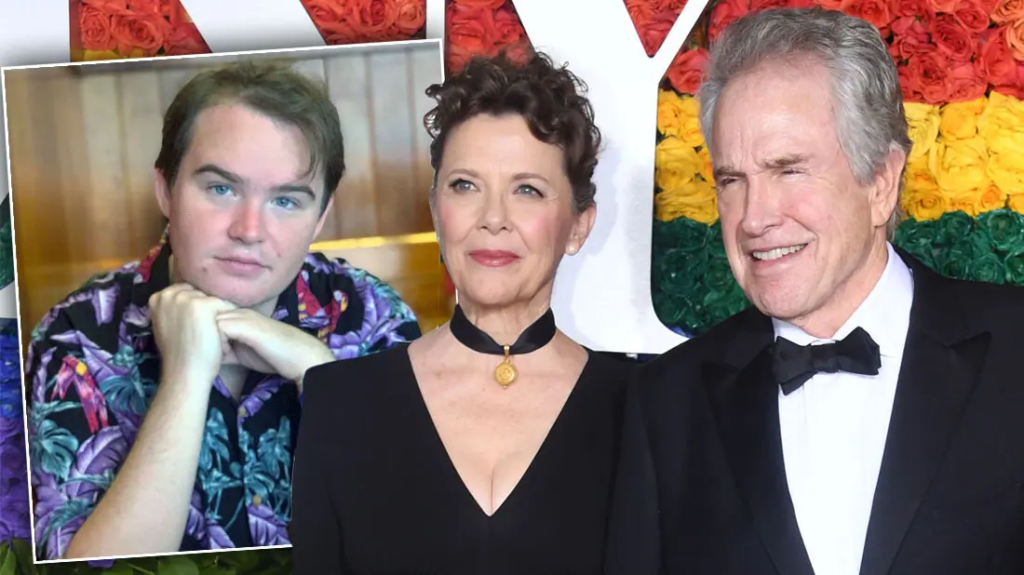
Stephen’s approach to public life differs significantly from many celebrity children who actively pursue mainstream fame. Instead of building a traditional entertainment career, he focused more on literature, activism, and social commentary. This choice reflects his independent personality and desire to define himself according to personal values rather than public expectations.
His discussions about identity often highlight the complexity of human experience. Stephen has spoken about being transgender, queer, creative, and politically aware while rejecting narrow labels or simplistic explanations. This complexity made him especially respected within intellectual and activist communities interested in nuanced discussions about gender and culture.
Over time, Stephen Ira Beatty became known not just as Warren Beatty’s son but as an individual with his own perspective and voice. His willingness to prioritize authenticity over celebrity branding helped create a public image centered on honesty, intelligence, and meaningful self-expression.
Stephen Ira Beatty’s Lasting Legacy and Cultural Importance
Stephen Ira Beatty’s story continues to hold cultural importance because it reflects larger social transformations involving identity, representation, and acceptance. His openness about being transgender helped increase visibility during a time when mainstream understanding remained limited. By speaking publicly and honestly, he contributed to conversations that have since become central to discussions about LGBTQ rights and equality.
His influence extends beyond celebrity news because he approached public attention thoughtfully and intellectually. Rather than using fame simply for visibility, Stephen focused on meaningful discussions surrounding gender, media representation, healthcare, and social justice. His activism and writing encouraged audiences to think more deeply about identity and the importance of empathy.
The support he received from Warren Beatty and Annette Bening also carried lasting significance. Their public acceptance challenged stereotypes about generational attitudes toward transgender individuals and highlighted the importance of family support. For many families navigating similar experiences, Stephen’s story offered a visible example of understanding and acceptance.
Today, Stephen Ira Beatty remains an important figure within discussions about transgender visibility and LGBTQ representation in modern culture. His combination of activism, creativity, intellectual depth, and honesty helped create a lasting impact that extends well beyond Hollywood headlines. As conversations surrounding gender identity continue evolving worldwide, his story remains relevant to readers interested in authenticity, representation, and cultural change.


Leave a Comment